Every time an airline introduces a fee for overhead locker space, the internet loses its collective mind. Commentators shriek about nickel-and-diming, passengers draft angry manifestos, and social media feeds fill with melodramatic predictions about the death of civil aviation. The lazy consensus is uniform: airlines are greedy villains inventing new ways to squeeze every last dollar out of exhausted travelers.
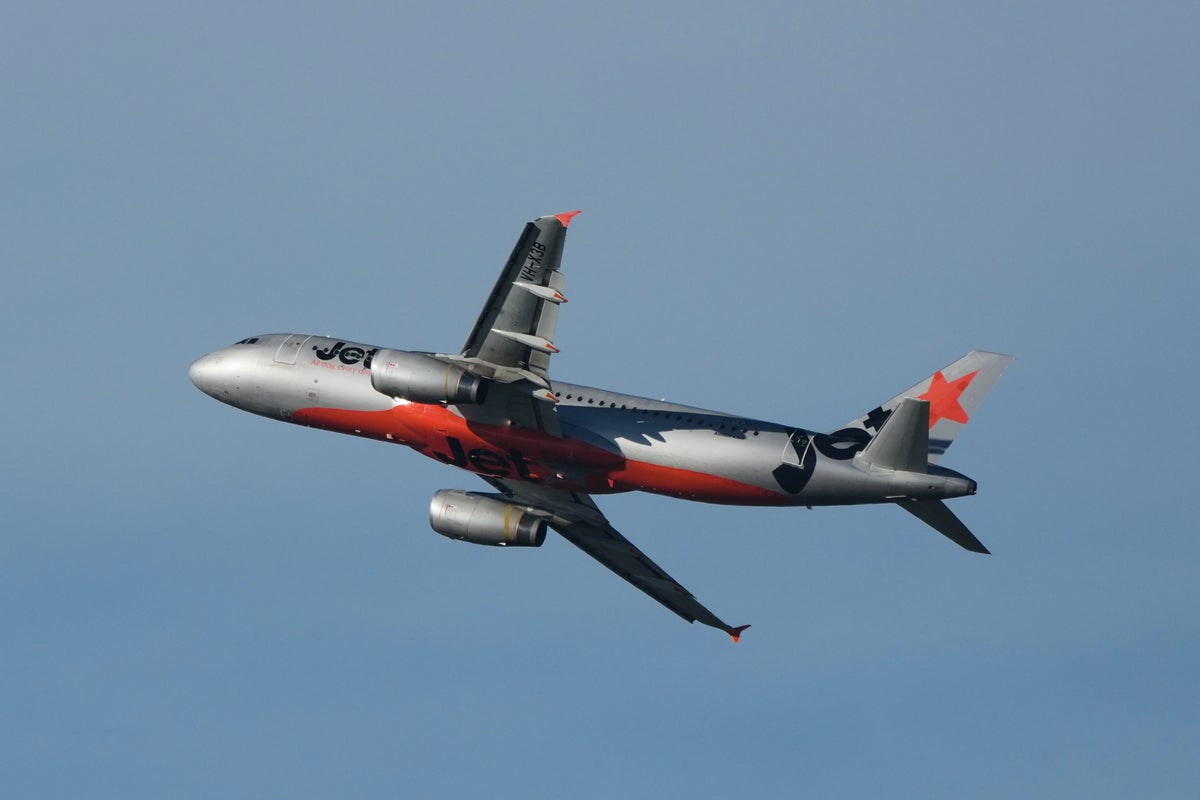
When Jetstar shifts toward charging passengers for overhead storage, the predictable outrage machine grinds into gear instantly. Everyone assumes it is a tax on travel, a predatory cash grab designed to penalize people for packing a change of clothes.
They are dead wrong.
I have spent years watching airlines grapple with terminal gridlock, delayed departures, and the physics of metal tubes hurtling through the stratosphere. I have seen carriers blow millions trying to redesign boarding gates, restructure loyalty tiers, and implement rigid bag-sizing frames—all to fix a bottleneck of our own making.
Charging for overhead bin space is not an act of corporate malice. It is a long-overdue masterclass in operational economics. It is the only rational solution to a crisis born entirely of passenger entitlement.
The Physics of Passenger Selfishness
Let us look at the mechanics of modern boarding. A narrow-body aircraft features a finite amount of overhead real estate. It is a zero-sum game dictated by the fuselage dimensions of an Airbus or Boeing jet.
Yet, for the past decade, passengers have treated those bins as an infinite storage unit for their entire worldly possessions. They roll up to the gate dragging oversized wheelies, bulging backpacks, and oversized duffels, fully expecting to claim overhead territory for free.
The result is predictable chaos. Boarding slows to a glacial crawl because thirty people are simultaneously trying to cram hard-shell suitcases into soft-storage lockers while fifty more people block the aisle waiting to get past. Every minute an aircraft sits stationary at the gate costs money, disrupts the schedule, and cascades into rolling delays across the entire network.
Airlines tried gentle persuasion. They introduced priority boarding groups, polite announcements, and gate agents wielding sizing boxes like medieval instruments. None of it worked. Human nature dictates that if something is free and scarce, everyone will rush to grab it, regardless of whether they actually need it.
When you make overhead bin space a paid commodity, behavior shifts overnight.
The Economics of Frictionless Boarding
Economics teaches us that price is a signal of scarcity. When overhead storage was bundled into the base ticket price, its marginal cost to the passenger was zero. Consequently, people treated it as worthless, using it for convenience rather than necessity.
By unbundling the service, Jetstar is doing something brilliant: they are assigning a true cost to spatial efficiency.
Imagine a scenario where a flight boards in ten minutes instead of forty. The time savings alone reduce airline operational costs, lower fuel burn during ground idling, and drastically improve on-time performance. Punctuality is the ultimate currency in low-cost aviation. When planes fly on time, airlines can run higher daily aircraft utilization rates, which keeps base fares low for everyone.
The traveler who packs light—the person carrying a compact under-seat bag—is no longer subsidizing the luggage habits of the packing-obsessed tourist who brings a week-long wardrobe for a three-day weekend.
Transparency in pricing forces accountability. If you want to bring a massive roller bag that eats up bin space meant for three other people, you should pay for the privilege of monopolizing shared infrastructure.
Dismantling The Anti-Consumer Myth
The loudest counter-argument claims this policy hurts budget travelers. This argument crumbles under basic scrutiny.
Low-cost carriers exist to provide unbundled transportation. You pay for the seat, and you pay for extras. If you want food, you buy food. If you want a window seat, you pay for selection. Overhead storage is no different from checked luggage or extra legroom. It is an optional amenity.
When critics cry foul, they are usually mourning the loss of a loophole. They want the luxury of a full-service baggage allowance wrapped inside a rock-bottom base fare. You cannot defy the laws of financial gravity. If airlines are forced to include unlimited overhead storage in every 50-dollar ticket, those costs will simply be baked into the base fare for every single passenger—penalizing the minimalist traveler who only carries a laptop bag.
I have seen companies blow millions on trying to appease every demographic with blanket pricing strategies, only to watch their margins evaporate. Unbundling works because it aligns cost with consumption.
The Uncomfortable Downsides
To maintain intellectual honesty, I must admit the pitfalls of this approach. Aggressive unbundling requires flawless execution at the gate. If ground staff bungle the enforcement or if the software glitches during booking, customer friction spikes dramatically.
There is also the risk of gate-side logjam if passengers attempt to game the system by stuffing illegal dimensions into under-seat compartments, creating a different kind of boarding chaos.
Airlines must invest in clear communication and rigorous, predictable gate processes to make this work. If the rules feel arbitrary or predatory due to poor training, brand trust erodes.
Yet, these are execution risks, not structural flaws. The underlying economic logic remains bulletproof.
How To Beat The System
If you refuse to play the game of paying extra fees, stop complaining about the rules and change your strategy. The era of effortless, sprawling carry-on luggage is dead.
Adaptation is the only survival mechanism in modern travel.
- Master the One-Bag Life: Ditch the roller bag entirely. Transition to a high-capacity, structured backpack that slips effortlessly under the seat in front of you.
- Audit Your Packing: You do not need five pairs of shoes for a weekend trip. Wash clothes in the sink or pack versatile layers.
- Reframe Your Costs: Factor ancillary fees into your initial flight comparison. A budget ticket plus a paid overhead bag is often still cheaper than a legacy carrier's base fare.
Stop wishing for a past that is never coming back. Aviation is tightening its tolerances, and the passengers who thrive are the ones who travel light, pay attention to the math, and stop expecting something for nothing.