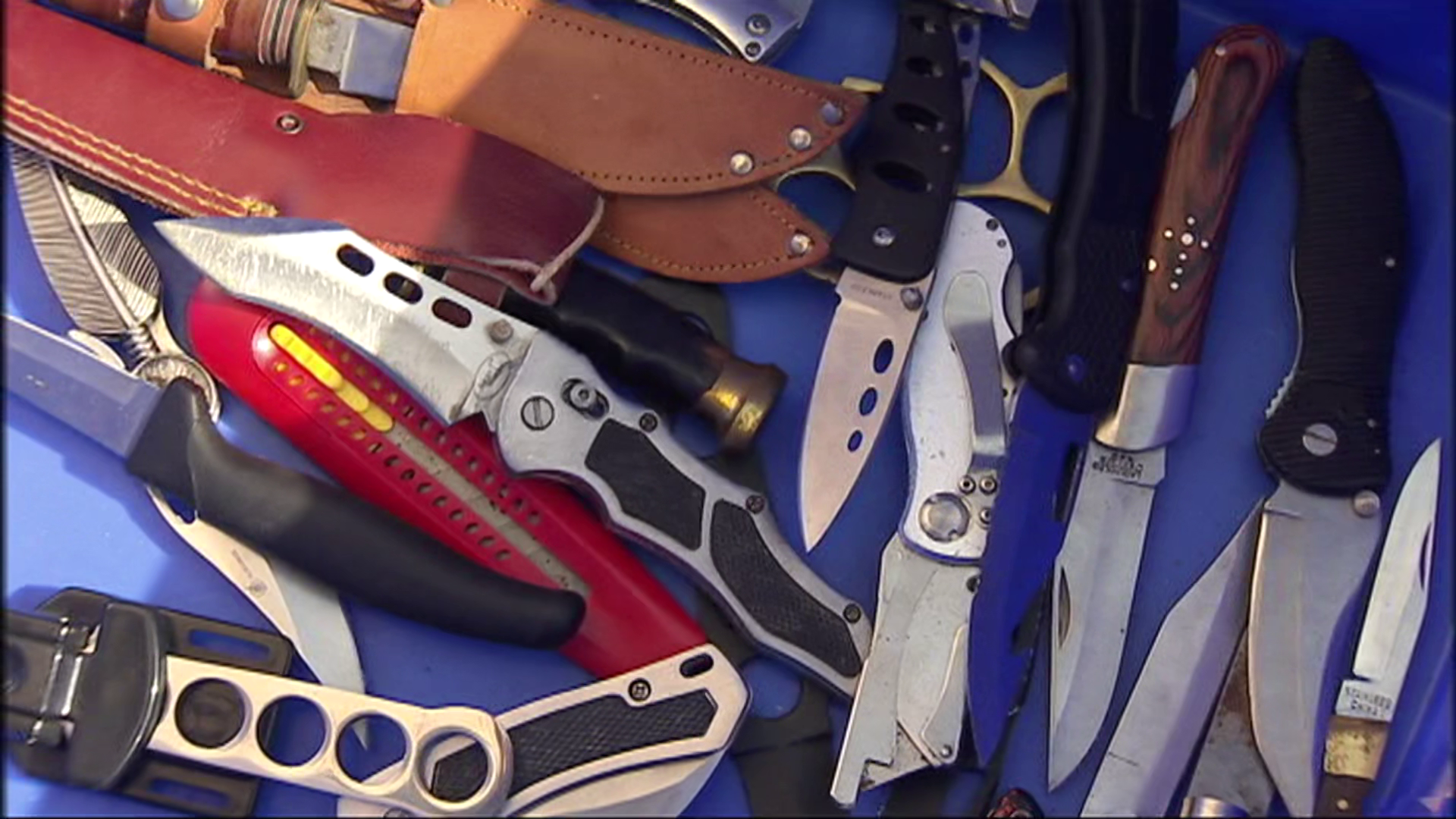
Don't believe every headline that says the streets are suddenly safe, but the latest numbers are hard to ignore. For the first time in years, the data suggests we're turning a corner. According to the Office for National Statistics (ONS), offences involving knives or sharp instruments dropped by 10% in the year ending December 2025. We're looking at 49,151 recorded incidents compared to over 54,000 the year before.
It's a massive shift. For anyone who's lived through the constant cycle of news reports about stabbings in London, Birmingham, or Manchester, this feels different. But stats are slippery things. You've got to look at what's actually driving the drop and whether it's a permanent change or just a temporary blip in the system.
The numbers behind the 10 percent drop
The 10% fall isn't just a London thing. The ONS data shows that these decreases happened across almost every region in England and Wales. This suggests that whatever is working, it's not just a localized police crack-down in the capital.
Homicides involving a knife also saw a significant dip. When you look at the human cost, that's the figure that matters most. Knife-enabled robberies, which usually make up a huge chunk of these stats, fell by 10% nationally as well. In some areas, like the West Midlands, that drop was nearly 30%.
Why is this happening now? It’s not just luck. We’re seeing the result of a massive surge in knife surrender schemes and the first phase of "Ronan’s Law." Last summer, the government banned ninja swords and launched an amnesty that took over 7,500 weapons off the streets before the ban even kicked in. Total removals topped 60,000 knives in a single year. That’s a lot of metal that can’t be used in an alleyway or outside a pub.
It is not just about more police on corners
The old way of thinking was that more "bobbies on the beat" solved everything. It helps, sure, but the 2025-2026 strategy has shifted toward what experts call a public health approach. This means treating violence like an infectious disease. You don't just punish the person who's "sick"; you try to stop the spread.
The introduction of Young Futures Hubs and specialized Violence Reduction Units (VRUs) has changed the game. These units bring together teachers, health workers, and police to identify kids at risk before they ever pick up a blade. It's about upstream intervention. If you can fix the reason a 14-year-old feels the need to carry a knife—whether it's fear, gang pressure, or lack of a future—the stats take care of themselves.
We’ve also seen "hotspot policing" get smarter. Instead of driving around aimlessly, police are using data to place officers in the exact 100-meter zones where 50% of the crime happens. It’s surgical, it’s annoying for the criminals, and it seems to be working.
The online loophole is finally closing
For years, you could basically get a "zombie knife" delivered to your door with less hassle than a pepperoni pizza. That’s finally ending. The Crime and Policing Bill of 2025 put the squeeze on online retailers.
- Executive Liability: Tech bosses are now personally liable if their platforms allow the illegal sale of knives.
- Bulk Sale Reporting: If you buy six or more knives at once, the police are getting a notification.
- Age Verification: No more "leave it on the porch" deliveries. Everything requires a face-to-face ID check.
This isn't just red tape. It’s about making it harder for a teenager with a smartphone and a prepaid card to arm themselves. When the supply chain gets choked, the street-level violence often follows suit.
Why you should still be skeptical
I’m not saying we’ve solved the problem. Honestly, 49,000 offences is still 49,000 too many. And while knife crime is down, some police forces are reporting a rise in other areas. For instance, robbery of business property actually ticked up in some regions because of better recording practices.
There's also the "fear factor." Statistics don't always match the feeling on the street. If you're a parent in a high-crime estate, a 10% national drop doesn't mean much when you're still worried about your kid walking home from school. We’ve seen a 2.7% increase in the number of knife possession cases being dealt with by the courts, which suggests the police are being more aggressive with arrests, even if the total number of crimes is lower.
What needs to happen next
The drop is a start, but it's fragile. If the funding for those youth hubs dries up or if the "Grip" hotspot patrols lose their momentum, these numbers will bounce right back up.
If you want to see this trend continue, the focus has to stay on the retailers and the social media companies. They've had a free pass for too long. We also need to keep pushing for the expansion of the "Ronan's Law" measures to cover things like crossbows and other high-harm weapons that are starting to pop up as alternatives to knives.
Keep an eye on the next quarterly ONS release. If the trend holds through 2026, we can stop calling it a "blip" and start calling it progress. For now, it’s a reason to be cautiously optimistic, but it's definitely not the time to take our foot off the gas.