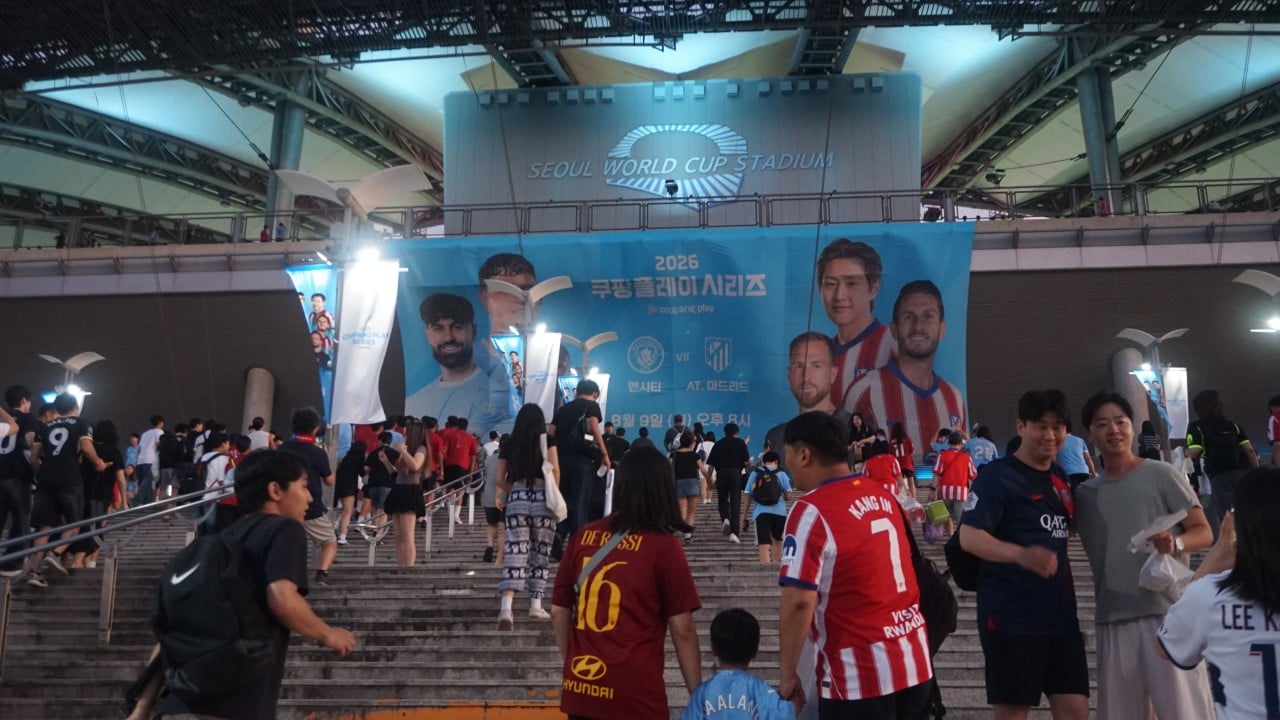
Everyone loves a lazy narrative about domestic sports dying. The standard lazy take claims South Korean football fans are abandoning the local K League en masse to worship European mega-clubs on television screens. Commentators love to point at Premier League jersey sales in Seoul and cry that domestic football is losing a one-sided war against foreign giants.
It is a completely inverted diagnosis of reality.
I have watched leagues panic over media consumption habits for decades, throwing money at cosmetic fixes while ignoring the actual mechanics of fandom. The assumption that supporting Tottenham or Manchester United creates a zero-sum subtraction from domestic attendance is mathematically and culturally false. Fans do not treat sports consumption like a single-entry ledger.
The Dual-Identity Fallacy
The lazy consensus treats football fandom as a monogamous marriage. If you watch Son Heung-min play in London on a Sunday morning, the conventional wisdom says you cannot possibly care about FC Seoul or Ulsan HD on a Saturday afternoon.
That is not how human psychology works. Modern sports consumption operates on multi-tiered loyalty. A fan can appreciate the sterile, hyper-monetized cinematic product of the English Premier League as global entertainment while simultaneously craving the tribal, raw, neighborhood proximity of a local K League match.
Imagine a scenario where a consumer listens exclusively to global pop stars on Spotify, yet still buys tickets to packed underground basement gigs in Hongdae. Does listening to Taylor Swift destroy the local indie scene? No. It serves an entirely different psychological utility. European football is broadcast entertainment, video game culture, and digital watercooler talk. The K League is physical geography, community identity, and visceral reality.
The Attendance Reality Check
Let us look at the actual numbers instead of hand-wringing over internet forum traffic. K League attendance figures have shattered historical ceilings, with top-tier clubs regularly packing stadiums and driving millions through turnstiles. When FC Seoul brings in marquee draws or stadium marketing hits its stride, tens of thousands show up not because they forgot about Europe, but because live domestic football offers something a television screen ten thousand miles away never can: physical presence.
The complaint that local fans prefer European clubs ignores the structural evolution of domestic broadcasting. Platforms like Coupang Play changed the economics of accessibility. High-definition local broadcasts paired with localized commentary mean domestic football has never looked sharper. The friction of watching Korean matches has dropped to zero, yet critics still cling to outdated 2010s talking points about empty concrete bowls.
Why European Obsession Helps Domestic Growth
Smart operators know that exposure to elite football acts as an upper-funnel acquisition channel, not a deterrent. When young fans fall in love with the mechanics of the sport through European leagues, they develop a baseline literacy for high-level tactics. That sophistication feeds right back into domestic demand.
European clubs sell a lifestyle brand. The K League sells authentic tribalism. You cannot replicate the soul of an away section chanting in unison within a stadium three time zones away. The clubs winning right now are the ones that stop trying to out-market Manchester United on TikTok and instead double down on matchday culture, craft food zones, and community integration.
Stop mourning a fictional exodus. The Korean fan base isn't running away from domestic football; they are simply consuming everything, and the local product is tough enough to hold its ground.


