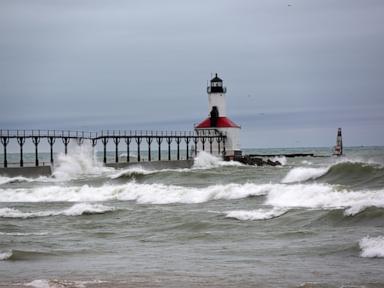
A peaceful evening at Washington Park Beach turned into every parent's absolute worst nightmare. On Monday, June 22, 2026, a child wearing red shorts walked into Lake Michigan near Michigan City, Indiana. Within moments, the water swallowed him up. He went under near the east side of the catwalk, just south of the historic lighthouse, and he never resurfaced.
Bystanders immediately called for help around 5:43 p.m. First responders flooded the scene. Divers jumped into the crashing surf, drones scanned from above, and a medical helicopter waited on standby. Yet, after hours of grueling effort, the search was called off.
It wasn't because crews gave up. The lake simply became too violent.
When people think of lakes, they often picture calm, glassy water. Lake Michigan isn't like that. It behaves exactly like an ocean, complete with breaking waves, deadly rip currents, and sudden structural currents that can trap even the strongest swimmers. Monday's incident highlights a terrifying reality about the Great Lakes that many tourists and locals completely ignore until it's too late.
The Reality of What Happened at Washington Park Beach
Witnesses on the shore watched the entire tragedy unfold in real time. The child entered the water in an area notoriously known for tricky currents near the pier and catwalk structures. When the first 911 calls hit the dispatch desk, the response was massive and immediate.
Multiple agencies scrambled to the beach. The Michigan City Fire Department and Michigan City Police Department arrived first. They were quickly backed up by the Indiana Department of Natural Resources, commonly known as the DNR, alongside La Porte County Emergency Medical Service crews.
The rescue team didn't hold back. They deployed four specialized divers from the fire department and another highly trained diver from the DNR. They even brought in a local fishing charter boat to help navigate the rough waters, hoping the higher vantage point could help spot the red shorts. Drones buzzed overhead, using high-resolution cameras to cut through the surface glare.
The lake fought back hard. Rescuers encountered massive four to six-foot waves slamming against the pier. The underwater visibility dropped to near zero as the churning water kicked up sand and lake debris.
The search turned dangerous for the rescuers themselves. Strong currents repeatedly slammed the divers against underwater structures or dragged them off course. By the time commanders made the tough call to suspend the operation, four rescue workers were injured. Three Michigan City Fire Department divers sustained minor injuries and had to be rushed to Franciscan Health for evaluation. A DNR diver was also injured and received treatment directly at the scene.
When a rescue operation starts hurting the people doing the rescuing, you know the conditions are genuinely extreme.
The Invisible Threat of Great Lakes Hydrodynamics
Many people don't understand why Lake Michigan is so much more dangerous than a typical inland body of water. The sheer size of the lake allows massive wind systems to build up incredible momentum across hundreds of miles of open water. This distance of open water over which wind blows is called the fetch.
When strong winds blow from the north or west straight toward the southern shores of Indiana and Michigan, they pile up immense volumes of water. That water has to go somewhere when it hits the shoreline. As it recedes, it forces its way back out to deeper water through narrow channels in the sandbars. This creates a classic rip current.
But at Washington Park Beach, there's another deadly factor at play. The lighthouse pier and the catwalk create what coastal engineers call a structural current.
When waves strike a solid barrier like a concrete pier or a seawall at an angle, the water gets deflected sideways along the structure. This creates a fast-moving river of water that flows directly parallel to the pier and then shoots straight out into the deep lake. If a swimmer gets too close to the pier on a rough day, this structural current acts like a conveyor belt, dragging them away from the shore at speeds that can easily surpass five miles per hour. No human can swim against that.
To make matters worse, the National Weather Service had already flagged these exact dangers earlier in the day. They issued both a Beach Hazards Statement and a Small Craft Advisory for the area. The combination of strong winds, high waves, and relentless rip currents meant the lake was a trap waiting to spring.
The Brutal Anatomy of a Dive Rescue Mission
People often ask why divers can't just keep looking regardless of the weather. They picture divers moving smoothly through clear water with flashlights. The reality of a Great Lakes search and rescue operation in six-foot waves is messy, chaotic, and terrifyingly dark.
When wave action is that high, the lake floor becomes a washing machine. Sand, silt, clay, and detached lake weeds mix into the water column. A diver holding their hand out in front of their face literally cannot see their own fingers. They operate entirely by feel.
To search in zero visibility, divers use structured search patterns. They are tied to tender lines managed by crews on the shore or on a boat. The diver crawls along the freezing lake bed, sweeping their arms back and forth in the dark, feeling for anything unusual.
When you add four to six-foot waves into the equation, the surge on the lake bottom moves the divers violently back and forth. They spend more energy trying to stay pinned to the bottom than actually searching. The physical exertion causes them to breathe through their air supply at double or triple the normal rate.
The cold is another enemy. Even in June, the deeper waters of Lake Michigan stay shockingly cold. Hypothermia sets in quickly, dulling a diver's reflexes and clouding their judgment. When you combine zero visibility, violent surges, freezing water, and the constant threat of being smashed into a concrete pier structure, the risk to human life becomes unacceptable.
Search commanders have to look at the math. If they keep the divers in the water, they risk losing the rescuers too. That's exactly why the operations were halted on Monday night.
How to Read Beach Warnings Like a Pro
The local authorities repeatedly emphasize that beachgoers need to pay attention to water conditions and follow every single posted warning. But many people don't actually know what those warnings mean or where to look for them. Relying solely on whether a lifeguard is sitting in a chair is a massive mistake.
The first line of defense is checking the National Weather Service alerts before you even pack your beach bag. A Beach Hazards Statement isn't just a friendly heads-up. It means that dangerous swimming conditions, including life-threatening waves and currents, are actively expected or occurring.
Many beaches along Lake Michigan use a color-coded flag system. You need to know these colors by heart.
- Green Flag: Low hazard. Water is generally calm, but you still need to stay alert because lake conditions change fast.
- Yellow Flag: Medium hazard. Expect moderate surf and currents. Weak swimmers should stay out of the water, and everyone else should use extreme caution.
- Red Flag: High hazard. The water is closed to the public. High surf and deadly currents are active. Entering the water under a red flag is a direct gamble with your life.
If you arrive at a beach and see red flags flying, or if you notice waves crashing over the pier structures, keep your feet on dry sand. The visual of waves breaking against the Michigan City lighthouse is incredibly beautiful, but that beauty hides a lethal undercurrent.
Survival Steps if You Get Caught in a Lake Michigan Current
If you or a loved one ever find yourself swept out by a current in the Great Lakes, you have to fight your natural survival instincts. The instinct is to turn around and swim straight back toward the shore. That instinct will kill you.
You cannot outswim a rip current or a structural current. Trying to do so will exhaust you within minutes, leading to panic and drowning. Instead, you need to use the "Flip, Float, and Follow" method developed by Great Lakes safety experts.
First, flip onto your back. Keeping your head above water and breathing easily is your top priority. Don't waste energy screaming or flailing if it causes you to swallow water.
Second, float. Calm your mind and let the water support your weight. Toss away any heavy gear or shoes if you can do so safely. Conserve every ounce of your physical energy.
Third, follow the trend of the current. A rip current will eventually widen and lose its strength once it gets past the sandbars. Do not try to swim back to shore until you feel the pull of the current subside. Once the water feels calmer, swim parallel to the shoreline until you are out of the channel of the current, and then make your way back to the beach at an angle.
If you get caught in a structural current next to a pier, you have to swim perpendicular to the structure to break out of the narrow river of water. Do not try to climb up the concrete walls or the pier piles. The crashing waves will slam you against the concrete and knock you unconscious. Swim away from the pier first, get into the open lake water, float, and then circle back toward the beach once you are clear of the structure's pull.
What Happens Next in the Investigation
The incident at Washington Park Beach remains under active investigation by local police and the Indiana DNR. As of right now, authorities have not publicly released the missing child's name, age, or identity out of respect for the family's privacy during an unimaginably agonizing time.
Search efforts are fundamentally paused, but they are not over. Crews are monitoring the weather and lake conditions by the hour. As soon as the wind dies down, the waves drop, and underwater visibility improves to a manageable level, rescue craft and divers will head back out to the water.
This tragedy serves as a stark, painful reminder that nature does not care about your vacation plans. Lake Michigan is a magnificent resource, but it demands absolute respect. Never swim alone, never ignore posted warnings, and always treat the Great Lakes with the same caution you would reserve for the middle of the Atlantic Ocean. Keep an eye on local news feeds for official updates from the Michigan City Fire Department as the search operations look to resume.


