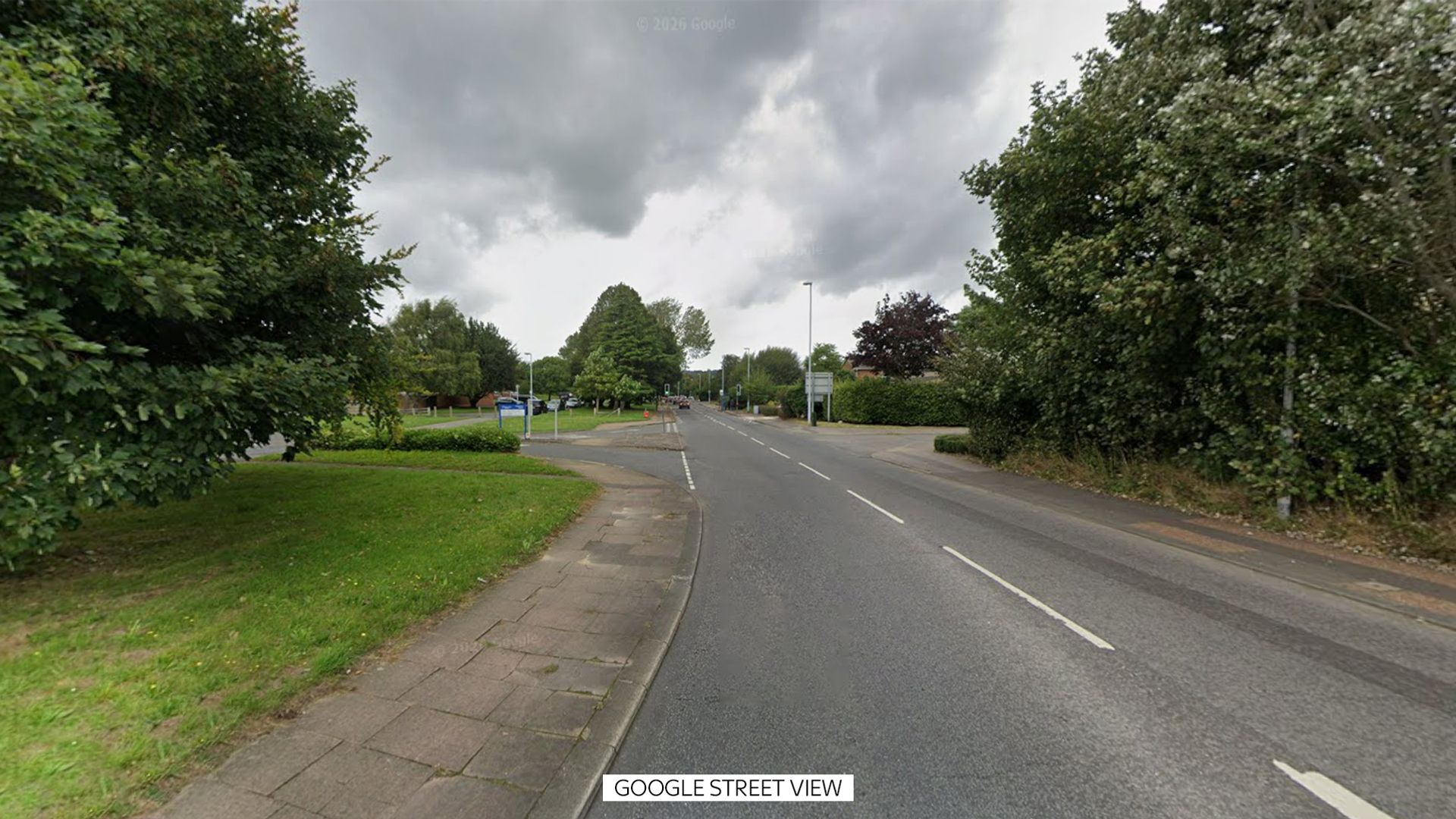
Police are currently cordoning off a residential street after a 65-year-old woman was found dead in her home. It’s the kind of news that makes you double-check your locks. Detectives have launched a full-scale murder investigation. They’re searching for answers in a quiet neighborhood where "this sort of thing doesn't happen." But it did happen. And now, a community is left reeling while forensic teams in white suits comb through a property for the tiniest shred of evidence.
The reality is that these tragedies often follow a chillingly similar pattern. A neighbor notices mail piling up. Maybe a door was left slightly ajar. Or perhaps a relative couldn't get through on the phone. When the police finally force entry, the scene is transformed from a private sanctuary into a high-stakes crime scene. It’s visceral. It’s devastating. Meanwhile, you can explore related developments here: India's Peace Posture is a Masterclass in Strategic Apathy.
What we know about the investigation so far
The emergency calls came in during the early hours. Officers arrived to find the woman, aged 65, deceased inside the property. While the identity hasn't been officially released to the public yet, the family is being supported by specially trained officers. That’s standard procedure, but it doesn't make the grief any less sharp.
A man has been arrested on suspicion of murder. He’s currently in custody. This is a vital detail because it suggests the police believe they have a clear lead, rather than a random predator on the loose. Most violent crimes involving older victims aren't the work of a shadowy stranger. They’re often close to home. The statistical likelihood of the perpetrator being known to the victim is high. It’s a bitter pill to swallow, but the data from the Office for National Statistics consistently shows that most homicides occur within domestic or known-associate settings. To see the complete picture, check out the detailed analysis by Reuters.
The house is now a "controlled environment." Every fingerprint matters. Every DNA swab counts. Forensics experts will stay there for days, maybe weeks. They aren't just looking for a weapon. They’re looking for a story. They want to know exactly what happened in those final moments.
The failure of the quiet neighborhood myth
We love to tell ourselves that suburban streets are safe havens. We buy into the idea that crime is something that happens "over there"—in the city center or in "rough" areas. This investigation proves that’s a lie. Vulnerability doesn't have a zip code.
A 65-year-old woman should be enjoying a quiet life. Instead, her home became a site of extreme violence. This happens because we stop paying attention. We assume everyone is fine because the lawn is mowed and the curtains are drawn. Loneliness and isolation are the best friends of a criminal. When people aren't being checked on, risks escalate.
Neighbors often say they "didn't hear a thing." That’s the most haunting part of these reports. Modern houses are built to keep the heat in and the noise out. That privacy is great for movie nights, but it’s terrible for safety. We’ve traded community vigilance for individual comfort.
How police build a murder case from scratch
Don't expect a quick resolution. Real-life investigations don't wrap up in sixty minutes like a TV drama. The "Golden Hour" is the most intense period—the first sixty minutes after a crime is discovered. This is when evidence is freshest and witnesses’ memories are sharpest. But once that hour passes, the grind begins.
Digital footprints and CCTV
The first thing detectives do now isn't knocking on doors; it’s looking for cameras. Doorbell cams are the new star witnesses. If you have a Ring or Nest camera, the police are going to ask for your footage. They’re looking for anyone walking, driving, or even loitering in the area around the time of death.
They’ll also seize phones and laptops. In 2026, our lives are recorded in bitrates. A text message, a GPS ping, or a sudden stop in heart rate data on a smartwatch can pin down a time of death to the second. If the suspect was in the house, their phone almost certainly told on them.
The post-mortem examination
The Home Office pathologist has the grimmest job. They have to determine the cause of death. Was it blunt force trauma? Manual strangulation? A weapon? This information dictates the direction of the whole inquiry. If the injuries don't match the suspect's story, the "suspicion of murder" charge becomes a formal indictment.
Why age makes these cases different
When the victim is 65 or older, the legal and social weight of the crime changes. There’s a specific kind of outrage when a senior is targeted. It feels like a violation of a social contract. We’re supposed to protect our elders.
Physical vulnerability is a major factor. A person in their mid-sixties might still be very active, but they often lack the raw physical strength to fight off a younger attacker. This disparity in power is something prosecutors lean on heavily. It demonstrates a level of predatory intent that can lead to longer sentences.
The ripple effect on the local community
The fear doesn't just vanish when the police tape comes down. I’ve seen this before. A murder on a "good" street changes the DNA of that neighborhood. People start installing extra locks. They stop walking the dog after dark. They look at their neighbors with a sliver of doubt.
The police know this. That’s why you’ll see increased patrols in the coming days. It’s not just about catching the killer; it’s about "reassurance policing." They need to convince the public that the threat is contained. But once that sense of security is broken, it stays broken for a long time.
What you should do right now
If you live in the area, check your security footage from the last 48 hours. Don't assume your camera didn't catch anything useful. Even a car driving past at high speed can be the missing piece of the puzzle. Call the non-emergency line or use the online reporting portal if you saw anything unusual. No detail is too small.
If you have elderly relatives living alone, call them. Today. Set up a regular check-in system. It doesn't have to be a formal "safety check." Just a quick text or a five-minute chat. Isolation makes people targets. Breaking that isolation is the best defense we have.
The investigation is ongoing, and the house remains a crime scene. We have to wait for the forensic results and the suspect's initial court appearance to get the full picture. Until then, stay alert and keep an eye on the people around you. Safety isn't a passive state; it’s something we have to actively maintain.