War zones rarely stay neatly contained within borders, and a tragic overnight barrage on Ukraine's capital just proved it. An Indian citizen was confirmed among the 12 people killed during a massive wave of Russian missile and drone strikes targeting Kyiv and surrounding regions.
Ukrainian President Volodymyr Zelenskyy verified the grim toll, pointing out that residential areas, critical logistics nodes, and civilian infrastructure bore the brunt of the assault. If you've been tracking the trajectory of this prolonged conflict, you know these aerial campaigns have grown increasingly erratic and lethal. This particular escalation cuts straight through international boundaries, dragging foreign nationals directly into the line of fire.
The Anatomy of a Midnight Barrage
The assault wasn't just a random flare-up. Moscow deployed a heavy mix of jet-powered drones and ballistic missiles, overwhelming local defenses in several key areas.
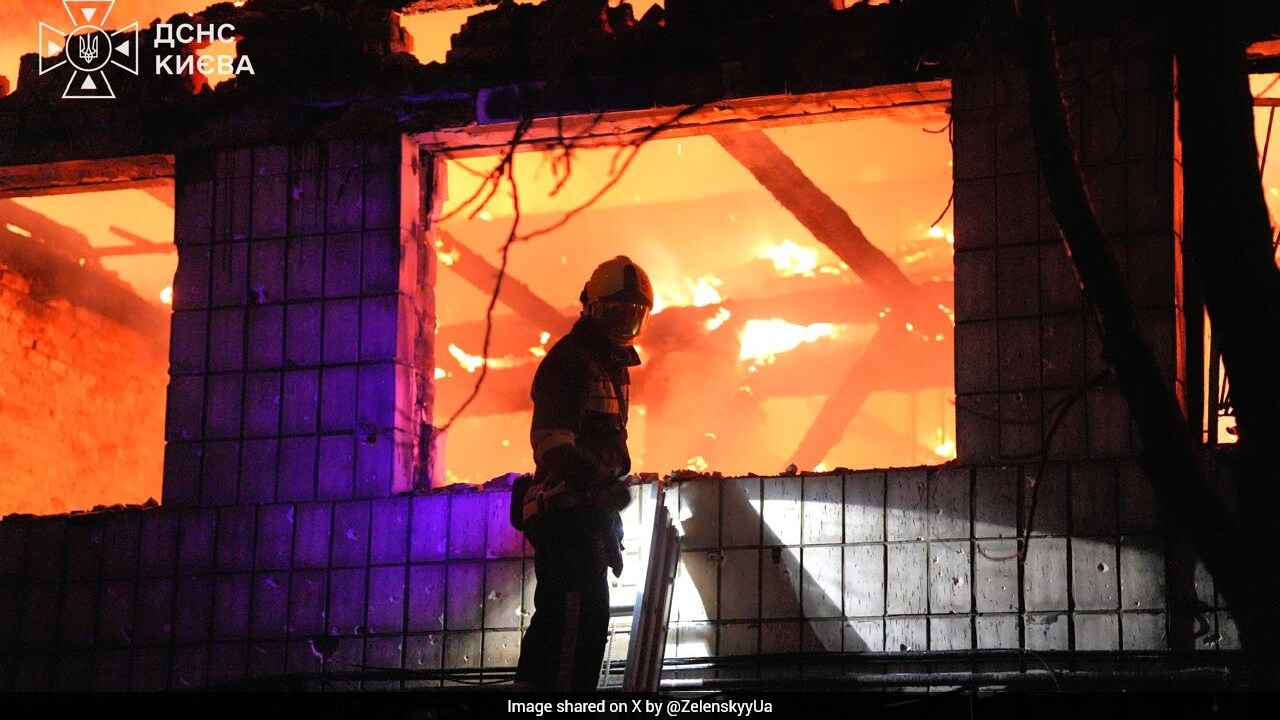
In Kyiv itself, a direct hit on a railway depot claimed seven lives, mostly railway workers caught on duty. Meanwhile, in the nearby suburb of Boryspil, an ordinary five-story residential building took a direct hit. Emergency services had to evacuate fifty residents as fires raged through apartments. Four people died in that blast zone alone, turning sleeping families into casualties of a war thousands of miles away from South Asia.
Zelenskyy didn't mince words regarding the strategy behind the onslaught. He stated publicly that Moscow calculates these strikes to maximize civilian disruption and loss of life. He also tied the success of these attacks directly to critical shortages in western-supplied air defense interceptors, specifically Patriot systems.
Diplomatic Fallout and High-Stakes Talks
This bloodshed happens against a backdrop of frantic, high-level diplomacy that seems entirely disconnected from the realities on the ground. Just days prior, Indian Prime Minister Narendra Modi met with Russian President Vladimir Putin during the Shanghai Cooperation Organisation summit. Modi urged Putin to halt the conflict for humanity's sake. Clearly, those appeals haven't translated into safety for non-combatants roaming or working inside Ukrainian cities.
At the same time, diplomatic channels involving the United States are spinning rapidly. Zelenskyy recently held discussions with U.S. envoys Steve Witkoff and Jared Kushner to map out potential peace negotiations and coordinate future high-level visits. Yet, intelligence reports indicate that the Kremlin's stance remains unyielding, pushing for maximalist objectives despite mounting domestic fatigue within Russia itself.
What This Means for Foreign Nationals Abroad
When a conflict drags on for years, the presence of foreign students, workers, and expatriates becomes a quiet liability. Thousands of international citizens stayed or returned to various parts of Ukraine for work, education, or business operations. Incidents like this serve as a brutal reminder that local air-raid sirens and basement shelters are the only immediate shield available when air defenses fail to intercept incoming ballistic payloads.
Governments typically issue sweeping travel advisories, but enforcing safety once a citizen is embedded in an active combat zone remains nearly impossible. The death of an Indian national in Kyiv forces a sharp reassessment of risk management for expatriates living near critical infrastructure targets like rail depots and power grids.
Pay close attention to official advisories from your local ministry of external affairs if you or anyone you know maintains professional or personal ties to regions under active bombardment. Keep emergency evacuation routes mapped out, maintain immediate contact with local embassies, and never ignore an incoming air-raid alert.