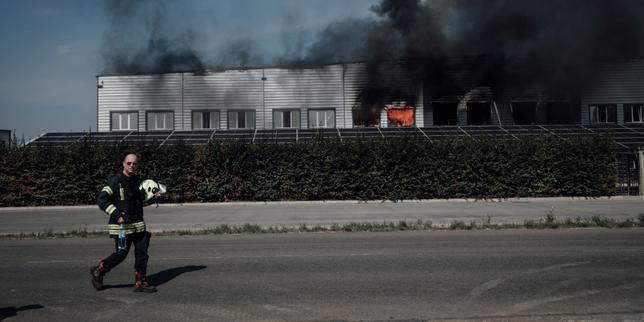
The reality on the ground in Ukraine remains brutally harsh as targeted regions absorb ongoing devastation. Recent operational updates indicate that Russian military forces claimed strikes on critical infrastructure across 142 distinct zones, pushing the human toll higher in the eastern and southern fronts.
If you look past the broad strategic summaries, the actual day-to-day news carries a heavy civilian cost. The local updates coming out of the Donetsk and Zaporizhia oblasts paint a grim picture of escalating violence, proving that the intensity of this conflict hasn't slowed down an inch.
The Human Toll in Donetsk and Zaporizhia
Recent figures from regional administrations confirm that the violence directly touches families and communities far from any active trench line. In the Donetsk oblast, the localized death toll climbed to five victims, tragically including a young child.
Down south in the Zaporizhia oblast, emergency services reported two additional fatalities alongside three residents sustaining injuries from sudden bombardments. These numbers aren't just dry data points. They represent homes shattered, communities disrupted, and lives abruptly cut short by ongoing aerial campaigns.
Why Infrastructure Target Sets Keep Expanding
Moscow's assertion of hitting targets across 142 zones points to a broad operational template. Rather than focusing solely on frontline defensive positions, military planners continue to hammer power grids, transit hubs, and logistical networks.
Why target so many widespread zones at once? The objective is straightforward military exhaustion. By spreading air defense networks thin across 142 separate vectors, striking forces attempt to overload local response capabilities and disrupt civilian supply lines simultaneously. It's a grinding attrition model designed to make normal daily functioning nearly impossible in contested regions.
Living Through the Constant Alert Cycle
People tracking these developments from the outside often miss the psychological weight carried by residents living under constant sirens. When an oblast like Zaporizhia or Donetsk absorbs multiple fatal strikes in a single reporting cycle, the local routine completely breaks down.
Schools operate underground or online. Hospitals run on backup generators whenever nearby subgraphs take a direct hit. Basic survival requires an exhausting level of hyper-vigilance that wears communities down just as much as the physical destruction.
The frequency of these wide-scale operations shows no sign of abating. As long as these broad targeting campaigns continue across dozens of administrative zones, the humanitarian crisis in eastern and southern Ukraine will only deepen. Local emergency services remain stretched to their absolute limits, responding to fresh rubble and casualties hour by hour while international observers watch a conflict that refuses to stabilize.


