The two-week ceasefire between Washington and Tehran, signed just sixty minutes before a deadline that threatened the survival of the Iranian state, has one glaring, intentional omission. Lebanon has been left out in the cold. While the Strait of Hormuz tentatively reopens and the direct threat of "total civilization collapse" for Iran recedes, the Israeli military has intensified its campaign against Hezbollah targets with the quiet blessing of the White House. This is not a diplomatic oversight. It is a calculated decoupling designed to maintain pressure on Iran’s most potent proxy while the principals negotiate a longer-term settlement in Islamabad.
The Partitioned Peace
The agreement brokered by Pakistani Prime Minister Shehbaz Sharif and Field Marshal Asim Munir was never intended to be a comprehensive regional truce. It was a pressure-release valve for the global economy. By securing a pause in the direct exchange of fire between U.S. and Iranian forces and reopening the world’s most critical oil artery, the Trump administration secured its primary objective: stabilizing energy markets before they triggered a global recession.
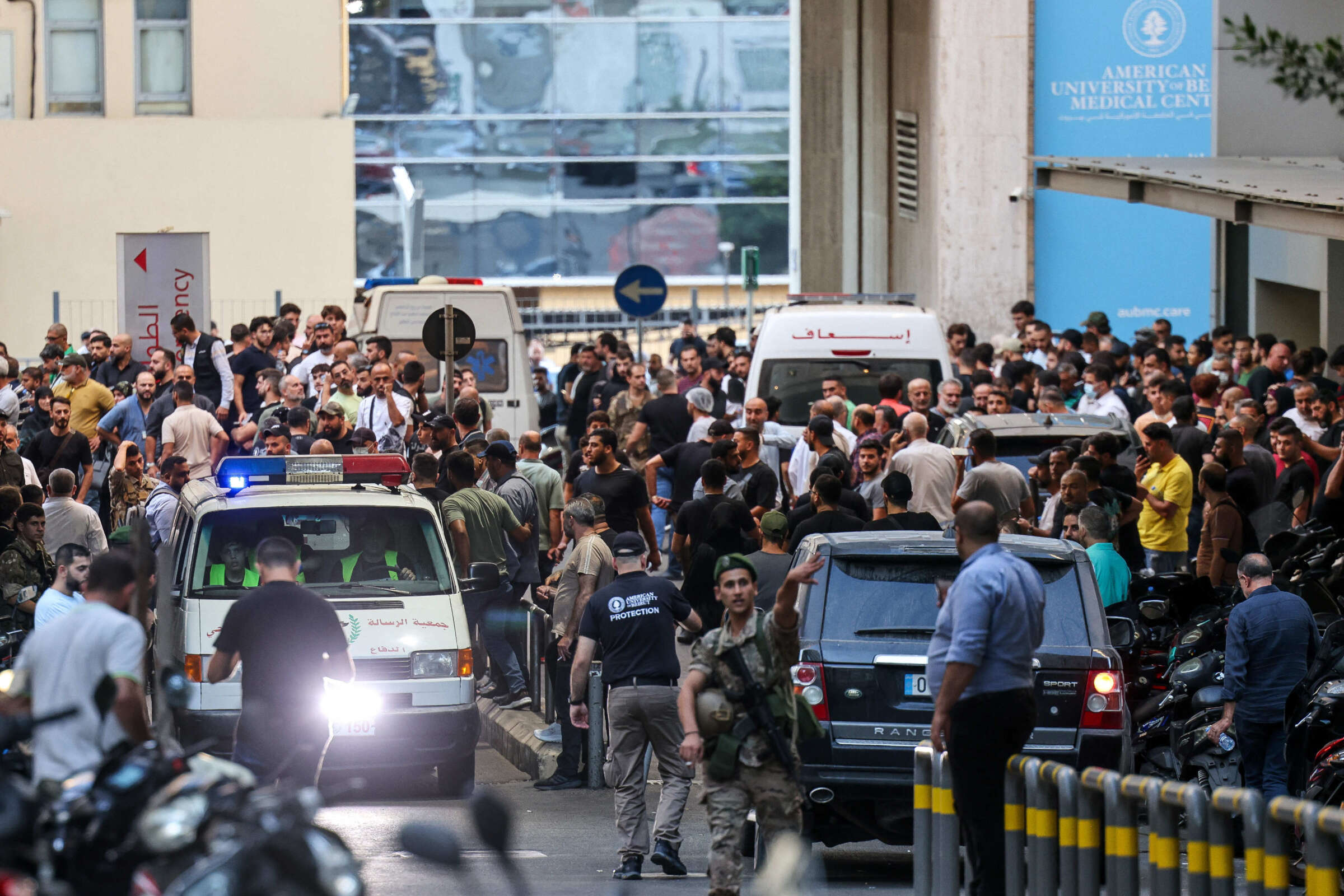
However, the reality on the ground in southern Lebanon tells a different story. In the hours following the announcement, the Israeli Air Force launched some of the most devastating strikes of the year against the city of Tyre. Israeli Prime Minister Benjamin Netanyahu was explicit in his clarification that the deal between the U.S. and Iran does not apply to the Galilee or the Litani River.
White House Press Secretary Karoline Leavitt confirmed this stance, signaling that the administration sees no contradiction in pausing the war with the patron while allowing the war with the client to escalate. This creates a dangerous friction point. Tehran has already issued warnings through the Islamic Revolutionary Guard Corps (IRGC), claiming they will "fulfill their duty" if the assault on Lebanon does not cease. But for now, the U.S. is betting that Iran is too battered by the recent weeks of precision strikes to risk the ceasefire for the sake of Hezbollah.
Tactical Deception and the Islamabad Protocol
The upcoming negotiations in Islamabad on Friday will be haunted by this exclusion. Investigative threads from the brief 10-point and 15-point frameworks floating between the parties suggest a deep disconnect. While the English version of the Iranian proposal emphasizes a binding guarantee against future strikes, the Farsi version reportedly includes a demand for the formal recognition of uranium enrichment.
By keeping Lebanon "off the books" during this two-week window, the U.S. maintains a secondary theater of leverage. If Iran stalls in Pakistan, the intensity of the campaign in Lebanon can be dialed up. This is high-stakes diplomacy conducted through high-explosive ordnance.
The strategy relies on a cold-blooded assessment of Iran’s current priorities. The Iranian economy has been paralyzed by the blockade and the looming threat of the "Stone Age" bombardment Trump promised. The regime is currently more concerned with its own survival and the restoration of shipping fees in the Strait than it is with the immediate survival of Hezbollah’s middle-management.
The Humanitarian Vacuum
While the diplomats prepare their talking points in Islamabad, the humanitarian cost in Lebanon is mounting. Over 1.3 million people have been displaced. The International Rescue Committee has pointed out the absurdity of a "peace" that ignores a front where 1,500 people have died in recent weeks alone.
This exclusion serves a domestic political purpose for the Trump administration as well. It allows the President to claim a "total and complete victory" over a "rogue regime" while simultaneously demonstrating unwavering support for Israel’s security operations. It is a "Peace through Strength" narrative that requires a visible enemy to still be under fire.
The Fragility of the Hormuz Toll
A hidden clause in the mediation efforts suggests that Iran and Oman may be allowed to charge transit fees for ships passing through the Strait of Hormuz during the two-week pause. This is a significant concession that provides the IRGC with a much-needed cash infusion. It is also a point of extreme contention for U.S. allies and domestic critics who view it as paying protection money to the very force that mined the waterway in the first place.
If the IRGC follows through on its threat to pull out of the deal because of the Lebanon strikes, the global economy will face a second, more permanent shock. The U.S. Energy Information Administration has already warned that fuel prices will remain elevated for months regardless of the reopening. The market's relief is based on the hope that this is the beginning of the end, rather than just a tactical regrouping.
The Islamabad talks are unlikely to produce a permanent solution if the Lebanon issue remains unaddressed. You cannot separate the head of the snake from the body and expect the nerves to stop twitching. The "Brutal Truth" is that Lebanon has been transformed into a sacrificial buffer zone, used by all sides to test the limits of the other's resolve without triggering a full-scale global conflagration.
The next fourteen days will determine if this is a masterstroke of coercive diplomacy or a catastrophic delay that merely allowed both sides to rearm for a much larger war. For the people of Tyre and the villages of the south, the ceasefire is a ghost—a diplomatic phantom that provides no shelter from the ordinance falling today.