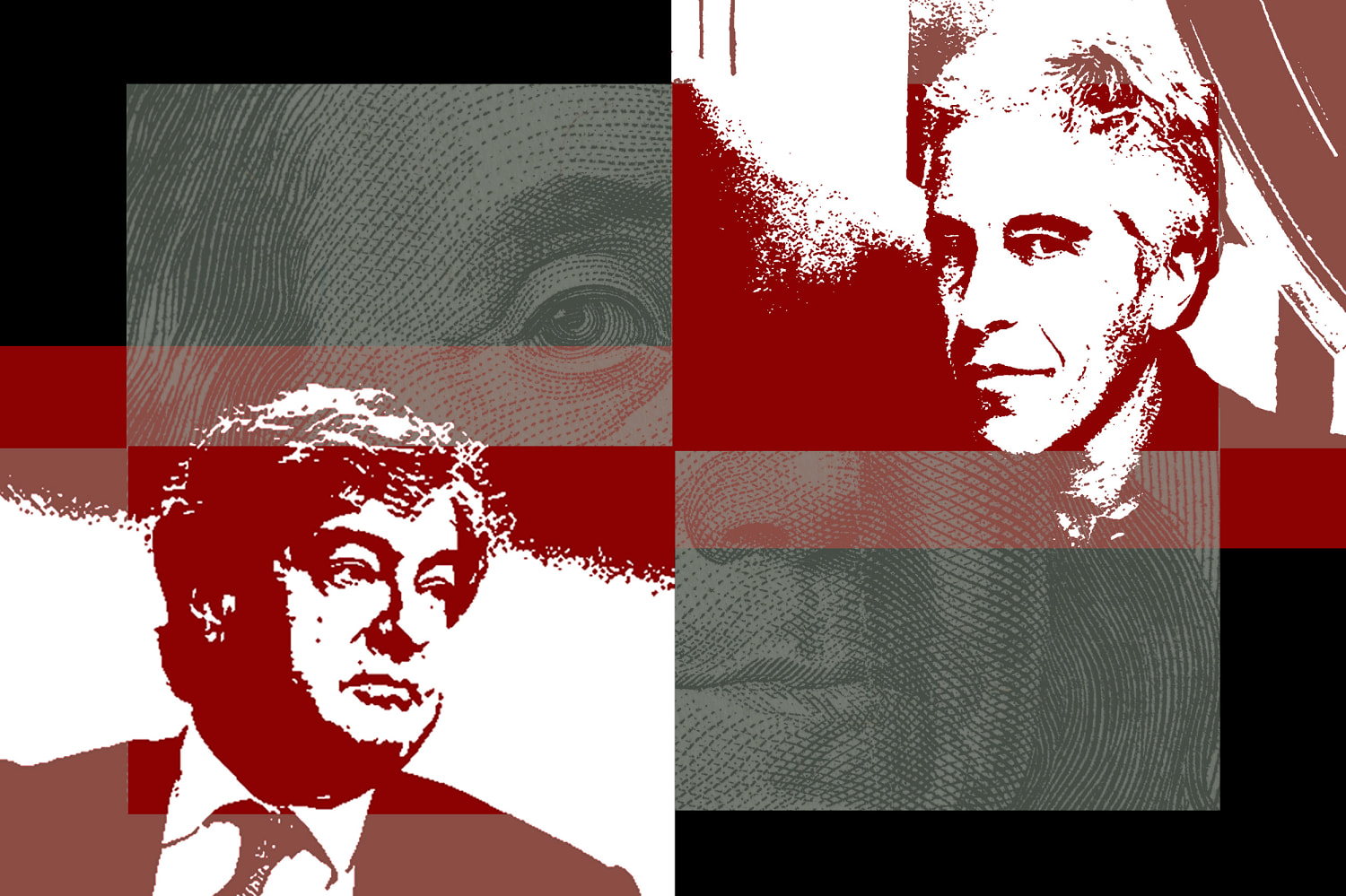
The upcoming House Oversight Committee testimony of private equity billionaire Leon Black is not a routine political grilling. It represents the collision of Wall Street’s most aggressive tax-avoidance strategies with the dark underbelly of offshore leverage. When the co-founder of Apollo Global Management sits before congressional investigators, lawmakers will demand an answer to a single, baffling question. Why did one of the sharpest minds in modern finance pay $170 million to Jeffrey Epstein, a man who possessed neither a law degree nor an accounting license?
The traditional defense mounted by Black’s legal team has reached its absolute limit. For years, the narrative held that Epstein was simply a uniquely brilliant estate-planning strategist whose bespoke tax structures saved Black an estimated $1.3 billion. But a four-year Senate Finance Committee investigation spearheaded by Senator Ron Wyden has systematically dismantled that clean corporate explanation.
Documents unearthed from the federal government's unsealed Epstein files reveal that the disgraced financier was not acting as a traditional tax consultant. He was operating as a high-stakes corporate and personal fixer.
Leon Black's Epstein Outlays vs. Elite Legal Standards
-----------------------------------------------------------------
Elite Law Firm Partner Rate:   $1,000+ per hour
Total Paid to Law Firm (13-14): $2,000,000 (Full estate execution)
Total Paid to Epstein (12-17):  $170,000,000 (Unsigned "ad hoc" agreements)
The sheer scale of the compensation defies the logic of the elite financial ecosystem. During the exact years Black was funneling tens of millions of dollars to Epstein, he paid a premier global law firm a relatively modest $2 million to handle the actual legal execution of his estate. Top-tier tax attorneys at the most prestigious firms in New York routinely command fees exceeding $1,000 an hour. To burn through $170 million at those historic rates, a firm would need to work around the clock for decades. Epstein was paid exponentially more than a small army of the best legal minds in America.
The financial anomalies deepen upon examining the operational mechanics of Black’s family office. Investigators discovered that for several of the years marked by massive capital transfers, no written services agreement or formal contract existed between the billionaire and Epstein. The money moved on an ad hoc basis, determined entirely by Black’s personal assessment of Epstein’s value. Furthermore, Black’s office did not claim these gargantuan outlays as tax-deductible business expenses, a standard practice for legitimate advisory fees.
The true nature of the relationship appears to lie far beyond the boundaries of capital gains preservation. Unsealed records indicate that Epstein was intimately involved in managing Black’s most volatile personal liabilities. When a former Russian model threatened to go public with damaging personal allegations against Black, it was Epstein who stepped into the breach to orchestrate the containment strategy.
Congressional records show that in September 2015, Epstein sent explicit emails suggesting Black deploy former law enforcement personnel to handle the delivery of a restrictive nondisclosure agreement. Epstein went so far as to instruct Black’s assistant to migrate the communications off the corporate Apollo servers and onto a private email account to prevent internal corporate detection. The resulting agreement bound Black to pay the woman $100,000 a month over fifteen years.
More troubling for Black is the paper trail indicating that Epstein may have functioned as a physical conduit for these transfers. Senate investigators flagged specific email exchanges showing women receiving funds that originated with Black but were routed directly through Epstein’s accounts. This particular mechanism has forced lawmakers to shift their focus from aggressive tax avoidance to potential money laundering.
The Anatomy of Containment: The $62.5 Million Island Shield
-----------------------------------------------------------------
Territory: U.S. Virgin Islands
Settlement Cost: $62,500,000
Primary Benefit: Total immunity from criminal prosecution regarding Epstein
Then there is the matter of the U.S. Virgin Islands. In 2023, Black quietly paid $62.5 million to the territory's government to completely release himself from any legal claims tied to Epstein's local operations. Congressional investigators are now focused heavily on the specific language of that settlement, which uniquely granted broad criminal immunity not just to Black, but to his personal attorneys and agents. The central mystery driving the current House probe is what specific underlying conduct that criminal shield was built to protect.
Black’s representatives maintain that an exhaustive independent review conducted by the law firm Dechert LLP looked at more than 60,000 documents and found zero evidence that Black had any knowledge of Epstein’s underlying criminal network. They argue that congressional inquiry into a private citizen’s personal finances lacks a legitimate legislative purpose.
But public companies do not exist in a vacuum. The fallout has already triggered a major securities class-action lawsuit against Apollo Global Management and its current leadership. The litigation alleges that the firm misled investors by claiming Apollo never did business with Epstein, while internal records show Epstein was actively requesting corporate documents and communicating directly with senior executives well into the 2010s.
Capital markets punish hidden risks far more severely than known liabilities. By treating a toxic fixer as an indispensable financial architect, one of Wall Street's most formidable titans left a permanent paper trail through the global banking system. The upcoming public testimony will determine whether that trail leads to mere reputational ruin or direct legal exposure.