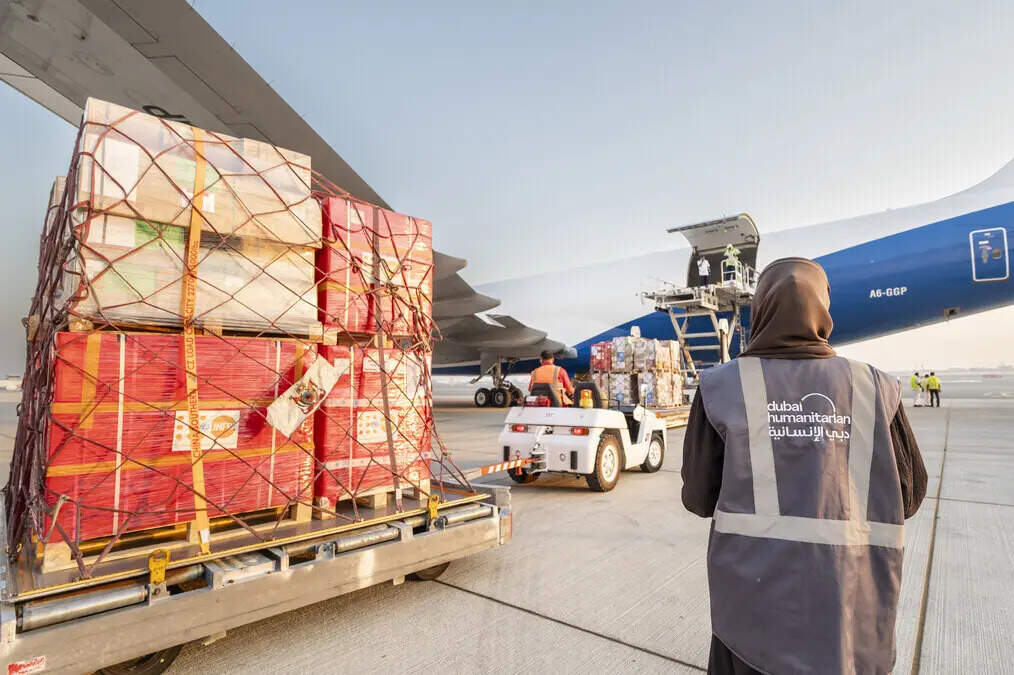
Dubai Humanitarian just dropped 96 tonnes of medical supplies into Afghanistan. On paper, it is a staggering figure. The shipment, sanctioned and led by the UAE, aims to reach 250,000 people who are currently staring down the barrel of a collapsed healthcare system. But beyond the press releases and the photos of white cargo planes sitting on sun-scorched runways lies a much more complex story about how aid actually moves in a region defined by sanctions, shifting political alliances, and a desperate race against the clock.
The mission is not just a gesture of goodwill. It is a massive logistics exercise that proves Dubai has become the undisputed nerve center for global crisis response. By utilizing its massive "Humanitarian Hub," the UAE is doing what most Western nations are currently struggling to navigate: maintaining a functional, high-volume supply chain into a country governed by an administration that most of the world does not officially recognize. This 96-tonne lift represents a physical bridge across a geopolitical chasm.
Moving Mountains of Medicine Through a Diplomatic Minefield
Shipping nearly 100 tonnes of medicine is not as simple as booking a freight flight. In the context of Afghanistan, every bandage and every vial of insulin is a victory over red tape. Since the 2021 shift in power, the country’s banking system has been largely frozen, making the purchase and transport of goods a nightmare for traditional NGOs.
The UAE occupies a unique position here. They have the flight paths, the diplomatic channels, and the physical infrastructure to bypass the typical bottlenecks that stall international aid. This specific shipment focused on "Emergency Health Kits." These are not just boxes of aspirin. They are pre-packaged, high-utility modules designed to keep clinics running when the power goes out and the local pharmacy is empty.
When a doctor in a remote province of Afghanistan treats a patient, they are likely using supplies that passed through a temperature-controlled warehouse in Dubai less than 72 hours prior. This speed is the difference between a manageable outbreak and a provincial catastrophe.
The Infrastructure of Influence
Dubai’s "Humanitarian City" operates like a high-tech fulfillment center, but for survival rather than consumer electronics. It spans over 135,000 square meters. It houses offices for the UN, the Red Cross, and various international charities. The brilliance of this setup is the proximity to Jebel Ali Port and Al Maktoum International Airport.
When the UAE decides to move 96 tonnes of aid, they aren't waiting for a third-party logistics provider to find a slot. They are the provider. They own the tarmac. This vertical integration of charity allows for a level of efficiency that is rarely seen in the fragmented world of international relief.
Why Weight Matters
Why focus on the 96-tonne figure? Because in logistics, weight equals capacity.
- Airlift Efficiency: Large-scale shipments reduce the "cost per kilo" of aid, ensuring more of the budget goes to the medicine rather than the jet fuel.
- Stockpiling: Afghanistan’s harsh winters and unstable roads mean that if you don't get the supplies in now, entire regions will be cut off for months.
- Signal Strength: Massive airlifts serve as a signal to other regional powers. It’s a demonstration of capability and a subtle reminder of who holds the keys to regional stability.
The Human Toll of Broken Supply Chains
While the UAE-led efforts are commendable, they highlight a grim reality. Afghanistan remains a "pharmaceutical desert." Before 2021, nearly 80% of the country’s public health spending was funded by international donors. When that money vanished, the shelves went bare.
Today, the Afghan health system survives on a patchwork of donations. The 250,000 beneficiaries targeted by this latest Dubai shipment represent a fraction of the millions in need. Chronic diseases like diabetes or heart conditions are becoming death sentences because the steady, month-to-month supply of medication has been replaced by sporadic, albeit large, airlifts.
The reliance on airlifts also points to the failure of land routes. Trucking goods through mountain passes is cheaper but fraught with "informal taxes" and security risks. Air travel is the only way to guarantee that a pallet of sensitive antibiotics doesn't sit in the heat for three weeks at a border crossing.
The Cost of Neutrality
The UAE has mastered the art of being a "functional neutral." They can talk to everyone. This allows them to land cargo planes in Kabul while other nations are still arguing over the wording of a memo.
However, this role comes with a heavy burden. Being the primary pipeline for aid means that if Dubai stops the flights, the lights go out in Afghan hospitals. It creates a dependency that is both a lifeline and a point of extreme vulnerability. The international community is essentially outsourcing its conscience to the Gulf, relying on Dubai’s logistics to do the heavy lifting that they are politically unable to perform.
Beyond the Bandages
To understand the scale of what is happening, look at the composition of the aid. It isn't just trauma kits. It includes nutritional supplements for children and maternal health supplies. Afghanistan has one of the highest maternal mortality rates in the world. A shipment of this size isn't just "medical aid"—it is an attempt to stop a demographic collapse.
The challenge now is the "last mile." Getting the 96 tonnes to Kabul is the easy part. The real battle starts when those boxes have to be loaded onto smaller trucks and moved into the provinces. Who monitors where it goes? How do we ensure it reaches the women and children it was intended for?
Dubai Humanitarian uses sophisticated tracking, but once the tail-ramp of the plane closes and the local authorities take over, the data becomes hazy. This is the risk inherent in every large-scale aid operation in a conflict-prone zone. You trade total control for immediate impact.
The Blueprint for Future Crises
What the UAE is doing in Afghanistan is a trial run for the future of humanitarianism. The old model of "wait for a UN resolution and then ship goods from Europe" is too slow. The new model is localized, heavy-lift, and private-sector-aligned.
Dubai is betting that by owning the logistics of mercy, they become an indispensable player in global affairs. They aren't just moving boxes; they are moving the needle on regional security. Every tonne of aid that enters Kabul is a hedge against the kind of total societal collapse that sends millions of refugees toward borders.
If you want to understand the future of the Middle East, don't look at the oil prices. Look at the flight manifests leaving Dubai. Look at the weight of the cargo and the destination on the tag. The ability to move 96 tonnes of life-saving equipment on a moment's notice is the new definition of power.
The success of this mission will be measured in the number of clinics that stay open through the next month. It will be measured in the survival rates of infants in rural wards. But for the analysts watching from the outside, it is a clear signal that the center of gravity for global relief has shifted permanently to the East.
The next time a crisis hits, don't look to the traditional powers to lead the way. They will be bogged down in committee meetings. Look for the white planes with the Dubai markings. They will already be on the ground.