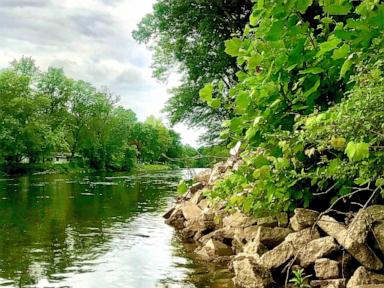
The water looked innocent enough from the bank. It always does. To anyone standing on the shore of a sluggish summer river, the surface is a polished mirror reflecting the cloudless afternoon, offering a cool promise on a heavy day. But a river is a living thing with a memory and a mood. It has deep pockets where the cold water traps you, and bends where the current whispers secrets it has no intention of giving back.
Two adults and a nine-year-old child stepped into that water for a day of tubing. They were looking for the simple, unburdened joy of floating. They wanted the sun on their shoulders, the gentle slap of small ripples against inflated vinyl, and the kind of lazy afternoon that feels like it might stretch on forever.
Instead, they vanished.
The Anatomy of a Vanishing
Time changes its shape when someone goes missing. Minutes stretch into hours, and hours harden into a cold, heavy silence. For the families left on the bank, the world shrinks to a pinpoint. The background noise of daily life simply evaporates, replaced by the sickening realization that nature does not negotiate, and it does not hurry.
When emergency dispatchers received the call, the initial details were sparse, fragmented by distance and panic. Tubing trips on winding rivers are notoriously difficult to track. There are no street signs on the water. There are no mile markers carved into the mudbanks. A group can drift around a single bend behind a wall of willow trees, and the rest of the world ceases to know they exist.
Search and rescue teams know this geography of dread intimately. They deploy not with hope alone, but with math, physics, and an understanding of hydraulics. Every tree strainer, every submerged boulder, every deep pool where back-eddies spin like slow-motion whirlpools becomes a potential question mark.
Night falls quickly when you are looking for someone. On a riverbank after dark, the shadows lengthen into monstrous shapes. The sound of crickets and the rushing water amplify every fear. Every ripple looks like a face. Every snap of a twig in the underbrush sounds like a footstep that might finally bring good news, or the confirmation of the worst.
The Human Element Behind the Headlines
News reports love efficiency. They give you the numbers, the agencies involved, and the eventual outcome in neat, tidy paragraphs designed to be consumed between sips of morning coffee. Two adults, nine-year-old found safe.
It sounds clinical. It sounds like an administrative update from a municipal ledger.
It fails to capture the sheer weight of what happened in the interim. It misses the mother staring downstream until her eyes burned, willing the water to give her child back. It misses the first responders who have wives and children of their own at home, wading into chest-deep, black water with flashlights that cut thin, nervous beams through the fog rising off the surface. It misses the quiet, shaking breath taken when a voice finally calls out from the dark, cutting through the rush of the rapids.
We treat safety as a permanent state of being rather than a delicate agreement we make with our environment every single day. We assume the ground will hold, the weather will behave, and the river will let us borrow its surface for an hour and return us unchanged.
The Rescue and the Return
When the missing trio was finally located, the relief was not cinematic. There was no soaring music or slow-motion running through the mud. Real rescue is quieter, heavier, and infinitely more profound.
They were cold. They were disoriented. They had spent hours hunkered down against the elements, watching the daylight fade while the wilderness grew indifferent to their plight. But they were breathing.
The reunion on the shore is the kind of moment that defies transcription. It is measured in tight, desperate embraces, in tears that mix with river mud, and in the sudden, overwhelming realization that the ordinary world—with all its mundane worries and trivial complaints—is an absolute miracle to return to.
Rivers keep flowing. They do not care about the drama they left in their wake. By the next morning, the water was moving past the same trees, past the same rocks, indifferent to the terror it had casually hosted only hours before. But the people who walked away from the bank that night were permanently altered. They learned the hard way how thin the barrier is between a normal Tuesday and an absolute nightmare.
As the sun comes up over the water again, the mist rises like a ghost lifting off the surface, leaving the river looking peaceful, quiet, and profoundly deceptive.