The boarding pass in Elena's palm was already damp from the humidity of the Hong Kong departure lounge.
It was 6:00 AM on a Friday, and the neon hum of Chek Lap Kok felt less like a gateway to adventure and more like a waiting room for a verdict. Two weeks of meticulous planning—rail passes purchased months in advance, ryokan reservations locked into calendar alerts, the specific itinerary for a Kyoto morning walk sketched out in the margins of a paperback—all hinged on a single word from the meteorological observatory.
Typhoon.
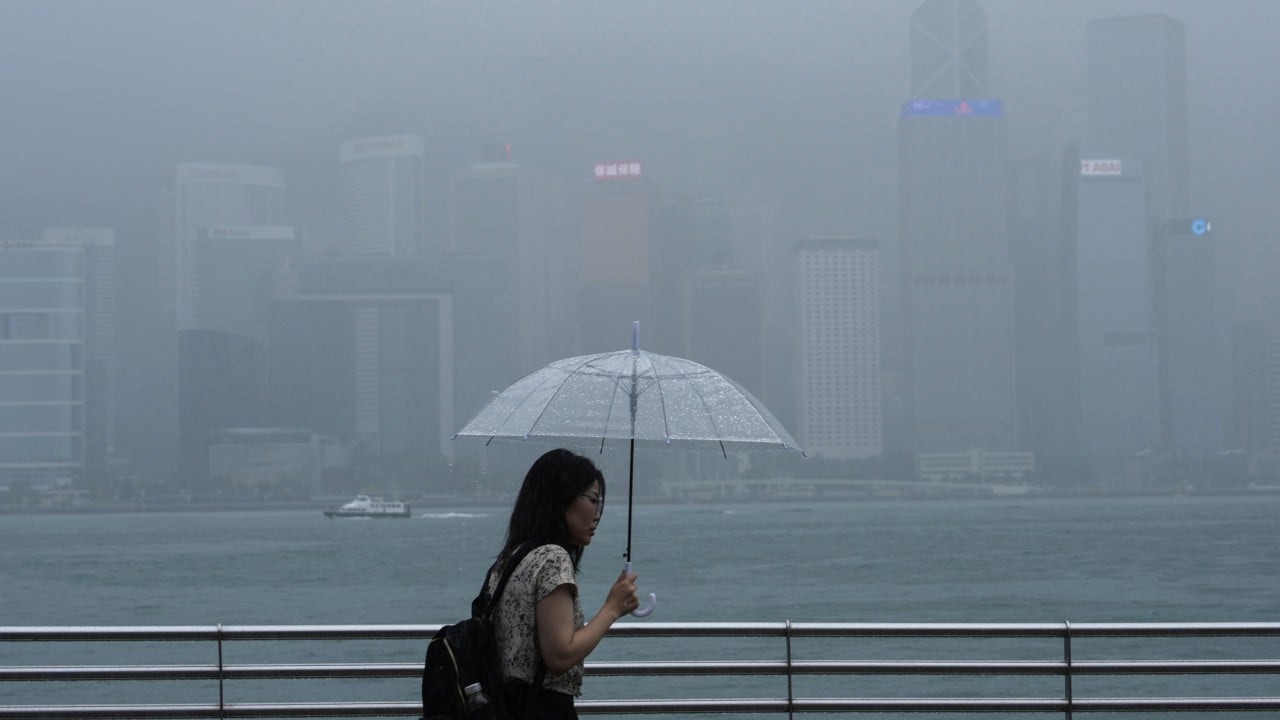
The word alone carries a physical weight in this city. It evokes shuttered windows, groaning bamboo scaffolding, and the eerie, pressurized quiet that settles over Victoria Harbour just before the gusts hit. Yet, as the morning briefing flickered onto the airport's central departures board, the reality was stranger, more frustrating, and infinitely more anticlimactic than a direct hit.
The storm wasn't coming for them. Not yet. The official signal remained stubbornly low, making a major tropical cyclone warning over the weekend unlikely.
And yet, eighteen flights to Japan were already gone.
Consider what happens next: the quiet fracture of anticipation.
To the casual observer checking weather apps from a comfortable armchair thousands of miles away, the math seems simple. If the local storm signal is low, the planes should fly. Why cancel a flight when the skies overhead are merely gray and moody?
The answer lies in the invisible choreography of global aviation. A flight does not simply sit at a gate waiting for permission to push back; it is part of an unbroken chain of moving metal, shifting crews, and precise timing. Planes scheduled to touch down in Tokyo, Osaka, or Fukuoka must be able to land safely, turn around, and return. When meteorological models show instability gathering over the western Pacific, airline dispatchers are forced to play out worst-case scenarios hours, sometimes days, in advance. They look at crosswinds, shifting pressure systems, and the safety margins of neighboring airspace.
Safety is rarely dramatic. Most of the time, it looks like a spreadsheet updated in the dead of night, resulting in eighteen sudden red letters stamped across a monitor screen.
Elena stared at the word Canceled blinking next to her flight number.
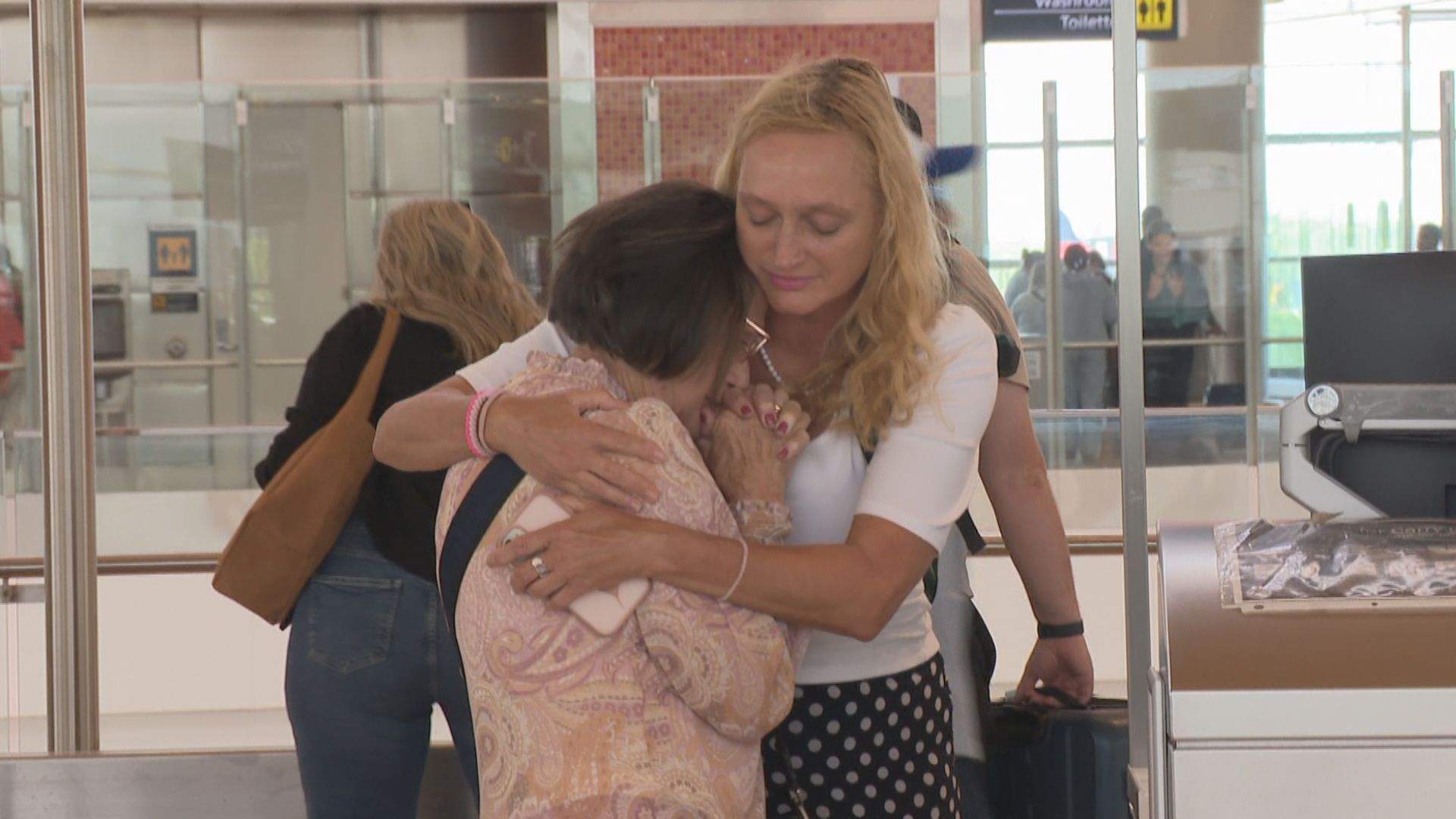
Around her, the terminal reacted in the universal language of disrupted travel. A family with two toddlers slumped onto their carry-on bags, a half-eaten box of pineapple buns resting between them. A businessman in a crisp suit stood frozen in front of a customer service counter, his phone pressed to his ear, listening to the hollow, rhythmic ringing of an airline hotline that was already handling ten thousand simultaneous crises.
We forget that travel is ultimately an emotional act. We invest our hopes into these aluminum tubes. We use them to mark milestones, to heal from burnout, to reunite with people whose faces we only see through glowing screens. When a storm disrupts that journey without even having the decency to arrive in full fury, the disappointment feels oddly weightless and heavy all at once. There is no epic disaster to rail against, no heroic struggle. Just a canceled ticket, a voucher for a hotel room near the airport, and the sudden, awkward realization of an unscheduled weekend back where you started.
Outside the panoramic windows of the terminal, the harbor stretched out, flat and gray.
The water was calm. The cranes of the container port stood motionless against the horizon. Down on the tarmac, baggage carts idled in long, orderly rows, their drivers sheltering from a heat that felt trapped beneath the heavy cloud cover.
By midday, the news updates would cycle through the predictable bullet points. Forecasters would reiterate that the weekend signal would likely stay below the threshold that triggers citywide shutdowns. Commuters would breathe a sigh of relief, knowing their Monday morning tram rides to Central would proceed without the chaos of a suspended transit network. Office workers would pack their umbrellas away.
But for those eighteen flights, the damage was already done. The passengers had dispersed back through immigration, their passports tucked away, their luggage rolling behind them with a hollow, plastic click against the polished floor tiles.
The storm didn't need to strike to change everything. Sometimes, the mere shadow of it is enough to alter the course of a thousand lives, freezing time in a departure lounge while the rest of the world keeps spinning.