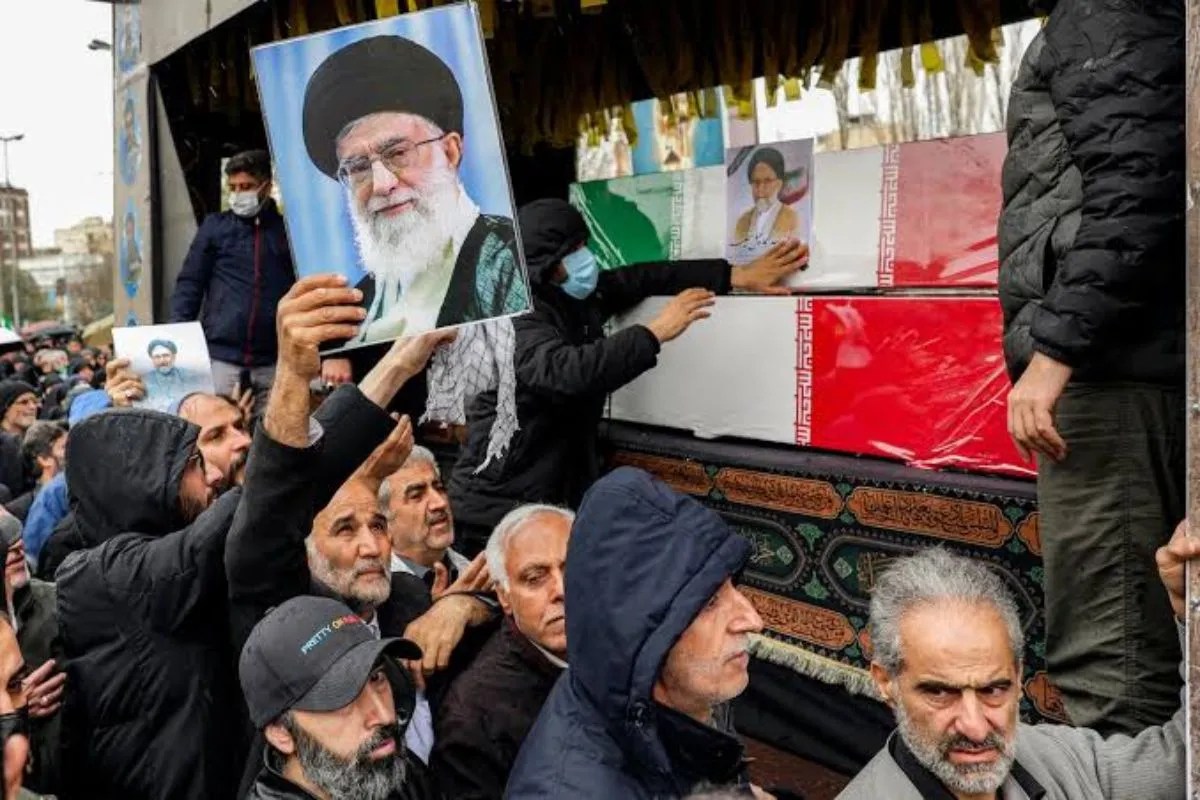
The internal stability of a nation state undergoing protracted geopolitical conflict cannot be measured solely by military readiness; it is defined by the systemic degradation of its domestic economy and social fabric. While mainstream reporting focuses on the immediate trauma of casualties and targeted strikes, the true structural collapse occurs within the civilian framework through hyperinflation, labor market paralysis, and psychological attrition. Examining the current state of Iran reveals a multi-layered crisis where macroeconomic instability directly compounds human suffering, turning a geopolitical confrontation into an existential domestic crisis.
The Dual-Engine Drivers of Domestic Strain
The economic reality inside Iran operates under two distinct but reinforcing pressures: external sanctions and the internal reallocation of capital toward military infrastructure. When a state shifts its focus to defense, civilian markets face immediate resource starvation. This transition manifests in three structural bottlenecks.
1. Capital Flight and Curricular Deprecation
The local currency faces systemic devaluation as citizens and domestic firms rapidly convert liquid assets into hard currencies or physical commodities like gold. This structural flight strips the banking sector of liquidity, driving up the cost of borrowing and freezing domestic investment.
2. Supply Chain Contraction and Inflationary Friction
Sanctions combined with wartime logistical disruptions restrict the import of intermediate goods and raw materials. For a manufacturing sector reliant on foreign inputs, this creates an immediate production ceiling. When supply contracts sharply while the money supply expands to fund state expenditures, hyperinflation becomes structural rather than transitory. The price of basic dietary staples and medical supplies rises exponentially, outpacing nominal wage growth.
3. Labor Market Paralysis
As commercial enterprises face rising input costs and plummeting domestic demand, business viability deteriorates. Employers respond by freezing hiring, cutting shifts, or initiating mass layoffs. The informal economy expands, but because it lacks regulatory protection or steady wage growth, it fails to absorb the workforce effectively. Specialized labor pools, particularly in technology and engineering, face systemic underemployment or choose emigration, accelerating a long-term brain drain.
The Micro-Level Cascade: From Macroeconomics to Individual Ruin
Macroeconomic indicators eventually convert into individual realities. The intersection of economic collapse and civilian casualties creates a profound psychological and social crisis, particularly for vulnerable populations and isolated individuals.
When military strikes impact civilian areas, the loss of life is accompanied by the destruction of generational wealth. Homes, small businesses, and localized infrastructure are obliterated, removing the economic safety nets that families rely on to survive systemic inflation. For individuals who lose their entire family unit to conflict, the crisis ceases to be merely financial; it becomes an existential survival trap.
In a stable society, social safety nets—both state-sponsored and informal community networks—absorb individuals who have suffered catastrophic personal loss. In a wartime economy, these networks fracture. The state redirects welfare budgets toward defense spending and critical infrastructure repair, leaving social security programs underfunded. Concurrently, extended families and neighbors, struggling under the weight of their own economic survival due to hyperinflation and job loss, lack the surplus resources required to support dependents outside their immediate household.
This creates a structural bottleneck for vulnerable individuals, particularly women and youth, who face a collapsed job market with no institutional or familial cushion. The psychological toll of isolation is thus directly exacerbated by the immediate material threat of destitution.
Structural Vulnerabilities in State Stabilization Efforts
Governments facing this level of internal erosion typically attempt intervention through price controls, subsidies, and currency pegging. However, these mechanisms carry inherent limitations that often worsen the underlying friction.
Artificial price ceilings on essential goods are designed to protect consumers from inflation, but they consistently result in black market creation and hoarding. Producers, unable to cover their rising input costs under government-mandated price caps, either cease production or divert their inventory to unregulated parallel markets where goods sell at a premium. The official supply dries up, leaving citizens dependent on highly inflated black-market rates.
Direct cash transfers or subsidies intended to alleviate poverty add liquidity to the market without a corresponding increase in output. This increases the velocity of money in a supply-constrained environment, ultimately fueling the inflationary cycle the state seeks to contain.
The Strategic Trajectory
The current trajectory indicates that the internal pressure within Iran is shifting from a acute crisis to a chronic state of structural exhaustion. The long-term stability of the state depends on its ability to secure alternative trade corridors and external capital injections to stabilize its currency, alongside a necessary de-escalation of regional friction to restore domestic commercial confidence. Without these structural corrections, the compounding effects of a paralyzed labor market, unchecked inflation, and social fragmentation will continue to degrade the domestic baseline, making long-term economic recovery increasingly difficult to realize.