Rain in Sao Paulo does not fall politely. It arrives like a falling sky, heavy and sudden, turning red clay streets into rushing rivers of mud. If you are small, and have four legs, and possess nothing in this world save for a matted coat and a hollow belly, that rain is a sentence.
Most people look away. You might also find this connected coverage insightful: Why Appealing To The United Nations On PoJK Is A Waste Of Time.
Dais Amaral looked closer.
He is a truck driver by trade. His hands know the grip of a heavy steering wheel, the grind of shifting gears, the exhausting rhythm of long highways stretching into the exhausting Brazilian night. But when those highways end, and the engine cuts out, another kind of work begins. A quieter work. A work born of sawdust, discarded pallets, and a stubborn refusal to accept that some lives are simply disposable. As extensively documented in recent articles by TIME, the effects are significant.
The Architecture of Mercy
Consider the raw materials. Shipping pallets discarded behind warehouses. Leftover plywood from construction sites. Sheets of corrugated tin destined for the scrap heap. To a developer, it is trash. To Amaral, it is raw potential.
He stands in his small backyard workshop, surrounded by the scent of pine shavings and damp earth. A hammer rises. A nail drives home.
Clack. Another wall goes up.
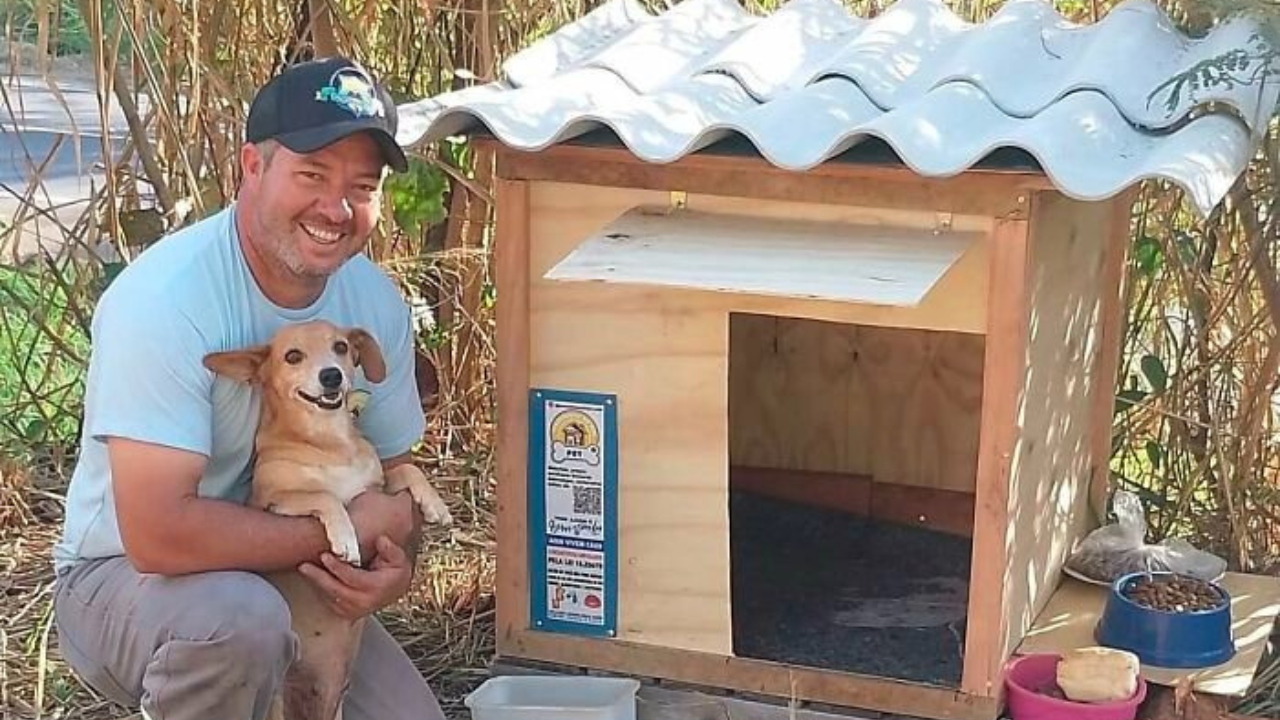
He does not build mere boxes. He builds architecture designed for survival. Each structure is elevated off the damp ground so rising floodwaters cannot reach sleeping paws. Roofs are layered with waterproofing to block the relentless summer heat and the freezing winter downpours. Some feature tiny porches. Others have split levels, tailored specifically for litters of kittens who need a safe corner away from larger, boisterous dogs.
Over the years, the tally has quietly climbed past one thousand seven hundred.
One thousand seven hundred homes.
Think about that number. It represents a small village of safety constructed entirely by a single pair of calloused hands, funded out of a pocket that was never deep to begin with.
The Cost of Compassion
Compassion is rarely convenient.
When Amaral first started hauling scrap wood into his yard, neighbors whispered. Some complained about the noise. Others worried about the growing number of stray animals gravitating toward his property like a gravitational pull toward warmth. Feeding one stray dog is an act of charity. Feeding dozens, and housing hundreds across the city, is an logistical nightmare.
The math is brutal. Wood costs money, even when it is scrap. Nails, hinges, paint, and roofing sealant add up. And then there is the food. Bags of kibble do not materialize from thin air. Amaral spends a significant portion of his hard-earned truck driver salary on provisions, stretching every real until it screams.
There were mornings when the exhaustion threatened to break him. Driving for ten hours through the night leaves a man hollowed out. Walking out into the morning chill to clean shelters, distribute food, and patch up a chewed-through wooden wall requires a reservoir of spirit that defies human limits.
Yet, he kept hammering.
Why?
Because he knows what the alternative looks like. He has seen the emaciated ribs of puppies shivering beneath parked cars. He has watched cats flatten themselves against brick walls, trying to become invisible to a hostile world.
Beyond the Shelter
What makes Amaral’s work extraordinary is not just the physical volume of wood transformed into sanctuary. It is the philosophy behind it.
A stray animal is not merely a nuisance to be managed or a statistic to be ignored. It is an individual life shaped by abandonment. When you give a dog a roof, you give it dignity. When you give a cat a dry box, you give it peace.
Across Brazil, animal welfare organizations struggle with systemic overcrowding. Municipal shelters are perpetually underfunded, understaffed, and overwhelmed. In this bleak landscape, grassroots efforts like Amaral's fill a desperate void. He doesn't wait for government grants or committee approvals. He sees a problem, grabs a saw, and solves it right there in the dirt.
His phone rings at odd hours. Local residents spot a stray mother cat hiding under a bridge with her newborns. They call Amaral. He packs a custom-built shelter into the back of his truck, drives out into the dusk, and sets up a haven before the evening storm breaks.
The Ripple Effect
Change is contagious.
As stories of the truck driver building wooden palaces spread through local news and social media, something shifted in the community. People who once ignored the stray dogs sleeping on their doorsteps started leaving out bowls of water. Local hardware store owners began setting aside damaged timber instead of throwing it away, quietly donating it to the cause.
Children from the neighborhood wander over to watch him work. They hand him nails. They hold the measuring tape. They learn a lesson far more powerful than any textbook curriculum: that kindness is a practical, physical act. It requires sweat. It requires getting your hands dirty.
The houses are painted in bright, cheerful colors—blues, yellows, greens. They look like a row of miniature beach huts dropped into the dusty alleys and overgrown lots of an unforgiving city.
In a world that often feels entirely transactional, where value is measured strictly in currency and status, these little wooden boxes stand as stubborn monuments to empathy.
The sun dips below the horizon, painting the Sao Paulo sky in bruised shades of purple and orange. The air turns brisk. Out in the alleyways, away from the glittering high-rises and the rushing traffic, a tiny black kitten curls up inside a brightly painted box, safe from the wind, listening to the steady, comforting thrum of the night.
Amaral wipes the sawdust from his brow, loads his tools into the back of his truck, and looks toward tomorrow.