The diplomatic gloves are officially off.
The United States just slapped a heavy 25% tariff on a massive chunk of Brazilian imports. Right on cue, U.S. Secretary of State Marco Rubio took to social media to claim Brazilian President Luiz Inácio Lula da Silva put his own "ego" ahead of a trade deal.
Brazil did not stay quiet.
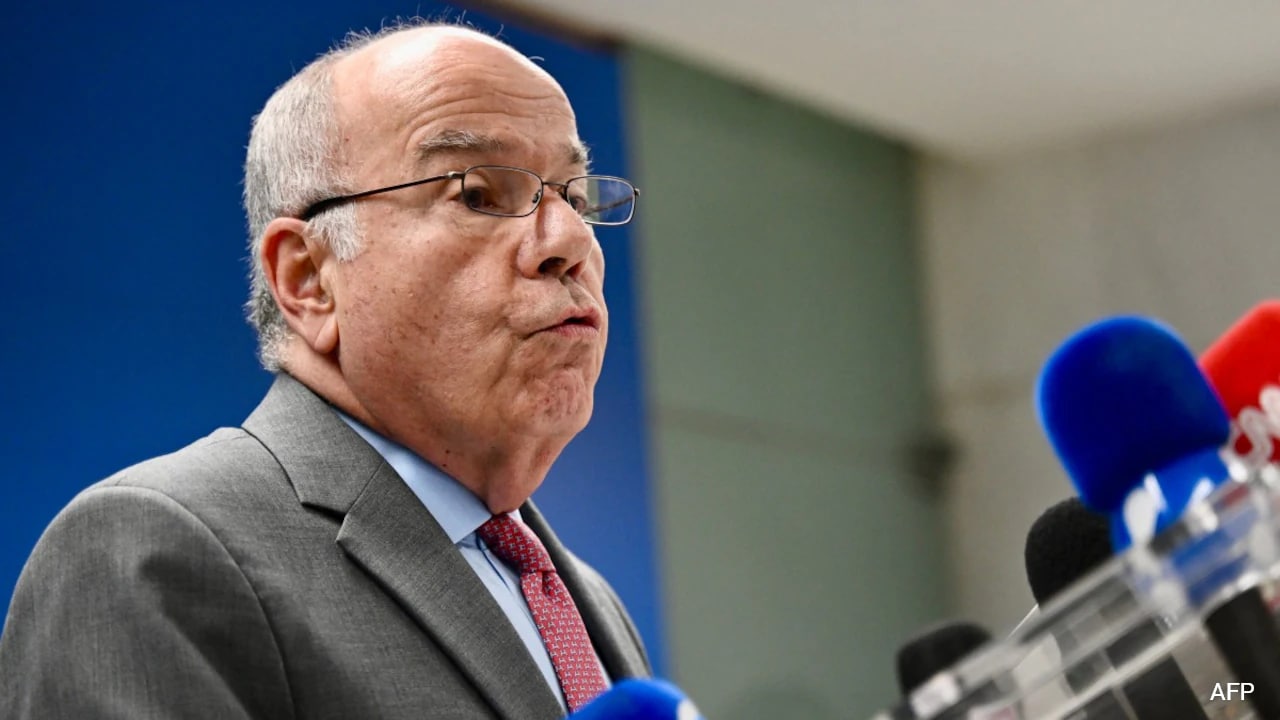
Foreign Minister Mauro Vieira quickly held a press conference in Brasilia. He called Rubio’s comments "unacceptable, offensive," and characterized the post as a "crude and arrogant attack" on a friendly head of state.
This is not just another Twitter spat between politicians who do not like each other. It is a full-blown trade war. It threatens billions of dollars in commerce, complicates supply chains, and shows how quickly political grudges can disrupt actual business. If you trade with South America, you need to pay attention.
Why the Marco Rubio Lula Spat Matters
At its core, this fight is about sovereignty versus superpower pressure. The United States remains the world's largest economy, but Brazil is the tenth-largest and a dominant force in the southern hemisphere. Under Lula, Brazil has actively sought to chart its own course, often refusing to bow to Washington's demands on global trade and foreign policy.
Washington is showing its frustration.
Rubio blamed Lula's government for refusing to negotiate in good faith. Brazil fires back that it has constantly sought dialogue, but will not accept deals that compromise its domestic industries.
The fallout from this dispute is immediate. The new 25% tariffs, set to take effect next Wednesday, target an estimated $7.4 billion worth of Brazilian goods. That is roughly 18% of everything Brazil exports to the United States.
U.S. Tariffs on Brazil: Quick Stats
- Tariff Rate: 25%
- Effective Date: Next Wednesday
- Trade Affected: $7.4 Billion (18% of Brazil's exports to U.S.)
- Key Affected Sectors: Sugar, agricultural machinery, apparel, paper
The Multi Billion Dollar Damage Report
The economic shockwaves of this decision will hit both sides of the equator. While some key goods like coffee, beef, oranges, and aircraft components are exempt to protect American consumers and supply chains, thousands of other products are not.
If your business relies on any of the following Brazilian imports, your costs are about to spike:
- Agricultural Machinery: American farmers relying on imported Brazilian equipment will face steep price increases.
- Sugar and Food Prep: Brazil is a massive global sugar supplier. A 25% tax makes those raw inputs highly expensive for U.S. food manufacturers.
- Apparel and Textiles: Clothing brands sourcing materials from Brazil will have to absorb the tariff or pass the cost to shoppers.
- Paper and Wood Products: Industrial paper imports will feel the squeeze immediately.
This comes on top of previous protectionist moves. The Trump administration already had a 50% tariff in place on various Brazilian imports from last year, which was openly linked to political fights over former President Jair Bolsonaro. Add a potential extra 12.5% tariff from a separate labor investigation due later this month, and some Brazilian goods could face a staggering 37.5% tax burden.
It is a mess.
The Absurd Excuses for Punishing Brazil
Washington claims these tariffs are a response to "unfair trade practices." When you look closely at the details, those claims start to look like thin excuses for protectionism.
Take Pix, for example.
Pix is Brazil’s incredibly popular, instant payment system run by its central bank. It is fast, efficient, and mostly free for citizens. Because of Pix, millions of Brazilians do not need to use high-fee credit cards anymore. Yet, the U.S. government argues that Pix disadvantages American credit card companies.
Think about that. The U.S. is using trade tariffs to punish a foreign country for developing a highly efficient, free public payment system just because it hurts the profits of Wall Street credit card giants.
The U.S. also cited concerns over illegal deforestation. While environmental protection is a valid global concern, using it as a pretext for sudden trade barriers feels highly political to officials in Brasilia. Brazil has rejected these allegations, pointing out that its environmental enforcement has actually tightened under the current administration.
The Shadow of the Bolsonaro Family in Washington
You cannot understand this trade war without looking at Brazil's intense domestic politics.
Lula's main political rivals are the Bolsonaro family. Senator Flávio Bolsonaro, son of the former president and a candidate for the upcoming October elections, visited Washington back in May. He met with Donald Trump, Marco Rubio, and other key officials.
Lula’s government blames the Bolsonaros for actively lobbying the U.S. to punish Brazil. The theory is simple: if the Bolsonaros can convince their allies in Washington to wreck Brazil's economy, voters might blame Lula and elect a conservative candidate in October.
Flávio Bolsonaro did not hide his satisfaction with Rubio’s attacks. He quickly reposted Rubio’s statement on social media, calling Lula "no longer fit to be the president" and comparing him to Joe Biden.
But this strategy is incredibly risky.
Brazilian business owners—even those who do not like Lula—are furious about these tariffs. No corporate executive wants their profit margins destroyed to help a politician win an election. Political analyst Thomas Traumann pointed out that this move could easily backfire on the Bolsonaro family. It leaves a clear paper trail showing that Flávio Bolsonaro's Washington meetings resulted in billions of dollars of damage to Brazilian businesses. It makes him look submissive to foreign interests rather than a defender of Brazil.
How Brazil Plans to Fight Back
Brazil is not going to take this lying down. Foreign Minister Vieira has already announced that the country is preparing strong reciprocal measures.
Right now, the trade relationship is highly unequal. In 2025, 76% of U.S. imports entered Brazil completely duty-free. The average tariff Brazil applied to U.S. products was a tiny 3.1%.
That is going to change. Brazil is planning to raise tariffs on key American goods and file a formal dispute with the World Trade Organization.
More importantly, Brazil is simply looking elsewhere.
For the first time in two centuries, exports to the United States make up less than 10% of Brazil’s total trade. Brazil is aggressively diversifying its trading partners. It is deep in negotiations with Canada and expanding its trade networks through Mercosur and China. By shutting out Brazilian products, the U.S. is pushing South America’s economic engine directly into the arms of other global powers.
Action Plan for Businesses Caught in the Crossfire
If your business relies on trade between the U.S. and Brazil, you cannot afford to wait and see how this political soap opera plays out. You need to protect your bottom line immediately.
First, review your supply chain contracts. If you import agricultural machinery, sugar, or industrial paper from Brazil, check if your pricing agreements account for sudden tariff hikes. You may need to renegotiate terms or split the tariff burden with your suppliers.
Second, look for alternative sourcing. If a 25% tariff ruins your margins, start vetting suppliers in countries that still enjoy favorable trade terms with the U.S.
Third, monitor the exemptions closely. The current list exempts coffee, beef, and aircraft parts, but these lists can change quickly as negotiations or retaliatory actions ramp up.
Politics is messy, but business has to keep moving. Do not let a war of words between Washington and Brasilia catch you unprepared.