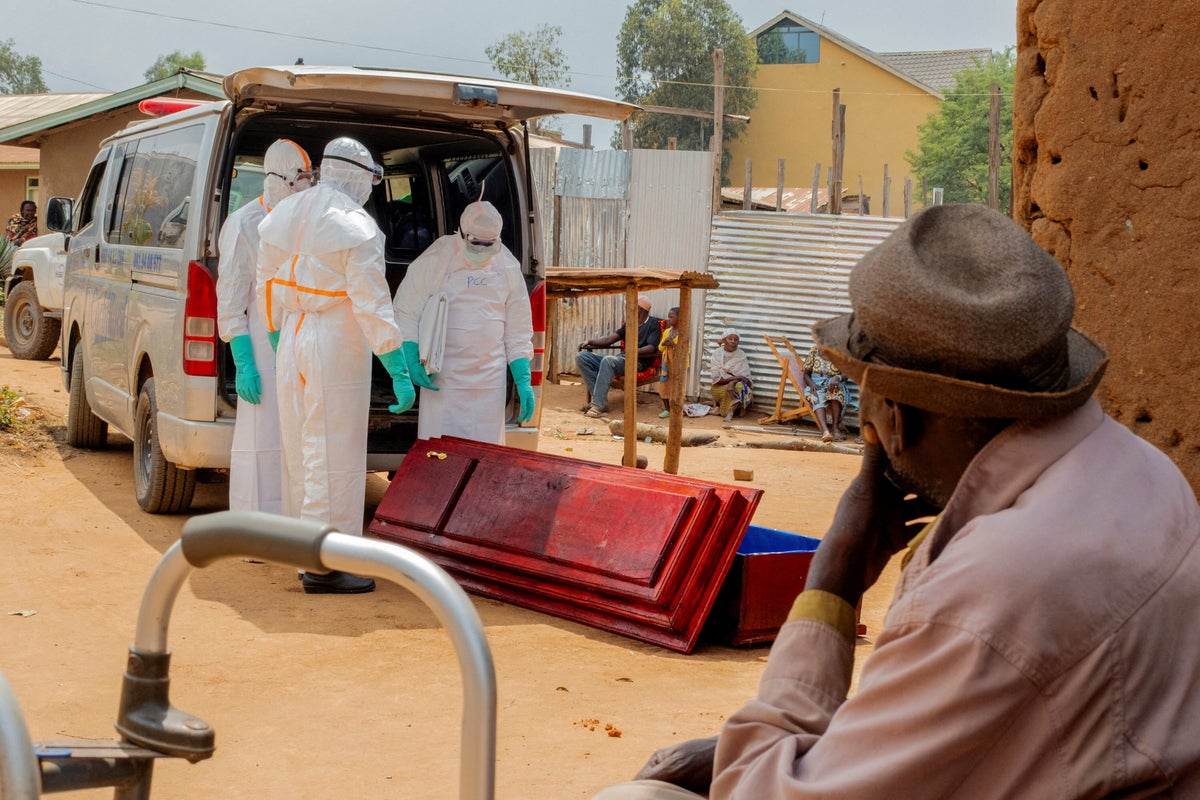
The modern economics of infectious disease are governed by a severe asymmetry. While the marginal cost of a single prophylactic vaccination is measured in tens of dollars, the aggregate expenditure triggered by a single imported case of measles scales exponentially through systemic disruption, emergency containment, and lost productivity. A documented multi-million-dollar price tag for a localized outbreak is not an anomaly; it is the baseline mathematical output of public health infrastructure responding to an R0 value that routinely exceeds 12. When population immunity slips below the critical threshold, herd protection fails, turning a preventable pathogen into an immediate operational and fiscal liability for healthcare systems, municipal budgets, and private enterprises.
The Transmission Mechanics and Herd Immunity Thresholds
Measles remains one of the most contagious human viruses known. Its high transmissibility is driven by airborne persistence—the virus can linger in an enclosed space for up to two hours after an infected person has departed—and a high secondary attack rate among susceptible contacts.
To evaluate systemic risk, public health epidemiologists rely on the basic reproduction number, designated as R0. For measles, R0 typically falls between 12 and 18. This means a single uncontained case in a naive population will, on average, infect up to 18 other people.
The mathematical requirement for herd immunity is dictated by the equation:
$$1 - \frac{1}{R_0}$$
Given an R0 of 15, the population immunity threshold must exceed 93% to 95% continuously. When vaccine coverage drops even two percentage points below this threshold in localized communities or schools, the effective reproduction number rises above 1, sparking self-sustaining chains of transmission.
The primary driver of modern outbreaks is not a failure of vaccine efficacy—two doses of the measles, mumps, and rubella vaccine confer approximately 97% lifelong immunity—but rather the concentration of pockets of vaccine hesitancy and administrative gaps in school entry verification.
The Cost Function of an Outbreak
Quantifying the economic fallout of a measles outbreak requires looking past direct inpatient hospitalization bills. Total economic loss is a function of three distinct cost vectors: direct medical expenditures, public health operational overhead, and indirect productivity losses.
Direct Medical Expenditures
When a case presents in a clinical setting, isolation protocols must be executed instantly to prevent nosocomial spread. Suspected patients cannot sit in general waiting rooms. They require negative pressure rooms or immediate isolation, placing an immediate strain on emergency department capacity. Severe complications—such as acute otitis media, pneumonia, and acute encephalitis—require intensive inpatient care, intravenous therapy, and specialized pediatric or critical care staffing.
Public Health Operational Overhead
Containment is labor-intensive. Local health departments must deploy epidemiological strike teams to execute contact tracing at scale. Every confirmed case generates dozens, sometimes hundreds, of exposed contacts who must be identified, interviewed, and assessed for immune status.
Unvaccinated contacts are subjected to mandatory quarantine periods lasting up to 21 days. This mandates massive logistical deployment: staffing phone banks, issuing formal quarantine orders, monitoring compliance, and administering post-exposure prophylaxis via the MMR vaccine within 72 hours of exposure or immune globulin within six days for vulnerable populations.
Indirect Productivity Losses
The hidden multiplier in any outbreak ledger is lost economic output. Quarantined children cannot attend school, forcing parents or guardians to miss work to provide home supervision. Healthcare workers who are exposed and lack documented immunity must be furloughed from clinical duties for three weeks, exacerbating acute staffing shortages in regional hospitals.
Businesses face absenteeism shocks, and local retail or hospitality sectors absorb consumer avoidance behavior as public warnings mount regarding exposure sites.
Systemic Vulnerabilities in Modern Containment
The resurgence of measles in developed economies highlights structural decay in public health surveillance and administrative enforcement. Three structural fault lines consistently undermine containment efficiency.
Verification Latency
The time elapsed between symptom onset, clinical presentation, laboratory confirmation, and public health notification dictates the velocity of an outbreak. Delays in diagnostic testing—often caused by physicians failing to recognize a disease they have rarely or never encountered in clinical practice—allow infectious individuals to circulate freely through public spaces for days. Each 24-hour delay in isolation expands the secondary contact network exponentially.
Enforcement Variance in Non-Medical Exemptions
While federal and state frameworks mandate vaccination for school attendance, wide variance in the ease of obtaining non-medical or philosophical exemptions creates geographic clustering. These clusters function as epidemiological tinderboxes. High-density exemption pockets reduce local immunity far below the 95% threshold, allowing an imported case to burn rapidly through social networks before containment measures can be mobilized.
Payer Fragmentation and Resource Allocation
Public health departments are chronically underfunded relative to acute care systems. When an outbreak occurs, municipal agencies must abruptly divert personnel from chronic disease prevention, maternal health, and routine immunization drives to execute emergency contact tracing. This reallocation creates secondary vulnerabilities across the broader health ecosystem.
Furthermore, friction between private insurers, state health departments, and hospital systems regarding who absorbs the uncompensated care costs of outbreak containment slows rapid-response deployment.
Strategic Allocation of Capital and Operational Defense
Mitigating the fiscal and human toll of vaccine-preventable outbreaks requires transitioning from reactive containment to proactive structural reinforcement. Healthcare systems and institutional operators must deploy targeted interventions designed to eliminate vulnerability windows before a pathogen is introduced.
Automated Immunization Auditing
Schools and large employers should integrate automated health record registries that flag immunity gaps prior to the start of operational cycles. Relying on manual paper-card verification creates administrative blind spots that allow unimmunized individuals to slip through compliance checks. Real-time digital registries coupled with automated warning triggers can close these gaps months before viral exposure occurs.
Rapid Diagnostic Integration
Primary care networks must deploy point-of-care educational protocols and expedited PCR testing pathways for febrile rash illnesses. Reducing the diagnostic confirmation window from four days to twelve hours cuts the effective contact window by over 70%, arresting transmission chains before secondary amplification occurs.
Enterprise Continuity Planning for Biosecurity
Organizations operating high-density facilities—such as universities, corporate campuses, and transport hubs—must establish pre-approved biosecurity protocols. These protocols should pre-define criteria for internal contact tracing assistance, rapid deployment of occupational health screening, and clear communication channels with local public health authorities.
Treating infectious disease preparedness as a core component of enterprise risk management ensures that an imported pathogen is met with immediate, institutionalized friction rather than ad-hoc improvisation.
The marginal economics of prevention remain vastly superior to the compounding expenditures of remediation. Until institutional frameworks enforce immunity baselines with the same rigor applied to structural safety and environmental compliance, localized outbreaks will continue to exact multi-million-dollar tolls on an avoidable baseline.