The Convergence of Geopolitical Volatility and Domestic Economic Friction
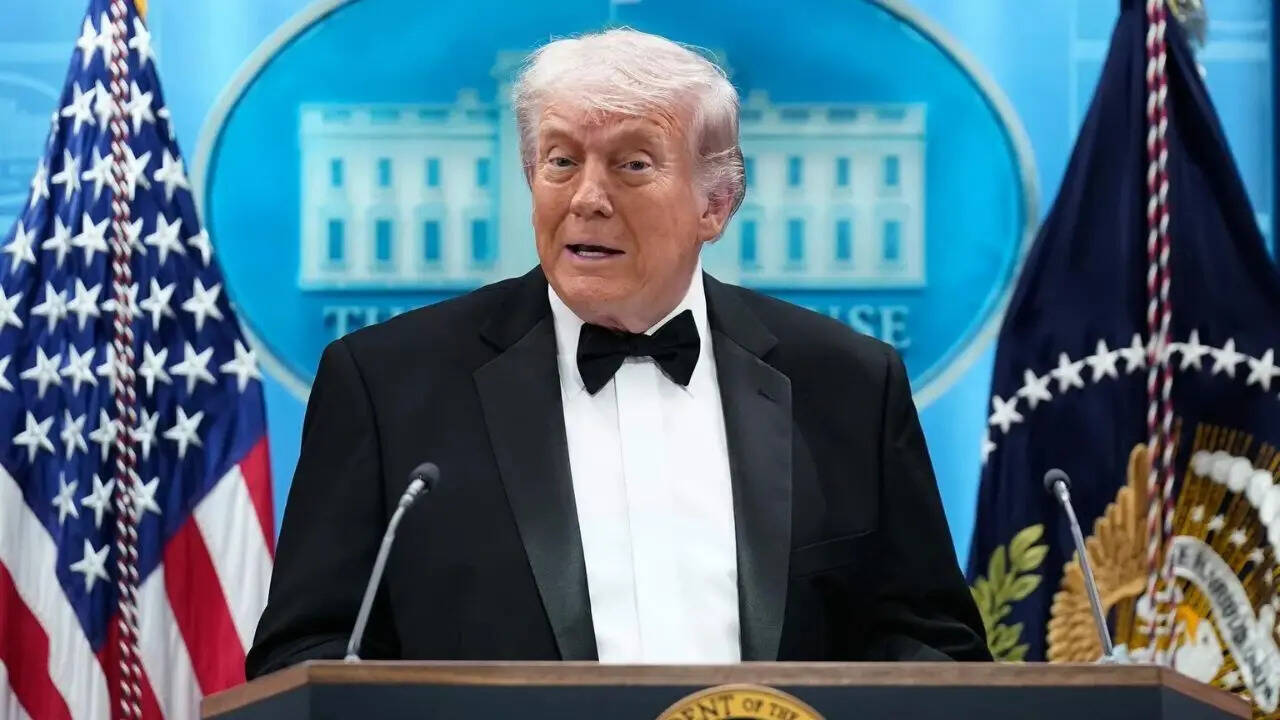
The correlation between foreign policy escalations and domestic approval ratings is rarely linear. While the "rally 'round the flag" effect often provides a temporary bump in executive sentiment during the onset of conflict, this support remains fragile. The current decline in Donald Trump’s approval metrics indicates a failure of this traditional mechanism, primarily because the geopolitical friction with Iran has synchronized with a sharp spike in energy costs and a broader inflationary squeeze on the American household.
The erosion of political capital can be mapped through three distinct but intersecting vectors: the diminishing returns of military posturing, the immediate pass-through effect of global oil prices to the consumer, and the cumulative psychological weight of rising core inflation. When these factors align, the executive loses the ability to frame the narrative as one of national strength, as the immediate financial pain of the electorate overrides abstract foreign policy objectives.
The Geopolitical Risk Premium and Energy Transmission
Energy prices serve as the most direct link between Middle Eastern instability and the American voter’s daily life. The threat of a kinetic conflict in the Strait of Hormuz—a chokepoint responsible for approximately 20% of the world's liquid petroleum consumption—triggers an immediate geopolitical risk premium in Brent and WTI crude markets.
The Petroleum Feedback Loop
The mechanism through which fuel prices degrade approval ratings is structural. Unlike discretionary spending, transportation fuel is a "must-buy" commodity with relatively low price elasticity in the short term.
- Direct Input Costs: As crude prices rise, refiners pass costs to the pump within 48 to 72 hours. This provides a visible, daily reminder of economic instability.
- Logistical Surcharge: The surge in diesel prices increases the cost of freight and last-mile delivery, which manifests as "shrinkflation" or direct price hikes in grocery stores and retail outlets.
- Consumer Sentiment Contraction: High gas prices act as a regressive tax, disproportionately impacting lower and middle-income demographics—the very cohorts that form the bedrock of the Trump populist coalition.
The current administration faces a dilemma: aggressive rhetoric intended to project strength simultaneously signals market instability, driving up the very prices that undermine the domestic mandate. This creates a feedback loop where the pursuit of foreign policy leverage directly cannibalizes domestic political support.
Analyzing the Cost-of-Living Crisis via the Misery Index
The traditional "Misery Index"—the sum of the unemployment rate and the inflation rate—provides a snapshot of the economic environment, but it fails to capture the nuance of the current "Cost-of-Living" squeeze. To understand the approval drop, we must look at the divergence between official CPI (Consumer Price Index) data and the perceived cost of essential goods.
The Structural Weight of Essentials
The approval rating decline is not merely a reaction to a single data point; it is a response to the rising cost of the "Non-Discretionary Basket." This includes:
- Shelter and Rent: Housing costs remain the largest single expenditure for the average American. Sustained high interest rates, while intended to curb inflation, have frozen the housing market and kept rental prices elevated.
- Insurance Premiums: There has been a significant, often overlooked surge in auto and home insurance premiums, driven by increased replacement costs and climate-related risks.
- Energy and Utilities: Beyond the gas station, the cost of heating and electricity is rising as the power grid faces both transition costs and increased demand.
The administration’s messaging often focuses on "macro" indicators like GDP growth or low unemployment. However, these metrics are increasingly decoupled from the "micro" reality of household cash flow. When the cost of survival outpaces wage growth, the incumbent executive is held responsible regardless of the complexity of the global supply chain.
The Logic of Military Fatigue and Approval Elasticity
The Iranian conflict represents a shift in the voter's appetite for intervention. Unlike the early 2000s, the American electorate displays a high degree of "intervention fatigue." The strategic logic that worked for previous administrations—unifying the country against an external adversary—now faces a cynical public that weighs the cost of war against the decay of domestic infrastructure.
The Credibility Gap in Conflict Escalation
The drop in approval reflects a skeptical middle-ground voter who perceives the conflict not as a necessary defense of national interest, but as an avoidable distraction from domestic priorities. The "Rally Effect" is negated by:
- Transparency of Motive: In a hyper-connected media environment, voters are more likely to view foreign policy maneuvers through a partisan lens, reducing the unifying power of the Commander-in-Chief role.
- Fiscal Accountability: There is an increasing awareness of the opportunity cost of military expenditure. Each billion dollars allocated to naval deployments in the Persian Gulf is viewed through the lens of what it could have done for domestic border security or healthcare costs.
Demographic Erosion and the Coalition Breakdown
The most critical data points in this approval slide are found within the specific demographics that flipped the 2016 and 2020 cycles. Specifically, the "Squeezed Middle" in Rust Belt states is showing signs of decoupling from the administration.
The Suburban and Rural Divide
While the rural base remains culturally aligned with the administration, the economic pressure is testing the limits of that loyalty. Rural voters, who often drive longer distances and have higher energy needs, are more sensitive to the surge in fuel prices. Simultaneously, suburban voters—who are more likely to be sensitive to the stability of their 401(k)s and the volatility of the stock market—are reacting poorly to the uncertainty created by the Iran situation.
The risk for the Trump administration is a "pincer movement" of disapproval: rural supporters alienated by the cost of living, and suburban moderates alienated by the threat of an uncontrolled regional war.
The Strategic Path Forward: De-escalation as Economic Policy
To stabilize and recover approval ratings, the administration must pivot from a military-centric posture to an economic-recovery framework. This requires a three-pronged tactical shift:
- Energy Market Stabilization: The administration must signal a predictable, long-term energy policy that includes both the release of Strategic Petroleum Reserve (SPR) assets to dampen immediate price spikes and a clear roadmap for domestic production. This removes the "uncertainty premium" from the market.
- Re-anchoring the Inflation Narrative: Rather than debating the technicalities of CPI, the administration must address the "pain points" of the voter directly. This involves targeting specific sectors like insurance or grocery supply chains to demonstrate a commitment to lowering everyday costs.
- Strategic De-escalation with Tehran: From a purely political-survival standpoint, the administration needs a "win" that does not involve kinetic warfare. A negotiated standoff or a transactional agreement that lowers regional tensions will immediately cool the oil markets and satisfy the electorate's desire for stability over spectacle.
The current decline in approval is not a fluke; it is the logical outcome of a strategy that ignored the sensitivity of the American consumer to global shocks. The executive branch cannot project power abroad while its foundation of support at home is being hollowed out by the price of a gallon of gasoline and a carton of eggs.
The only viable path to a polling recovery is the aggressive prioritization of the domestic balance sheet over the geopolitical chessboard. Without a tangible reduction in the daily cost of living, no amount of foreign policy posturing will bridge the gap between the administration's goals and the voter's reality.