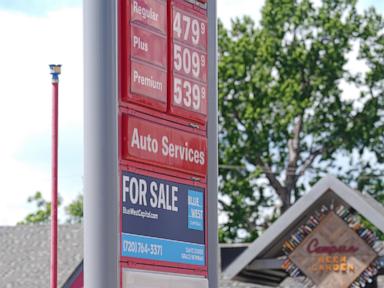
Your wallet is taking a beating. If you feel like you are bleeding cash every time you visit the grocery store or fill up your gas tank, you are not imagining things. The latest economic data confirms our worst fears. Inflation likely reached a three-year high last month, driven by a violent spike in energy costs. The ongoing military conflict involving Iran has sent shockwaves through global oil markets, and the pain is trickling directly down to American consumers.
This is not just about a few extra cents at the pump. Energy prices act as a tax on the entire economy. When fuel costs soar, everything becomes more expensive to manufacture, transport, and sell. We are looking at a classic supply shock that threatens to undo years of painful interest rate hikes by the Federal Reserve. Don't miss our recent article on this related article.
The Geopolitical Spark Igniting Global Oil Markets
The immediate catalyst for this inflationary surge is the escalating military conflict in the Middle East. With Iran directly engaged in regional warfare, energy traders are pricing in a worst-case scenario. The primary fear centers on the Strait of Hormuz. This narrow waterway is the world's most critical oil transit chokepoint. Roughly one-fifth of the world’s petroleum consumption passes through this strait daily.
When bombs fall and warships deploy, insurance rates for maritime tankers skyrocket. Some shipping companies refuse to enter the region altogether. This logistical nightmare choked off supply almost overnight, causing Brent crude and West Texas Intermediate (WTI) prices to surge past previous resistance levels. If you want more about the context here, Reuters Business offers an in-depth summary.
Global oil markets are notoriously fragile. They operate on razor-thin margins of excess capacity. A disruption of just two or three percent of global supply can cause prices to spike by twenty or thirty percent. That is exactly what we saw play out over the last four weeks. The shock was immediate.
Why Expensive Oil Means Expensive Groceries
Many people assume that if they don't drive much, higher gas prices won't affect them. That is a massive misconception. Petroleum is the lifeblood of the global supply chain.
Consider a simple gallon of milk. A farmer uses diesel to run tractors. A trucking company uses diesel to transport the milk to a processing plant, and then to a distribution hub, and finally to your local supermarket. The plastic jug containing the milk is a petrochemical byproduct. Every single step of this chain relies heavily on oil.
When fuel costs spike, shipping companies do not just absorb the loss. They pass those expenses down the line through fuel surcharges.
- Diesel prices hit a multi-year high last month, directly impacting commercial freight.
- Fertilizer production, which relies on natural gas and energy-intensive processes, faces rising costs.
- Packaging materials derived from plastics are seeing immediate price hikes.
By the time that gallon of milk hits the grocery store shelf, its price tag has adjusted upward to cover the entire chain of increased energy costs. The same applies to clothing, electronics, and consumer goods. You pay for the Iran conflict every time you swipe your credit card.
The Federal Reserve is Trapped
This sudden inflation spike puts the Federal Reserve in an excruciatingly difficult position. For the past few years, central bankers have used aggressive interest rate hikes to cool down the economy and bring inflation back toward their two percent target. They were making progress. Now, those gains are evaporating.
Monetary policy is a blunt tool. Raising interest rates can lower inflation by reducing consumer demand. If borrowing money is expensive, people buy fewer houses and cars, and businesses slow down hiring. But higher interest rates cannot produce more oil. They cannot stop missiles from flying in the Middle East.
The Fed cannot fix a supply-side shock with demand-side tools. If Chairman Jerome Powell and the committee decide to raise interest rates again to fight this new wave of inflation, they risk tipping the economy into a severe recession. If they cut rates to protect jobs, inflation could spiral completely out of control, leading to stagflation. It is a nightmare scenario for policymakers.
What History Teaches Us About Energy Shocks
We have seen this movie before. The current economic setup mirrors the energy crises of the 1970s. In 1973, the OPEC oil embargo caused fuel prices to quadruple, forcing gas rationing and lines around the block at American service stations. In 1979, the Iranian Revolution caused another massive disruption in global oil production.
During both episodes, the initial spike in oil prices quickly bled into core inflation. Workers demanded higher wages to keep up with the rising cost of living. Businesses raised prices further to cover the higher wage bills. This created a vicious wage-price spiral that took a decade of brutal economic pain to break.
The structural vulnerability remains the same today. While the US produces more domestic energy now than it did in the 1970s, oil is a fungible global commodity. American oil producers sell their product on the global market. If the global price spikes due to a war involving Iran, domestic prices spike right along with it. No country is an island in the global energy market.
How to Protect Your Finances Right Now
You cannot control geopolitical events, but you can change how you manage your money during an inflationary surge. Waiting for prices to drop on their own is a losing strategy.
First, audit your monthly transportation costs immediately. If you have a multi-car household, optimize your usage so the most fuel-efficient vehicle handles the bulk of the mileage. Consolidate errands into single trips rather than making multiple spontaneous runs.
Second, adjust your investment portfolio to account for prolonged inflation. Traditional bonds get crushed during inflationary periods because their fixed payments lose purchasing power. Look toward hard assets, energy sector equities, and commodities which historically outpace inflation during supply shocks.
Third, lock in fixed rates on any remaining variable debt you hold. If the Fed feels forced to raise interest rates again to combat this spike, credit card APRs and adjustable-rate loans will climb even higher. Move that debt to fixed-rate options before the next policy meeting.
Focus heavily on trimming flexible spending categories to create a larger cash buffer. Food and fuel are non-negotiable expenses. You have to pay those prices. To balance the ledger, you must cut back on dining out, subscription services, and luxury purchases. The energy shock is here, it is real, and it will likely get worse before it gets better. Tighten your financial belt today to avoid a crisis tomorrow.


