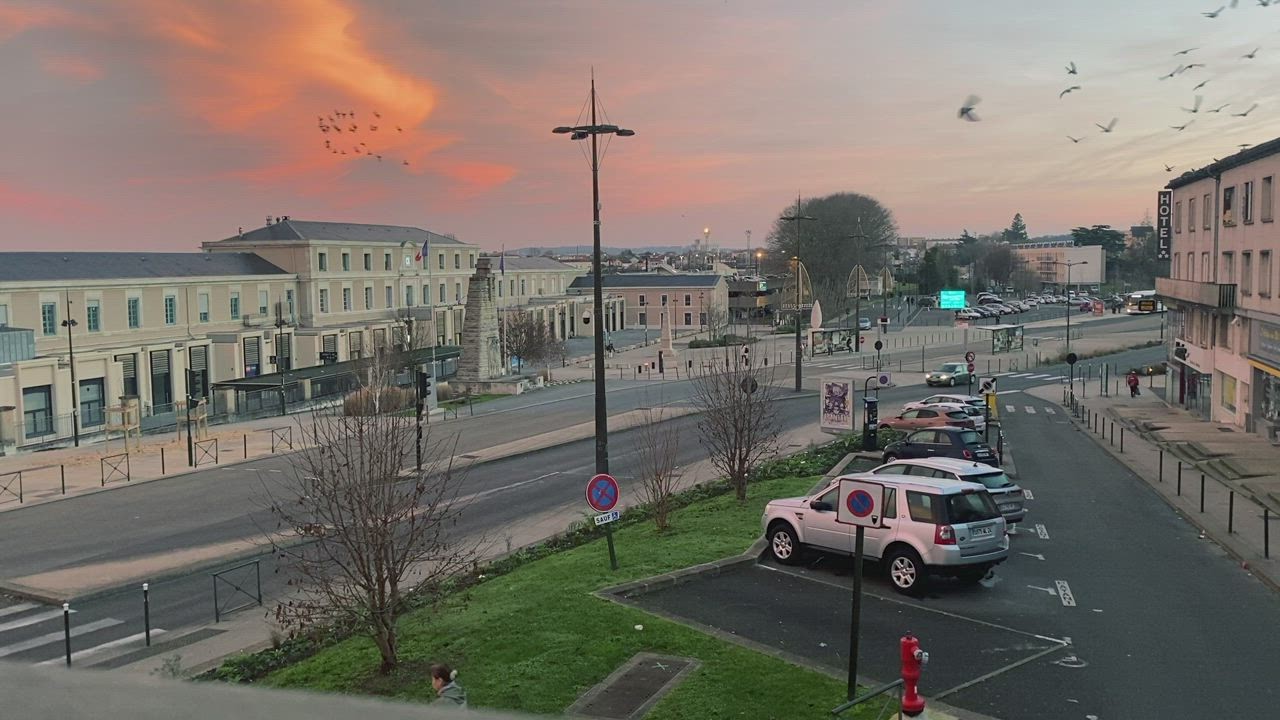
The pre-dawn air in a Parisian suburb on the first of May carries a specific, biting chill that usually suggests a city in deep hibernation. Normally, the streets are ghosts of themselves. The iron shutters of the local boulangerie remain locked tight, and the corner florist is nothing more than a dark window reflecting the grey sky. This is Labor Day. In France, that usually means a total, nationwide standstill.
But this year, the silence broke early.
It started with the metallic rattle of a rising grate. Then, the smell of yeast began to drift from the ovens, followed quickly by the sharp, green scent of thousands of tiny white bells. France decided to let the light in. For the first time in recent memory, the government clarified that the strict labor laws governing the public holiday would yield to the two most sacred pillars of French daily life: the baguette and the muguet.
The Flower of the People
To understand why this matters, you have to understand the muguet, or Lily of the Valley. It isn't just a plant. It is a national obsession. On May 1st, the French don’t just buy these flowers; they gift them to everyone they love as a charm for good luck.
Think about Jean-Pierre. He is a hypothetical florist, but his reality is shared by thousands across the country. For Jean-Pierre, May Day is his Super Bowl. It is the day when the tradition of the "free sale" allows anyone—literally any citizen—to sell Lily of the Valley on the street without a permit, provided they stay a certain distance from a permanent shop. For a professional like Jean-Pierre, the competition is fierce, the stakes are high, and the window of opportunity is barely twelve hours long.
If the government keeps the shops closed, Jean-Pierre loses his livelihood to the sidewalk vendors. By allowing his shop to open, the state isn't just "changing a rule." They are protecting the craft. They are ensuring that the man who pays taxes, rents a storefront, and cares for his blooms all year round isn't sidelined on the one day his product is most in demand.
The decision to open the doors is a nod to the economic reality of the small business owner. It acknowledges that for a florist, a holiday isn't a day of rest—it's a day of survival.
The Baker’s Burden
Then there is the bread.
There is a specific kind of minor tragedy that occurs when a French household realizes they have run out of bread on a public holiday. The baguette is the heartbeat of the table. Without it, cheese is lonely, and sauce is a waste. Usually, on May Day, the country prepares for a siege, buying extra loaves the day before, only to eat stale crusts by dinner on the first.
This year, the government’s directive bypassed the usual bureaucratic knots. By allowing bakeries to operate, they addressed a fundamental human need for ritual.
Consider the rhythm of a neighborhood. When the bakery opens, the neighborhood wakes up. You see the elderly woman in her robe and overcoat, clutching a few coins, making her way to the front of the line. You see the young father with a toddler on his shoulders. These interactions are the social glue of France. When you close the bakery, you don't just stop the sale of flour and water; you stop the morning conversation. You pause the community.
A Balance of Power and Tradition
France is a country built on the rights of the worker. The 35-hour work week is a point of pride. The right to strike is a national pastime. So, when the state says "you may open," it isn't a command—it's a permission slip that balances on a very thin wire.
Staffing these shops on a day dedicated to labor rights is a delicate dance. Under French law, employees working on May 1st are often entitled to double pay. For a small bakery, this means the math has to work. They aren't opening to get rich; they are opening to serve. It is a choice made by the patron to stand behind the counter, often alone or with family, to ensure the village has its breakfast.
The invisible stakes here are cultural. Every year, there is a quiet tension between the desire for a total day of rest and the reality of a modern, service-oriented world. If you stop the flowers and the bread, do you protect the worker, or do you erode the very traditions that make the country worth working for?
The Sensory Shift
Walking down a French street on a May Day where the shops are open feels different. It lacks the eerie, post-apocalyptic stillness of years past. Instead, there is a buzz.
The sidewalk vendors are still there, their buckets filled with wild-picked sprigs from the woods. But now, they are joined by the curated displays of the professional shops. The "open" sign in the window of the boulangerie acts as a beacon.
We often think of progress as something digital or high-tech. We think of "opening up" as a matter of deregulation and corporate shift. But in the streets of Lyon or Bordeaux, progress looks like a paper bag with a warm loaf inside. It looks like a ribbon tied around a bunch of flowers.
The government didn't just pass a memo. They recognized that some things are too important to be governed by a calendar. They realized that the soul of the country is found in the small exchanges—the "merci, au revoir" whispered over a counter while the rest of the world is supposedly asleep.
The white bells of the Lily of the Valley are fragile. They last only a few days before they brown and wilt. The baguette is even more fleeting, losing its soul within hours of leaving the oven. By allowing these shops to open, France chose to honor the temporary. They chose the fresh over the preserved, the living street over the silent one.
As the sun climbs higher, the baskets of flowers empty. The racks of bread turn bare. The workers go home eventually, having earned their double pay or their shop's keep. The holiday continues, but the table is full, and the vase is occupied. The tradition didn't break because the shops opened. It breathed.
Somewhere in a small apartment, an old man hands a sprig of white flowers to his wife. The bread is still warm. The world outside is quiet, but inside, because of a simple change in a rule, the day feels exactly as it should.