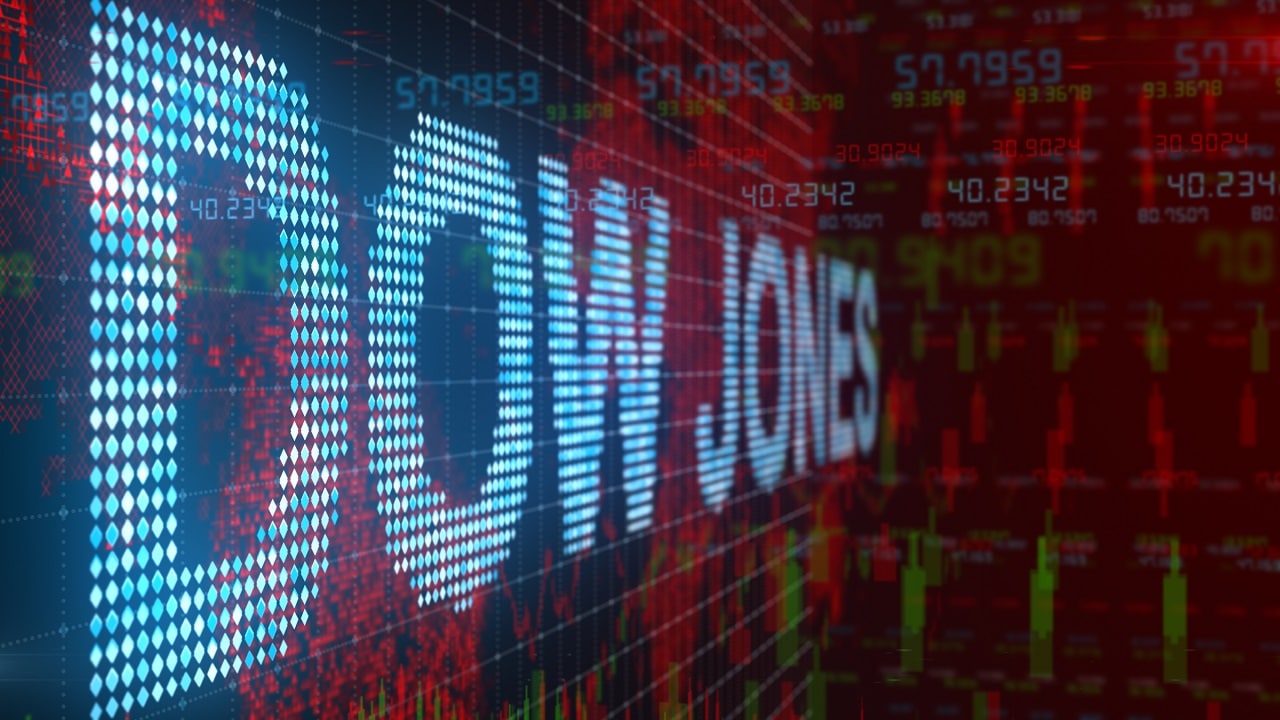
The red numbers on the monitor didn't blink. They screamed.
At 6:30 AM in a small apartment in Queens, Elias poured his first coffee, the steam rising in a thin, rhythmic curl. He clicked his laptop open, expecting the usual hum of premarket chatter. Instead, he saw a crater. The Dow Jones Industrial Average was hemorrhaging, down 500 points before the opening bell had even rung in New York. This wasn't just a dip or a correction. This was the sound of a geopolitical floor falling out.
Five thousand miles away, the diplomatic tables in Vienna had been cleared. No handshakes. No signed accords. The talks between the United States and Iran had dissolved into the kind of silence that precedes a storm. For months, the market had priced in the hope of a "de-escalation," a word that bankers love because it sounds like safety. But hope is not a strategy. When the news broke that the negotiations had collapsed, the reaction was visceral.
Then came the phrase that makes every logistics manager on the planet lose sleep: The Strait of Hormuz.
The Choke Point
Consider a single vein in the human body that carries twenty percent of its lifeblood. Now imagine a tourniquet.
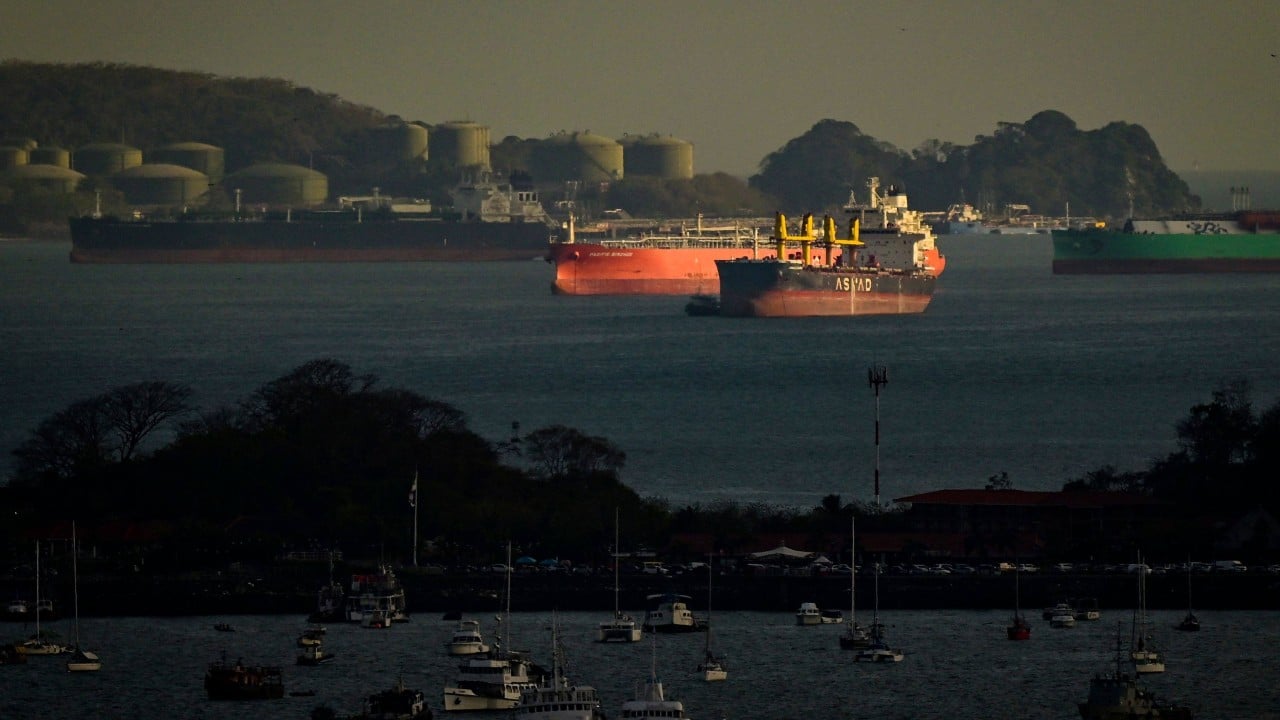
The Strait of Hormuz is that vein for the global economy. It is a narrow stretch of water, barely twenty-one miles wide at its tightest point, separating the Persian Gulf from the Gulf of Oman. Through this passage flows the energy that keeps the lights on in Tokyo, the factories running in Berlin, and the gas tanks full in suburban Ohio. When Tehran hinted at a blockade in response to the failed talks, the world didn't just look at a map; it looked at its wallet.
For the average person, "geopolitical tension" is an abstract term found in textbooks. But for Elias, watching his retirement fund evaporate in real-time, it was an immediate, crushing weight. He saw the price of crude oil spike on his screen. He knew that by Friday, the price of a gallon of milk would rise because the truck delivering it would pay more for diesel. The collapse of a meeting in a gilded European hotel room was now reaching into his kitchen.
The Domino Effect of Uncertainty
Markets hate a vacuum. When diplomats stop talking, the vacuum is filled by the loudest voices and the darkest scenarios.
The Dow’s 500-point slide was a mathematical expression of fear. Investors began a frantic migration toward "safe havens." Gold prices surged. The dollar strengthened, not because the U.S. economy had suddenly improved, but because when the world feels like it’s catching fire, everyone wants to hold the currency that feels the least flammable.
But the real story wasn't in the gold bars; it was in the shipping lanes.
Hypothetically, let’s look at a woman named Sarah. Sarah manages a fleet of cargo ships for a multinational firm. On a normal Tuesday, her biggest worry is a tropical storm or a port strike. Today, her phone is vibrating off the desk. Insurance premiums for any vessel entering the Gulf have just tripled. Some captains are refusing to enter the Strait without a military escort.
If the blockade becomes a reality, Sarah has to tell her clients that their shipments—electronics, medical supplies, raw plastics—will be delayed by weeks as they reroute around the entire continent of Africa. That detour adds thousands of miles, millions of dollars in fuel costs, and a massive carbon footprint. This is how a localized conflict becomes a global inflationary spiral.
The Invisible Stakes
We often talk about these events in terms of "points" and "basis points." It sanitizes the reality.
A 500-point drop represents billions of dollars in lost value. It represents the "margin call" for a small business owner who used his stocks as collateral for a loan. It represents the university endowment that now has less money for scholarships. It is the cumulative loss of human labor and future security.
The collapse of the US-Iran talks is a reminder of how fragile our interconnectedness truly is. We have built a world that relies on "just-in-time" delivery and hyper-efficient supply chains. We stripped out the redundancies to maximize profit. But those redundancies were the shock absorbers. Without them, every bump in the road—every failed diplomatic session—sends a shudder through the entire frame.
The Psychology of the Slide
Panic has a specific rhythm. It starts with the "smart money" exiting quietly through the back door. Then comes the headline. Then the retail investors, the people like Elias, see the news and feel the urge to do something.
"Should I sell?" he whispered to the empty kitchen.
The screen offered no comfort. The technical charts showed "support levels" being breached like sandcastles in a rising tide. The blockade wasn't even a physical reality yet; it was a ghost, a possibility. But in the world of high-frequency trading and 24-hour news cycles, a possibility is treated as a certainty until proven otherwise.
The rhetoric coming out of Washington and Tehran grew sharper. Words like "consequences" and "sovereignty" were tossed around. In the language of diplomacy, these are often placeholders for "we don't know what to do next." But to the algorithms that drive eighty percent of market volume, these words are triggers. They execute sell orders in milliseconds, faster than a human can blink, accelerating the downward spiral.
Beyond the Ticker
By 9:30 AM, the opening bell rang at the New York Stock Exchange. The floor was a hive of controlled chaos, but the real movement was happening in the silent servers in New Jersey. The 500-point premarket slide held steady, then deepened.
It is easy to blame the politicians. It is easy to blame the oil speculators. But the reality is that we are all participants in this fragile system. Our comfort is predicated on the idea that the world's most volatile regions will remain just stable enough to let the tankers pass. We live in the grace period between crises.
Elias closed his laptop. He didn't sell. Not because he was brave, but because he was tired. He watched the sun hit the bricks of the building across the street. The world was still turning, but the gears were grinding.
The blockade might never happen. The talks might resume next month in a different city with different faces. But the scar of this morning remains on the charts and in the minds of everyone who watched the red numbers. We are reminded, once again, that the distance between a peace summit and a global recession is only twenty-one miles of water.
The coffee in his mug had gone cold. He poured it down the sink and watched it disappear, a small, dark swirl lost in the drain, much like the billions of dollars that had vanished from the boards before the world had even finished its breakfast.