The earth does not warn you. It rarely does. One moment, the afternoon sun is painting the jagged peaks of the southern Andes in shades of rust and gold, and the next, the ground beneath your boots turns to liquid.
I remember the sound more than the movement. A deep, subterranean groan, like an iron gate dragging across stone, followed by a sharp crack that vibrates straight up your spine. It is a sound that strips away human arrogance in less than a second.
When a 6.7 magnitude earthquake rips through the silence of Peru’s southern Andes, the statistics arrive later. They come via radio waves and satellite feeds hours afterward. Two injured. Minor structural damage. Numbers that look clean on a screen, easily digestible, easily filed away under morning headlines. But numbers are ghosts. They fail to capture the reality of what happens when a mountain range decides to stretch its limbs.
Consider what happens next in a remote Andean village when the earth fractures.
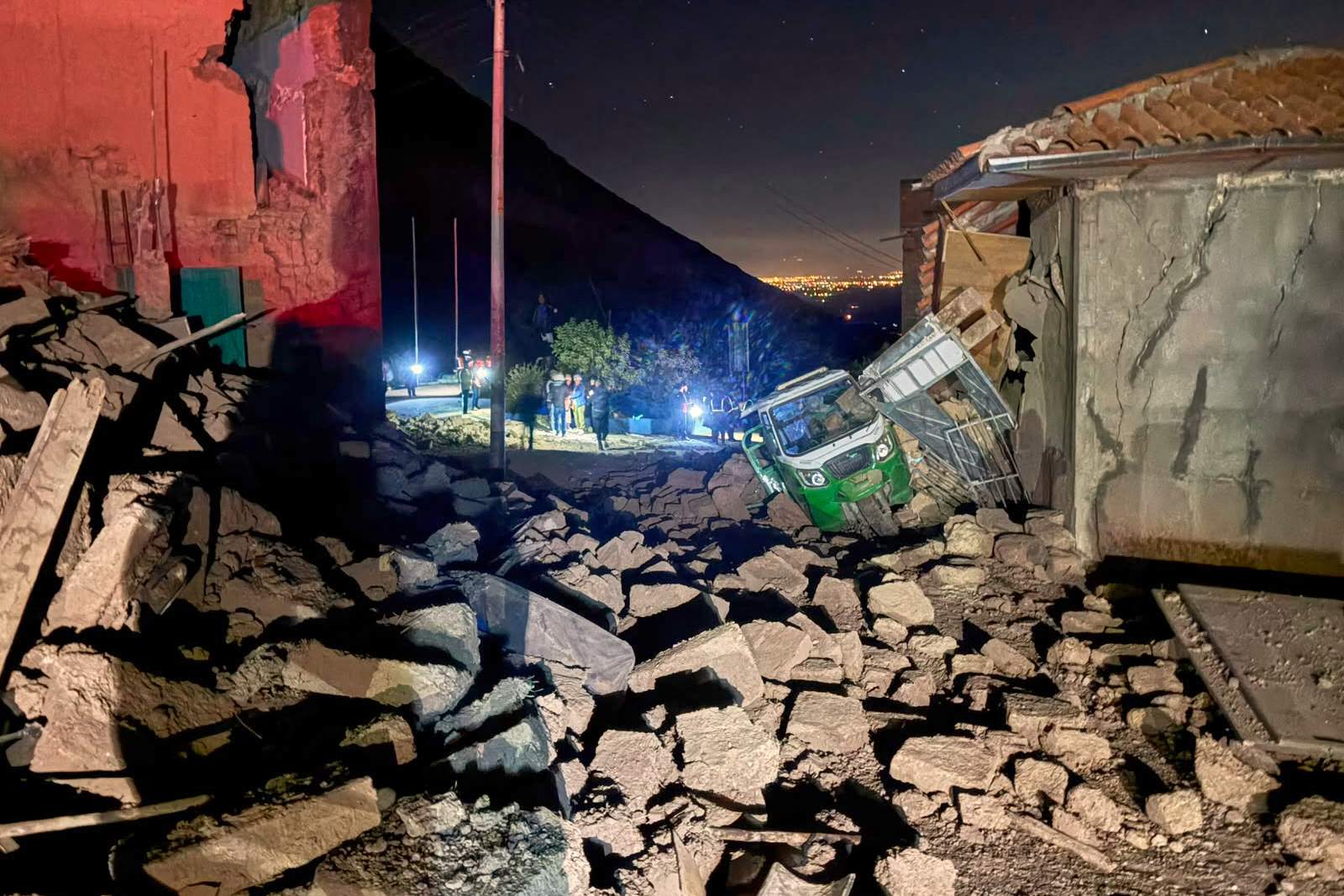
Adobe walls, baked by centuries of sun and wind, are stubborn things until they are not. They hold warmth through freezing mountain nights, but they cannot bend. When the 6.7 tremor struck, registering a formidable depth that sent shockwaves rippling across valleys and plateaus, those heavy earthen walls became hazards.
Picture Mateo. (This is a hypothetical scenario grounded in the verified patterns of rural Andean life, where seismic shocks are an ancient inheritance). Mateo is sitting at a wooden table, sharing a midday meal of potatoes and corn with his elderly mother. The first violent jolt sends clay pots crashing to the dirt floor. The roof timbers shriek. In these harrowing moments, there is no time for philosophy. There is only the primal instinct to protect, to cover, to survive.
He lunges across the room, pulling his mother beneath the heavy oak doorframe just as the northern corner of the kitchen collapses into a gray cloud of dust.
Two injured. That is what the official reports state. Two injured in a region where medical posts are hours away by winding dirt roads, where communication lines flicker out at the first violent shudder. Those two souls carried out of the rubble represent a miracle of geography and timing. Had the epicenter shifted a few miles closer to a denser settlement, or had the tremor struck in the dead of night when entire families were asleep beneath heavy slate roofs, the ledger would read differently.
Why do these mountains shake with such terrifying frequency?
The answer lies deep beneath the crust, where the Nazca Plate is locked in a slow, brutal collision with the South American Plate. It is a tectonic wrestling match that has been going on for millions of years. The Nazca Plate relentlessly dives beneath the continent, a process geologists call subduction. The rock grinds, sticks, builds tension, and then, inevitably, slips.
The Andes are rising because of this violence. Every major earthquake is simply the mountain range paying its geologic tax.
Yet, living in the shadow of giants teaches a unique kind of resilience. Down in the valleys, people do not curse the mountains. They respect them with a quiet, watchful fatalism. They know that stone is temporary, that human hands build only to have the earth reclaim its space eventually. When the dust settled over the southern Andes following the 6.7 jolt, the immediate response was not panic, but communal labor. Neighbors emerged from clearing their doorways with shovels and woven baskets, checking on the elderly, comforting weeping children, sharing what little clean water remained intact.
We read about these events on glowing screens thousands of miles away. We scroll past them between weather updates and sports scores. A 6.7 magnitude earthquake in Peru. Two injured. We consume the data and forget the human heartbeat behind the pixel.
The earth holds its breath now, resting in the quiet aftermath of the slip, storing energy for a tomorrow we cannot predict. And somewhere in the high altitude wind, a stone rolls down a freshly scarred slope, settling into the dust.