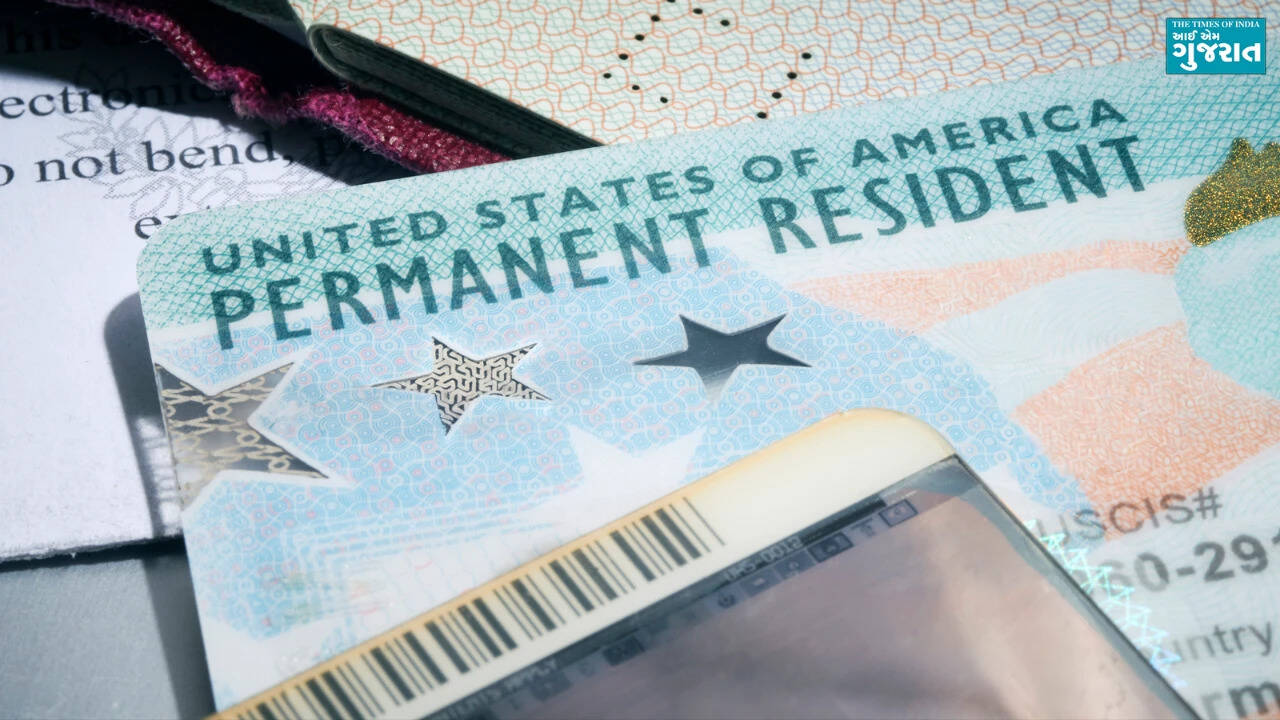
If you’re in the middle of a green card application, you’ve probably heard the buzz about the new "public charge" rule. Starting September 18, 2026, the way immigration officers decide if you’re likely to rely on the government for support is changing. It’s not just a minor tweak; it’s a shift that gives officers significantly more discretion when reviewing your financial future.
Many applicants feel like they’re walking on eggshells. They worry that using any government service could result in a denial. While that’s an understandable fear, it’s not exactly how the system works. Understanding the difference between the old rules and the new reality is your first step toward a successful application.
The Big Shift in September
For a while, the definition of a "public charge" was relatively narrow. It mostly focused on whether someone was primarily dependent on the government for cash assistance or long-term institutional care. That changed in July 2026 when the Department of Homeland Security published a final rule that rescinds previous, more limited frameworks.
Beginning September 18, the test moves back to a "totality of the circumstances" review. Officers won't just check a list of boxes. They will look at your whole picture. Your income, your assets, your education, your health insurance status, and your family size all become part of the equation. Essentially, they are trying to predict if you have the resources to avoid becoming a burden on the public taxpayer in the future.
What Benefits Are Actually Scrutinized
One of the biggest misconceptions is that using any public benefit is a death sentence for your application. That’s rarely the case. The government isn’t looking for perfection; they are looking for evidence of long-term self-sufficiency.
Under the new guidance, officers have more room to weigh the use of various means-tested benefits. This can include:
- Food stamps (SNAP)
- Medicaid (with some exceptions)
- Housing vouchers
- Other state or local cash assistance programs
It is important to understand that simply being eligible for these programs doesn’t make you a public charge. Using them also doesn’t mean an automatic denial. The officer weighs these factors against your overall financial health. If you are working full-time and have a solid job offer, receiving temporary assistance to get over a rough patch is viewed very differently than long-term, total reliance on public funds.
Protecting Your Application
If you haven’t filed your green card application yet, you should know that cases postmarked or submitted online before September 18, 2026, are evaluated under the previous, more limited criteria. If you have the ability to move quickly, that’s a significant factor.
For everyone else, you need to be proactive about documenting your ability to support yourself. Don’t rely solely on the Affidavit of Support from your sponsor. While that document is still part of the process, it’s no longer the "magic ticket" it once was. You need to tell your own story.
How to Build a Strong Case
- Gather your financial evidence. Keep your tax returns for the last three years handy. Have recent pay stubs ready, and get an official letter from your current employer verifying your position and salary.
- Highlight your skills. If you have degrees, professional licenses, or certifications, include them. Anything that proves you are employable and have a path to career growth in the U.S. is a win.
- Draft a self-sufficiency statement. It sounds formal, but it’s really just a clear summary written in your own words. Describe your financial situation, your work history, and your plan to maintain stability. Keep it honest and grounded in facts.
- Be transparent. If you have used benefits, don't try to hide it. Often, explaining the temporary nature of that assistance is better than having an officer discover it during an background check without context.
Who This Does Not Affect
It’s easy to get caught up in the stress, but take a deep breath. This rule doesn’t apply to everyone. If you’re a U.S. citizen, a current green card holder (unless you’ve been out of the country for a long period), a refugee, or an asylee, these specific changes likely don’t impact you.
Many humanitarian-based applicants, including those applying for U or T visas or under the Violence Against Women Act (VAWA), are also exempt from this public charge test. If you fall into one of these groups, the noise about September 18 shouldn’t change your strategy.
Immigration law is rarely straightforward. If you feel like your financial situation is complex or you’re worried about how a specific benefit might be viewed, consult with a qualified, accredited immigration attorney. They can help you organize your documentation to reflect your true potential, not just a snapshot of a difficult time.
Start organizing your financial evidence today. Being prepared is the best way to handle these shifts in policy. Don't wait until the last minute to gather your records. A clear, well-documented file is the best tool you have to show that you are fully capable of supporting yourself.