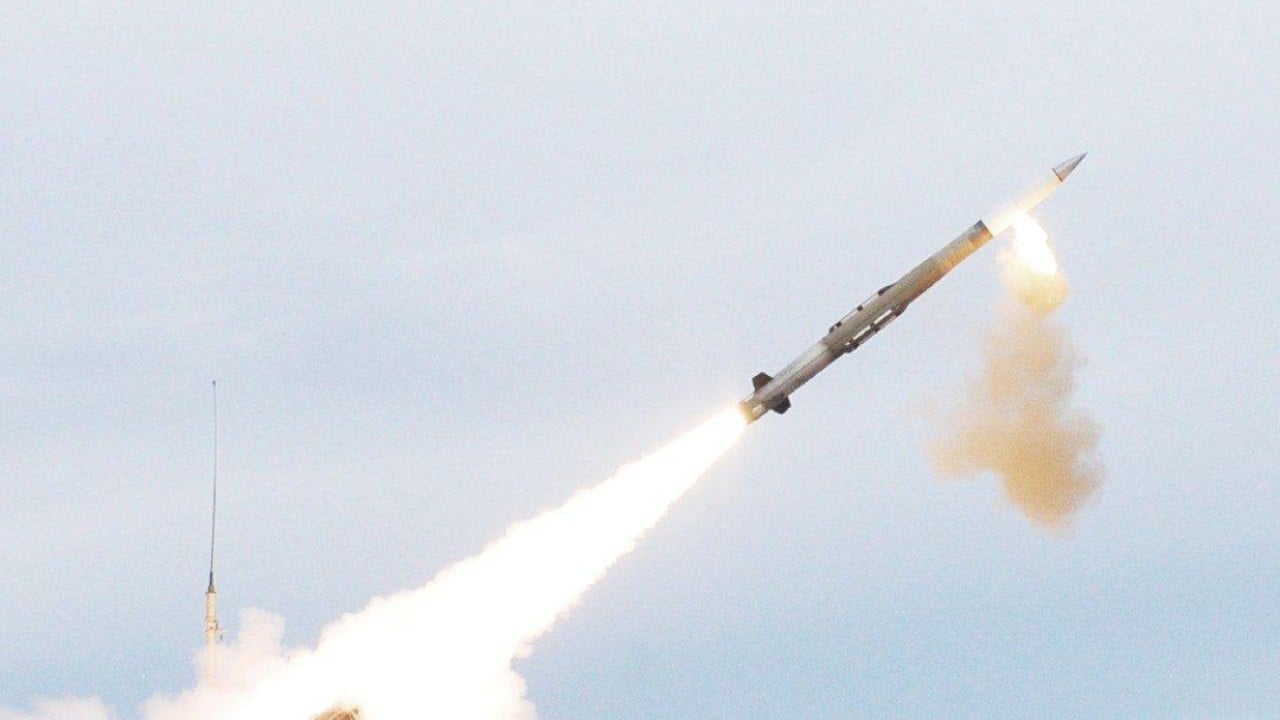
You can't fight a modern war with empty shelves. The Pentagon just learned this lesson the hard way, burning through stockpiles of precision air defense interceptors in recent conflicts across Ukraine and the Middle East. To fix the bleeding, the United States government signed massive framework agreements with defense giants like Lockheed Martin and Northrop Grumman to turbocharge the output of Patriot and Terminal High Altitude Area Defense (THAAD) missile components.
If you've been following military procurement, you know annual contracts don't cut it anymore. They leave supply chains starved of long-term certainty. The new multiyear push aims to triple Patriot production capacity and quadruple THAAD manufacturing output by 2030. But scaling up isn't just about writing a check for billions of dollars. It requires fixing deep-seated bottlenecks in the defense industrial base that most casual observers completely ignore.
Why the Stockpile Crisis Happened
Let's look at the numbers. Think tanks like the Center for Strategic and International Studies estimate that recent operations against Iran and heavy support for Ukraine drained roughly two-thirds of pre-war Patriot interceptor inventories. The US military was left with fewer than 1,000 Patriot interceptors and under 250 THAAD interceptors.
When every single PAC-3 MSE missile costs millions and takes months to assemble, you can't just snap your fingers and replace a depleted magazine. For years, defense contractors operated on lean, year-to-year funding cycles. Why would a component supplier invest tens of millions of dollars into new manufacturing plants or specialized tooling if they didn't know if the government would renew their contract next year? They wouldn't. That structural mismatch created a sluggish industrial pipeline that couldn't keep pace with high-burn-rate conflicts.
Inside the Multiyear Strategy
The fresh batch of agreements changes how the Pentagon does business. Instead of dealing exclusively with top-tier prime contractors, the Department of Defense is setting up direct framework agreements with critical tier-two and tier-three component suppliers.
What does that mean on the ground?
- Second Sources for Solid Rocket Motors: Creating backup manufacturing lines for high-demand propulsion systems ensures that a single factory mishap or supply chain choke point won't halt national missile production.
- Component Scalability: Ramping up specialized hardware like attitude control motors, lethality enhancers, and liquid divert systems that give these interceptors their mid-flight maneuverability.
- Facility Modernization: Pumping billions into updating more than 20 domestic manufacturing facilities, including brand-new munitions centers cropping up in states like Arkansas and Alabama.
Lockheed Martin's massive $58.6 billion framework contract conversion maps out a seven-year procurement schedule stretching through 2032. The goal is clear: push annual Patriot production from around 600 units up to 2,000 units by the end of the decade. At the same time, expanding the workforce at key manufacturing hubs by over fifty percent injects real human capital back into industrial towns that rely heavily on defense manufacturing.
The Catch With Congressional Funding
Multiyear procurement announcements make great headlines, but they come with a major caveat. Defense executives have pointed out repeatedly that these framework agreements serve as blueprints. Actual cash flow depends entirely on annual Congressional budget approvals.
If lawmakers get bogged down in partisan budget fights or attempt to claw back defense spending, these expansion plans could hit a brick wall. Scaling up a factory floor requires steady capital investment, specialized engineering talent, and a guaranteed stream of orders. If the funding pipeline stutters, the entire multiyear strategy slows down with it.
Beyond funding, building complex air defense missiles isn't like assembling consumer electronics. You need skilled technicians who understand precision guidance systems, rare materials for rocket motors, and strict quality control measures. You can't rush quality when a single faulty component means a missile misses an incoming ballistic threat by inches.
What Happens Next
The race to rebuild the American missile inventory is moving faster than it has in decades. Whether these industrial shifts can outpace global threats remains the defining security question of the decade. Keep an eye on congressional budget allocations over the next fiscal cycle. That is where these ambitious production targets will either turn into concrete reality or stall out in committee rooms.