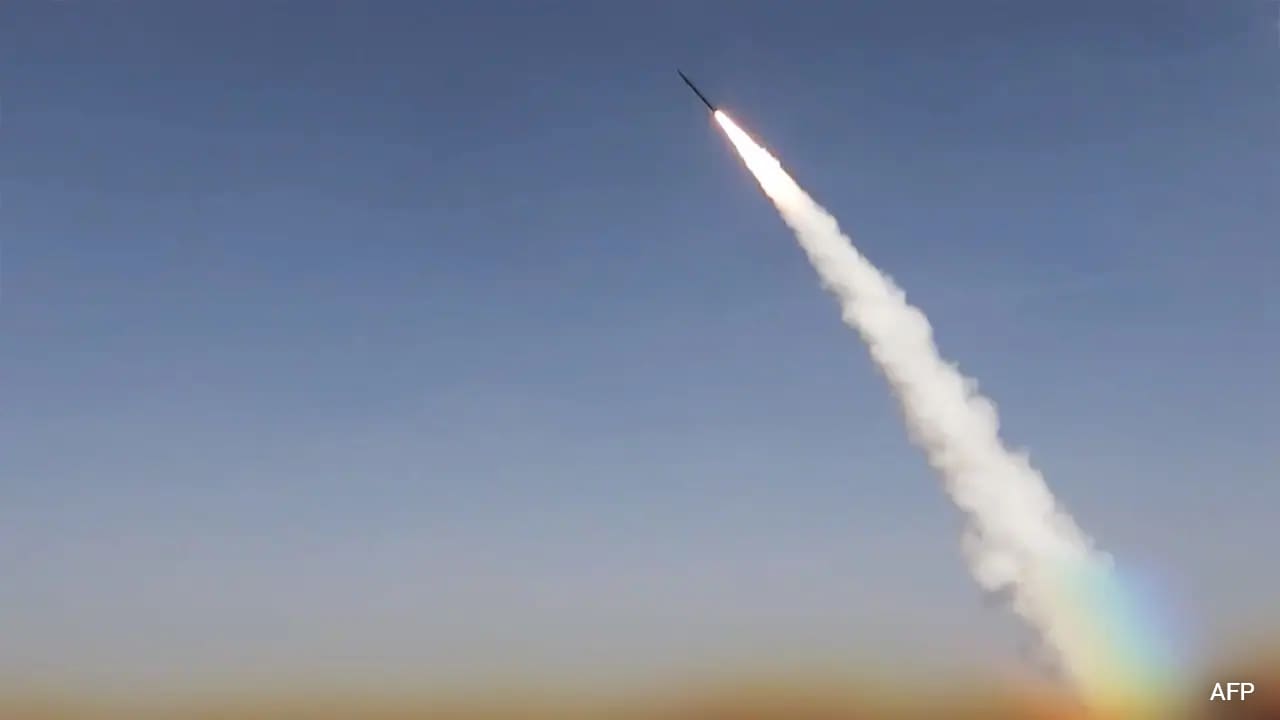
Darkness in the northern Jordanian desert does not fall; it drops like a heavy, leaden curtain. Out at Tower 22, the remote logistics support hub near the Syrian border, the night air usually carried the low, constant hum of generators, the distant shuffle of boots, and the quiet murmurs of service members rotating through a post designed to look quieter than it actually was.
Then came the flash.
Then came the impact.
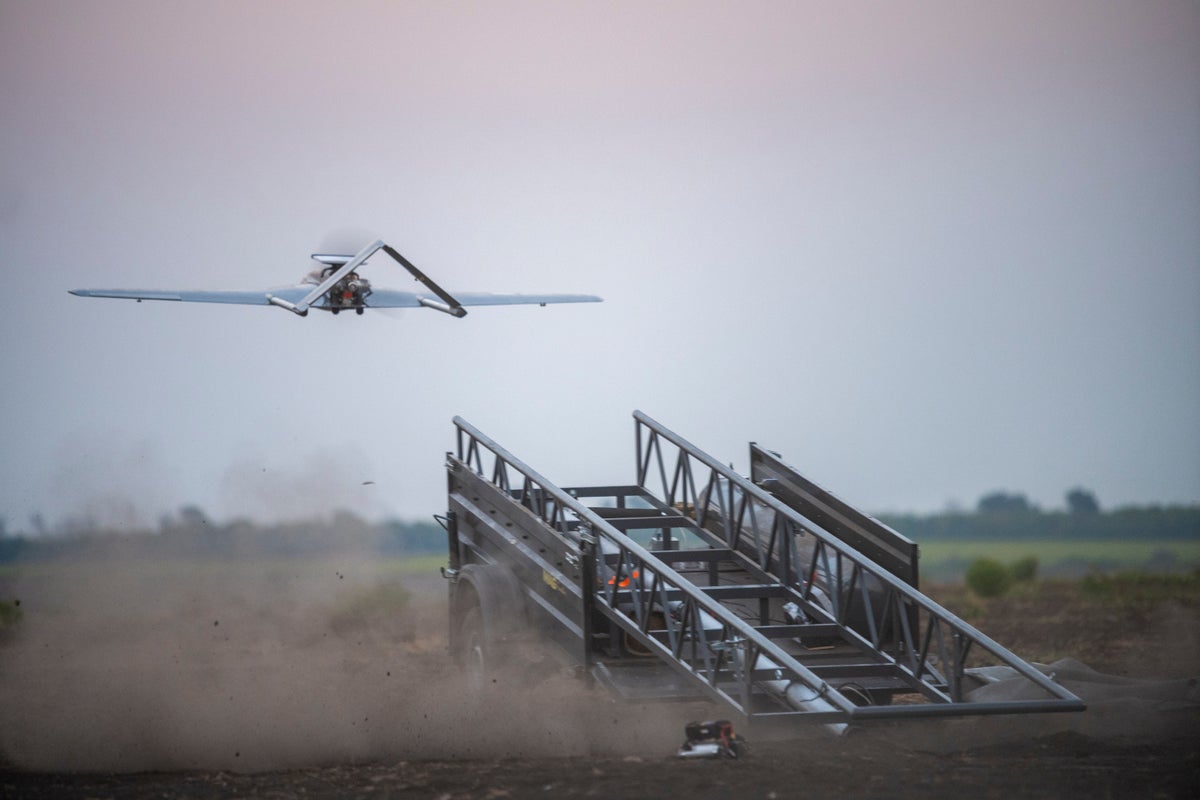
When a one-way attack drone slips past layered radar horizons, it does not announce its pedigree with theatrical thunder. It arrives with a high-pitched, tearing whine—a mechanical hornet cutting through the freezing midnight air—before transforming instantly into raw kinetic violence. For three American service members, Sergeant William Rivers, Specialist Kennedy Sanders, and Specialist Breonna Moffett, that split second marked the tragic end of their watches. For the rest of the world watching from thousands of miles away, it was a sudden, violent jolting awake to a shadow war that had been simmering just beneath the diplomatic threshold for months.
We often talk about geopolitics as a game of chess played by distant men in sharp suits over polished mahogany tables. We speak of deterrence, strategic ambiguity, and proportional responses as if they were sterile mathematical equations. But walk the perimeter of a forward operating base under a moonless sky, and you realize the truth is far more intimate, fragile, and terrifying. The barrier between a quiet night of administrative duty and national escalation is often measured in millimeters of reinforced concrete and the split-second reaction time of a twenty-year-old sentinel scanning the horizon.
Consider what happened in the wake of that impact.
Within minutes, emergency medical teams moved through the acrid smoke and blinding dust. Sirens cut through the desert silence, shattering the illusion of routine operations. Medevac helicopters churned the sand into blinding whiteouts, rushing dozens of wounded personnel—ranging from shrapnel trauma to severe traumatic brain injuries—into the chaotic ecosystem of field triage. Back home, in quiet suburban living rooms across Georgia, South Carolina, and elsewhere, phones rang in the pre-dawn hours. The calls that military families dread more than anything else.
The immediate political and military machinery churned into motion with terrifying speed. Finger-pointing began instantly in Washington and regional capitals. Responsibility was claimed quickly by the Islamic Resistance in Iraq, an umbrella grouping of Iran-backed militias that had spent months launching dozens of low-level rocket and drone attacks against coalition positions across Iraq and Syria. Yet, the foundational question remained hanging heavy in the electrified desert air: How far up the chain does the accountability stretch?
To understand why Tower 22 was targeted, we have to look past the immediate headlines and examine the architecture of modern proxy conflict. Iran does not typically fight its adversaries through direct, conventional frontal assaults. Instead, Tehran has spent decades cultivating, funding, and arming a sprawling network of regional militias—from the Houthis in Yemen to Hezbollah in Lebanon and various armed factions spanning Syria and Iraq.
Think of it as a subterranean water system. You can cap a single sprinkler head on the surface, but if the main underground reservoir remains untouched, the water will simply find another crack in the concrete to burst through. For months following the outbreak of the Israel-Hamas war in October 2023, these proxy groups seized upon regional anger to intensify attacks against United States military installations. They calculated that Washington wanted to avoid a wider, regional conflagration badly enough to absorb minor, harassing strikes without launching a catastrophic counter-offensive on Iranian soil.
They miscalculated. Or perhaps, they simply pushed the elastic band until it snapped.
When an adversary crosses the line from harassing logistics outposts to killing American service members outright, the calculus of deterrence undergoes a violent paradigm shift. Silence is no longer an option. Restraint begins to look like weakness, inviting even bolder aggressions.
Yet, responding to a shadow war is notoriously difficult. If you hit back too softly, you invite mockery and further attacks. If you hit back too hard, you risk stumbling blindly into a full-scale regional war that neither Washington nor Tehran truly wants, but neither might know how to stop once the machinery of escalation spins out of control. It is a terrifying tightrope walk over an active volcano, where a single misstep can incinerate millions of lives.
The days following the strike at Tower 22 were defined by a tense, breathless quiet across the Middle East. Aircraft carriers repositioned silently in regional waters. Strike planners in hidden command centers pored over satellite imagery, intercept transcripts, and weapons serial numbers, tracing the exact supply chain of the drone back to its Iranian-manufactured origins. Every diplomatic channel hummed with urgent, frantic messages.
We forget that behind every major historical turning point are human beings staring at screens, drinking cold coffee at three in the morning, weighing the lives of soldiers against the unpredictable ripples of military retaliation. We forget the heavy, suffocating weight of responsibility carried by leaders who know that a single executive order could unleash a chain reaction of fire and ash across ancient trade routes, oil fields, and civilian population centers.
The dust at Tower 22 eventually settled, but the horizon permanently changed shape. The strike exposed the profound vulnerability of small, isolated outposts scattered across hostile expanses, serving as permanent reminders that in an interconnected world, no garrison is truly remote, and no conflict remains safely contained overseas.
As the desert sun rose over the jagged mountains of the borderlands, casting long, bruised shadows across the fortified wire, the sand was already beginning to drift over the scars of the night before, wiping away the debris while leaving the indelible, burning question of what comes next hanging silently in the wind.