The neon of Mong Kok usually bleeds into the night with a familiar, mechanical arrogance. It hums. It flickers. It sells you things you do not need. But on a humid Tuesday in July 2016, the light changed its mind.
Look down at any pavement in Victoria Harbour that week and you would have seen something strange. Shoes. Thousands of shoes. Not marching in a neat line of protest or shuffling toward the MTR out of weary obligation, but clustering, stopping dead, swirling in erratic circles around park benches and convenience store entrances.
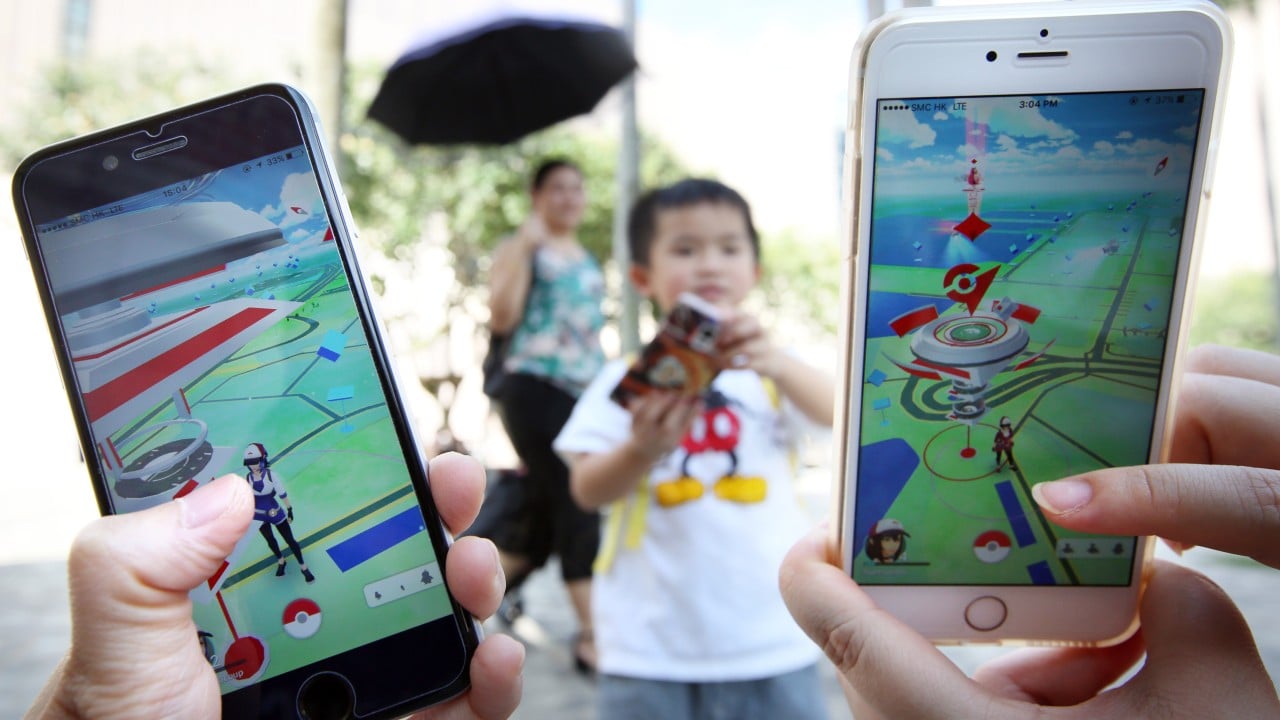
Phones cast a cold, blue glow upward into hundreds of anxious faces. Fingers swiped. Breath hitched.
A Snorlax had spawned near the Star Ferry.
Streetlights hummed. People ran.
To understand what happened when Pokémon Go hit Hong Kong, you have to remember the geometry of the city. This is a place where space is measured in inches, where millions of lives are stacked vertically in concrete monoliths, where human interaction is often mediated by the frantic pace of escalators and sliding train doors. It is a dense, high-pressure machine designed for efficiency. People walk fast. They look down at their feet or straight ahead. They do not make eye contact on the tram.
Then Niantic dropped invisible pixels onto real-world geography, and the grid broke.
Grandparents stood shoulder to shoulder with teenagers who normally spoke only in Discord abbreviations. Office workers in crisp tailored shirts unbuttoned their collars, tore off their ties, and scrambled up steep inclines in Mid-Levels because a rare pocket monster flashed on a radar screen. Victoria Park turned into an open-air trading floor of invisible goods. Thousands of bodies moved in unison, guided not by municipal zoning laws or traffic lights, but by the quiet, insistent buzz of a handheld screen.
It felt less like a product launch and more like a mass awakening.
Consider what happens when a city starved of open air suddenly finds a reason to look at its own architecture. For years, public squares existed as transit corridors—places you hurried through to get to the next air-conditioned box. Pokémon Go turned those sterile plazas into arenas of shared destiny.
I remember standing near Chater Garden when the server stabilised after hours of frustrating outages. The collective groan of thousands turned instantly into a roar of triumph. A middle-aged man in a polo shirt caught a Dragonite. He did not know the kids cheering next to him. He did not care. He grabbed the nearest stranger by the shoulder, shook him twice, and pointed frantically at his screen. The stranger laughed, checked his own battery percentage, and sprinted toward the Peak Tram terminus.
Magic? No. Pure, unfiltered psychology.
The game exploited a fundamental hunger. We are lonely creatures living in hyper-connected cages. We crave a shared myth. The mobile screen acted less like a barrier and more like a shared pair of glasses, pulling everyone into an alternate reality stamped directly on top of the real one. Pokéstops became modern-day village wells. Lure modules cast pink petals over mundane noodle shops, drawing weary pilgrims into the warm glow of local commerce.
Shop owners caught on fast. Hand-written cardboard signs appeared overnight in windows: Phone charging station inside. Come catch Pikachu. Cold drinks for trainers.
It was capitalism meeting collective delusion in the most charming way possible.
Yet, beneath the infectious joy, a quiet anxiety rippled through the bureaucratic machinery of the city. MTR officials sweated through their uniforms, watching crowds spill dangerously close to platform edges. Police issued warnings about trespassing as packs of nocturnal hunters scaled restricted embankments in search of elusive spawns. Drivers cursed at pedestrians who stepped blindly into four-lane traffic, eyes glued to a spinning Pokéball.
Safety was an afterthought. The rush was everything.
Critics called it a distraction, a symptom of digital alienation. They watched from high-rise balconies as thousands of youth stared at glass rather than the skyline, shaking their heads at the absurdity of it all. They missed the point entirely. Those kids weren't ignoring the city; they were finally touching it. They were learning the hidden topography of alleyways, stairwells, and forgotten parks they would have otherwise ignored in their daily commute.
By August, the fever reached a manic crescendo. Newspapers printed front-page warnings and survival guides. Government departments posted tongue-in-cheek safety notices featuring cartoon monsters telling citizens not to cross highways while hunting.
And then, just as quickly as it materialized out of the digital ether, the frenzy cooled. Servers stabilized. The novelty wore thin for the casual onlookers. The crowds in Victoria Park thinned out, leaving behind only the dedicated hardliners who would keep walking the coastal paths years after the headlines faded.
But something shifted in the concrete bones of Hong Kong.
The city proved it could still surprise itself. For a few frantic weeks, the relentless engine of commerce paused, replaced by the collective heartbeat of thousands of people wandering aimlessly into the dark, looking for something that wasn't really there, and finding each other instead.