The coffee in the Styrofoam cup had gone cold three hours ago, skinning over with a thin film under the harsh fluorescent lights of the control room. If you look at the old photographs from the Apollo missions, everyone looks like a movie star. They wore crisp white shirts, slim ties, and carried an air of unshakeable confidence, cigarettes dangling from the corners of their mouths as they threw men at the sky.
Today, the glamour is gone. It has been replaced by the quiet, exhausting reality of bureaucratic gravity.
When NASA Administrator Bill Nelson stood before lawmakers recently, his voice lacked the triumphant boom of the mid-century space race. Instead, it carried a quiet, unsettling urgency. He warned that Washington is locked in a sprint against Beijing. More importantly, he hinted at a truth that few in the West want to admit: we are losing our lead. China is moving with a terrifying, methodical speed, and they are not playing by the old rules.
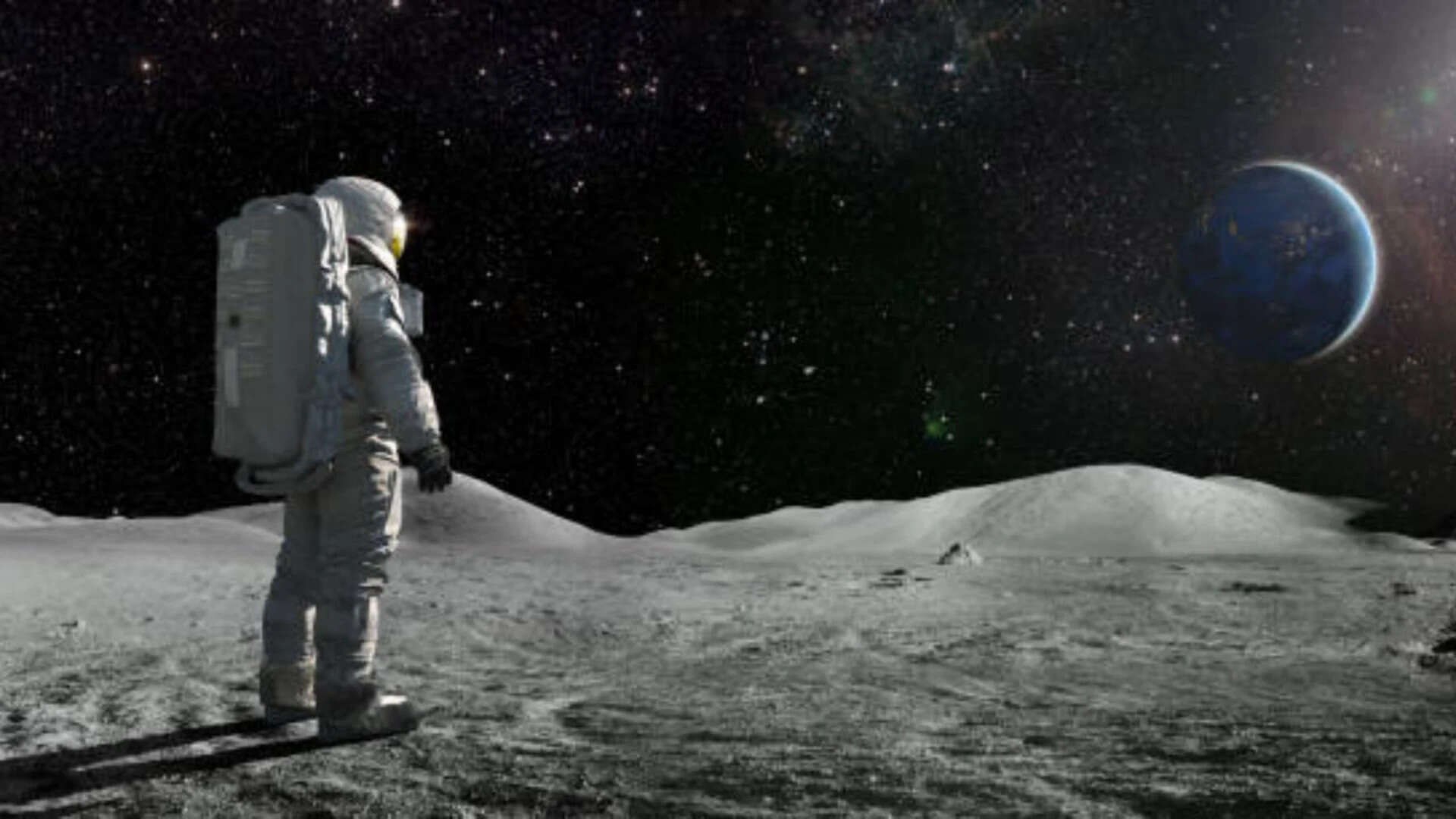
To understand why this matters, you have to look past the spreadsheets, the procurement delays, and the grand political speeches. You have to look at the dirt. Specifically, the frozen, shadowed dirt at the southern pole of the moon.
The Cold Gold Rush
Consider a hypothetical engineer named Marcus. He has spent twelve years of his life working on a single valve for a rocket that has yet to leave the pad. Marcus is brilliant, dedicated, and deeply tired. Every morning, he logs into his computer, navigates a maze of federal compliance forms, and waits for approvals that take months to clear. He wants to build the future. Instead, he manages a supply chain.
Now consider his counterpart in Beijing. We can call her Lin. Lin does not wait for quarterly congressional budget battles. Her mandates are handed down in five-year blocks, written into the very fabric of national survival. When Lin needs a valve, the factory down the road shifts production within forty-eight hours.
This is not a story about technological superiority. It is a story about momentum.
For decades, space was a sandbox where the United States played alone, occasionally glancing back to make sure Russia was still behind. We treated the cosmos like a museum, a place to leave footprints and bring back souvenirs. But China views space as territory.
The immediate prize is water.
Deep within the craters of the lunar south pole, where the sun has not shone for billions of years, lies ancient ice. To the casual observer, ice is just frozen water. To a spacefaring nation, ice is survival. It can be purified for drinking. It can be split into oxygen for breathing. Crucially, it can be processed into liquid hydrogen and oxygen—the very fuel needed to propel starships toward Mars and beyond.
The lunar south pole is the gas station of the next century. And the real estate is incredibly limited.
The Illusion of the Open Frontier
There is a comforting myth we tell ourselves about the night sky. We like to think of it as an infinite, peaceful expanse, a blank canvas where humanity’s tribal squabbles disappear. The Outer Space Treaty of 1967 even says that no nation can claim sovereignty over a celestial body.
But treaties are only as strong as the willpower of the people who sign them.
When the NASA chief voiced his concerns, he wasn't just worried about a Chinese flag being planted in the grey dust. He was worried about what happens the day after. If Beijing establishes a permanent presence at the few viable, ice-rich craters first, they can simply declare a safety zone around their operations.
They won't need to claim the moon. They will just control the access points.
Imagine driving across a vast, empty desert, only to find that the single working well for five hundred miles has been fenced off. The owner isn't claiming the whole desert; they just own the only thing that makes the desert habitable. That is the strategy unfolding above our heads right now.
It is a quiet creeping encroachment, executed while the West is distracted by its own internal politics and shifting corporate priorities.
The Weight of the Old Way
We got comfortable. That is the painful truth.
The American approach to modern space exploration has become a hydra of conflicting interests. We rely heavily on a mixture of legacy defense contractors, who profit from delays, and visionary billionaires whose personal whims dictate national capability. It is a system that breeds incredible innovation, yes, but it also breeds chaos. One year the goal is an asteroid. The next year it is a gateway station around the moon. Then it is Mars. Then back to the moon.
This whiplash kills programs. It drains the energy of people like Marcus, who watch their life’s work get canceled with the stroke of a presidential pen every four or eight years.
China does not suffer from political whiplash. Their lunar exploration program, named Chang'e after the Chinese moon goddess, has hit every single milestone on its timeline for two decades. They orbited. They landed. They returned samples. They landed on the far side of the moon—something no other nation had ever achieved.
They did it without fanfare. They did it with a silence that should terrify anyone who assumes Western dominance is a permanent law of nature.
The Human Cost of Falling Behind
It is easy to shrug and ask why this matters to the average person struggling to pay rent or buy groceries. The moon feels impossibly distant, a cold rock that has nothing to do with life on Earth.
But history tells a different story.
The nation that controls the high ground dictates the terms of the civilization below. When the British Royal Navy dominated the oceans, they shaped the global economy, the language we speak, and the laws we live by. The space of tomorrow is the ocean of yesterday.
If the rules of the lunar frontier are written entirely by an authoritarian state, the values embedded in those rules will not favor open exploration, free scientific exchange, or democratic ideals. They will favor state control, restricted access, and resource hoarding.
The uncertainty is what keeps people up at night in Houston and Washington. It is the realization that we might wake up one morning, look up at the crescent moon, and realize we are guests in a sky owned by someone else.
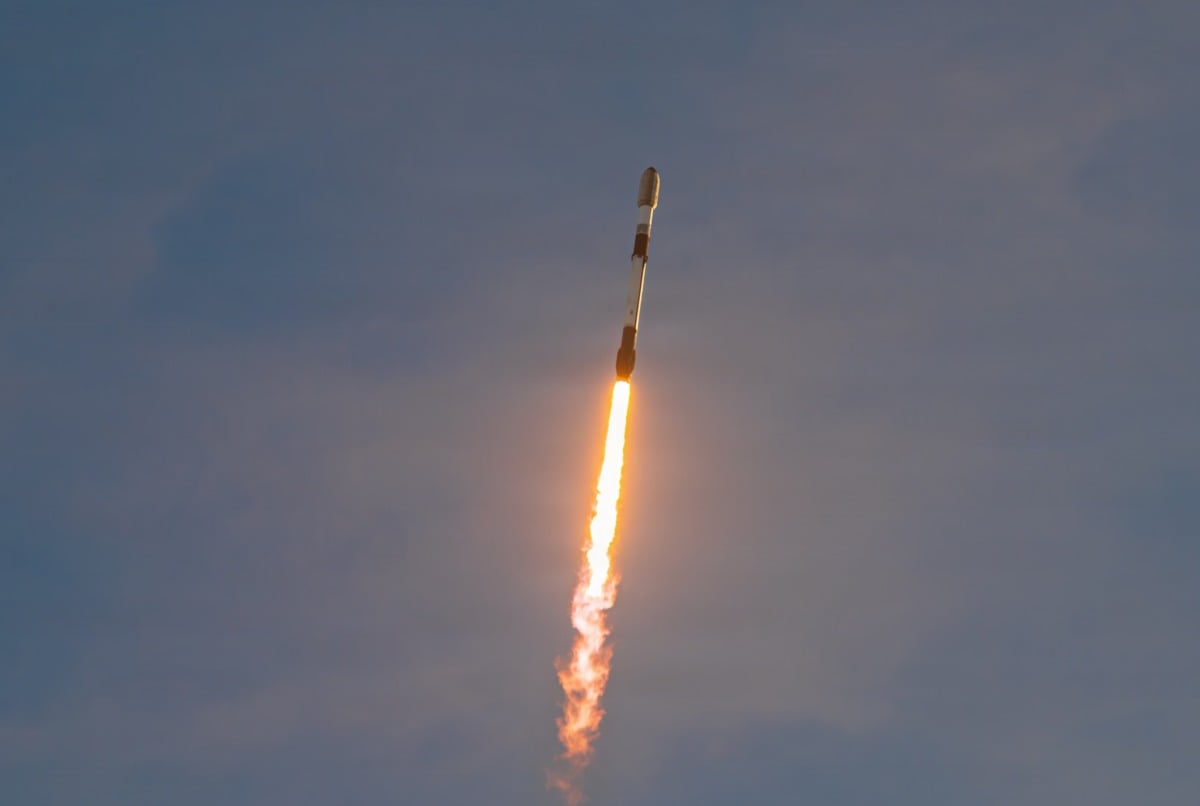
The clock is ticking. The rockets are on the pads. The only question left is whether we can find the collective will to move faster than the shadow creeping across the lunar ice.