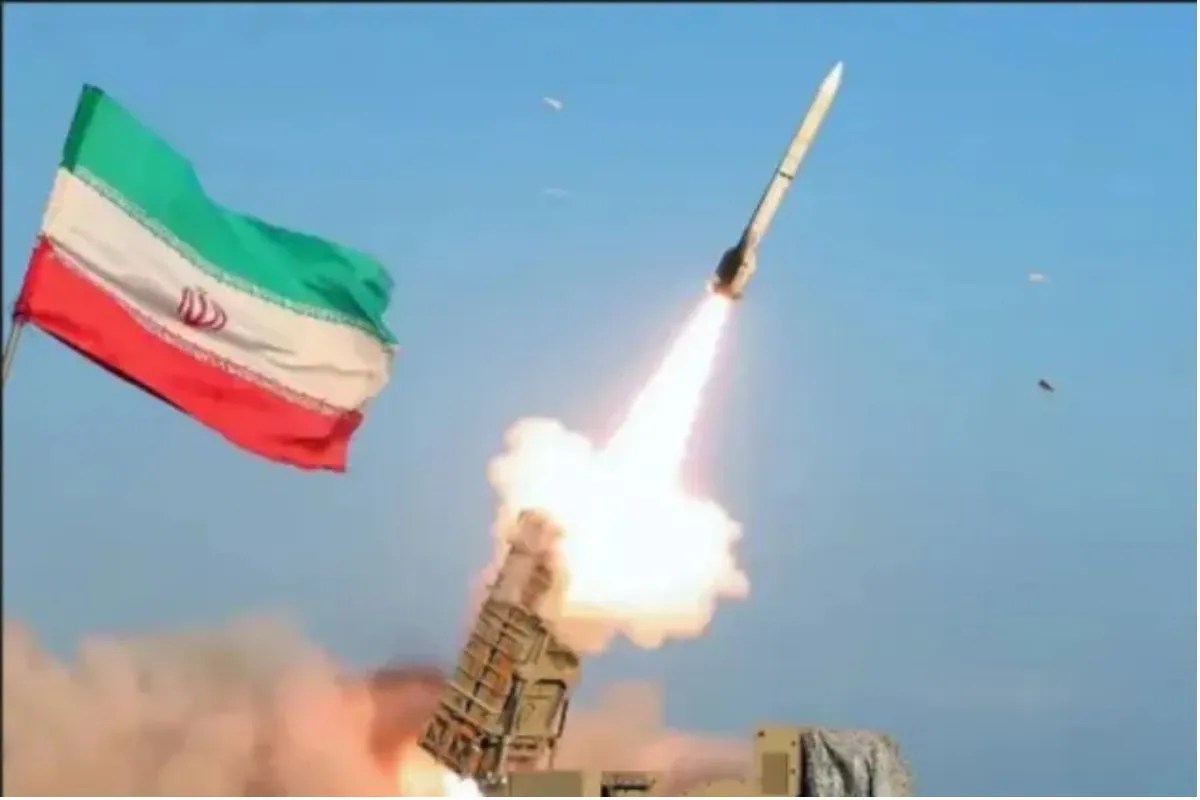
The teacup on Reza’s kitchen table did not shatter. It merely vibrated, a high, frantic chatter against the formica, before the low frequency rumble traveled up through the soles of his feet.
One.
Then a beat of heavy, suffocating silence.
Two. Three. Four. Five.
Five distinct concussions tore through the western sky over Bandar Abbas. Across the water, the lights of the Shahid Rajaee port area flickered, cast against an unnatural, bruised purple glow that suddenly painted the Persian Gulf. For the people living on the edge of the Strait of Hormuz, these sounds are no longer abstract political developments broadcast from Tehran or Washington. They are the metronome of a fracturing life.
To read the official dispatches from the world's news agencies is to consume a diet of sterile geometry. They speak of precision munitions, maritime chokepoints, and the strategic distribution of the US Central Command's fifty thousand troops across the theater. They talk about a June ceasefire brokered by Qatar and Pakistan that simply evaporated when the calendar turned to July, replaced by a third consecutive night of targeted aerial campaigns.
But a coastal city under bombardment does not experience a chokepoint. It experiences the smell of burning fuel oil carried on a humid sea breeze. It experiences the collective intake of breath from mothers rushing to the interior rooms of concrete homes, away from the glass windows that overlook the water.
The strategic reality is clear enough. The United States has initiated what it terms a systematic reduction of Iran's coastal defense capabilities, striking positions from Bushehr down to the rugged cliffs of Jask. The geopolitical chess board treats the Strait of Hormuz as a valve. Turn it one way, and twenty percent of the world’s petroleum flows smoothly to global markets. Turn it the other, and the global economy catches a fever, sending Brent crude spiking past eighty dollars a barrel within forty-eight hours while stock tickers in New York bleed red.
The human friction of this valve closing is felt in the dark. Bandar Abbas is a city that lives by the sea, anchored by sailors, port workers, and families who have watched tankers glide across the horizon for generations. When the sky lights up, that entire way of life pauses. The fishermen who usually cast their nets into the narrow strait under the cover of night stay tied to the piers. The risk of being misidentified by a drone or caught in the crossfire of a coastal defense battery is a mathematical certainty they cannot afford.
Consider what happens when the rhetoric of global leaders meets the reality of a coastal populace. On one side, the declaration that the waterway will remain open by any means necessary, backed by the reinstatement of a naval blockade. On the other, the fierce insistence from Tehran that they remain the sole guardians of these historic waters. Between these two immovable narratives sits a population watching the horizon burn, wondering if the next wave of strikes will mistake a civilian warehouse for a missile storage facility.
The true weight of this conflict is found in the uncertainty of the morning after. As the smoke clears from the western districts of the port, the local market vendors open their stalls with hesitant hands. Prices for basic goods have already begun to climb, a domestic reflection of the chaos gripping the international markets. People speak in hushed tones, avoiding the eyes of the security patrols, trying to parse the difference between state television reports and the rumors swirling through encrypted messaging apps.
We often treat these escalations as sudden, unpredictable storms. The reality is more agonizing. It is a slow, visible slide toward an edge that everyone sees coming yet feels entirely powerless to avoid. The June memorandum of understanding offered a brief, fragile moment to breathe—a period where the teacups stayed still and the sea was just the sea. Now, that window has slammed shut.
The sky over the strait eventually fades back into its natural, heavy gray dawn. The hum of American aircraft recedes into the distance, leaving behind the dull roar of emergency vehicles navigating the port’s perimeter. Reza looks out at the water, where the silhouette of a lone container ship sits idle, waiting for a clearance that may not come for weeks. The world will watch the oil charts tomorrow morning to see the cost of those five explosions. The people of Bandar Abbas will just be looking at the sky, waiting for the night to return.

