Darkness does not merely surround you when you are trapped beneath tons of earth; it presses against your chest. It has weight. It has a temperature. It tastes of damp concrete, rust, and the stale, recycled breath of a world that feels light-years away.
Imagine, if you can bear to, the moment the roar stops. That is the true terror. One second, you are working the heart of a mountain, cutting through rock and steel to bend water to human will. The next, the tunnel collapses. The world seals shut. And then comes the silence.
For two workers deep inside a hydropower tunnel in Nepal, that silence stretched out for an eternity measured in ticks of a nonexistent clock. Nine days. Two hundred and sixteen hours.
To understand what happened in that subterranean tomb, you have to look past the cold casualty figures and the bureaucratic updates issued by rescue coordinators. You have to shrink the universe down to the width of a fractured pipe and the blackness of a cave where day and night cease to exist.
Mountains are ancient, indifferent things. When engineers carve tunnels through the Himalayas to harness the raw energy of rushing rivers, they enter a silent contract with the earth. Most days, the bargain holds. Concrete linings, steel reinforcement ribs, and precise geological surveys keep the crushing weight at bay. But the earth holds all the cards. A sudden shift, a pocket of unstable debris, and a lifeline transforms instantly into a tomb.
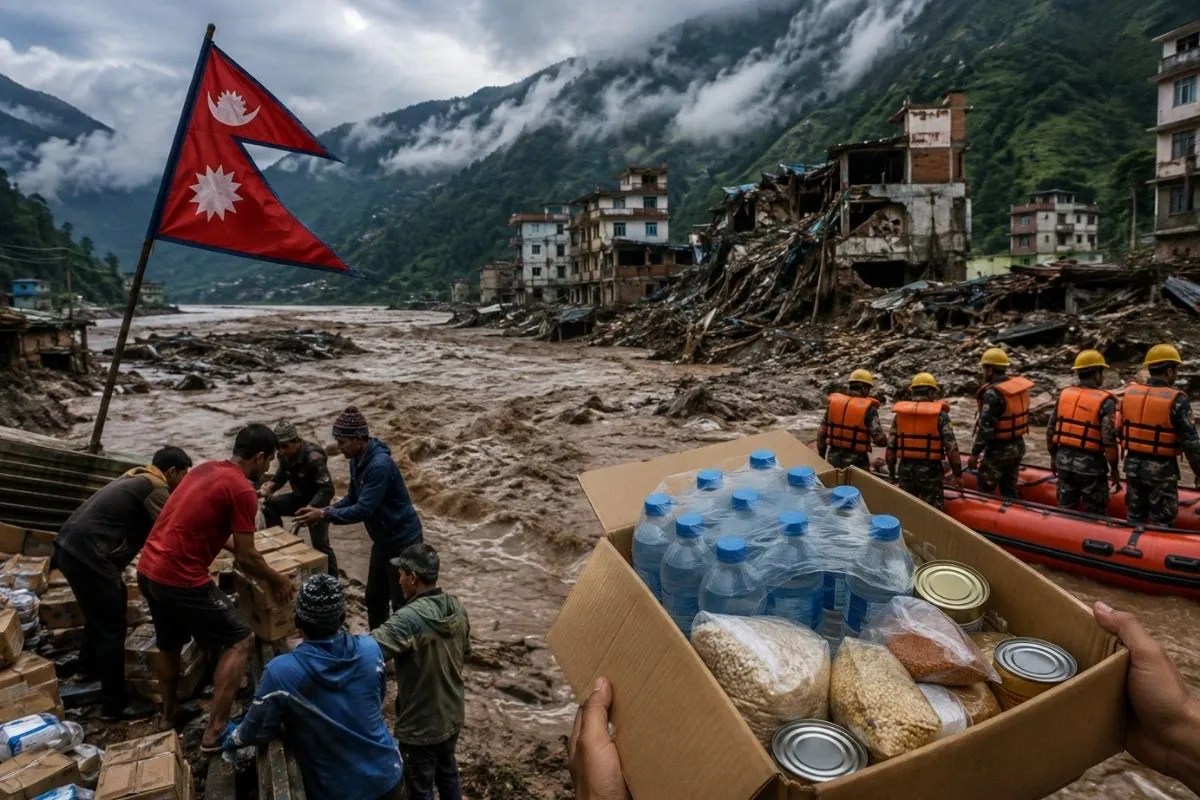
When the tunnel collapsed, rescue operations mobilized with frantic urgency. Above ground, families gathered, their faces etched with a familiar, hollow dread that anyone who has lived near major industrial projects recognizes instantly. Helicopters thrummed overhead. Heavy machinery clawed at the blockage. Engineers studied blueprints with flashlights, looking for an air pocket, a drainage pipe, a miracle of physics.
Time plays tricks on you in the dark. Without the arc of the sun or the shifting shadows of afternoon, hours bleed together into a featureless gray smear.
Deep inside the obstruction, the two men survived. How? Human resilience is a stubborn, irrational force. Cut off from food, armed only with whatever moisture could be scraped from dripping stone or collected from condensation, they fought. In these scenarios, psychological survival is just as brutal as physical endurance. Panic is a luxury you cannot afford. To let fear take the steering wheel is to invite despair, and despair finishes the job the mountain started.
(As a hypothetical scenario to illustrate the mental terrain: consider what happens in hour seventy-two. Your tongue swells. Your lips crack. Every breath tastes of grit. The mind, starved of external stimuli, begins to play cruel tricks. You hear footsteps where there are none. You hear voices calling your name from around a bend, only to find solid rock. Fighting those hallucinations takes every ounce of remaining will.)
Above, the hours ticked away into days. Hope flickered and nearly died. Search and rescue teams faced terrifying secondary collapses. Every time an excavator bit into the debris, loose gravel rained down like a warning from the mountain to back away.
Yet, they pushed forward. Specialized tunneling cameras were threaded through micro-bores. Acoustic sensors listened for the faintest tap against metal.
Then came the tap.
It was faint, barely a scratch against the dominant roar of groundwater seepage, but it was there. A rhythmic, deliberate message from the abyss. Someone was alive.
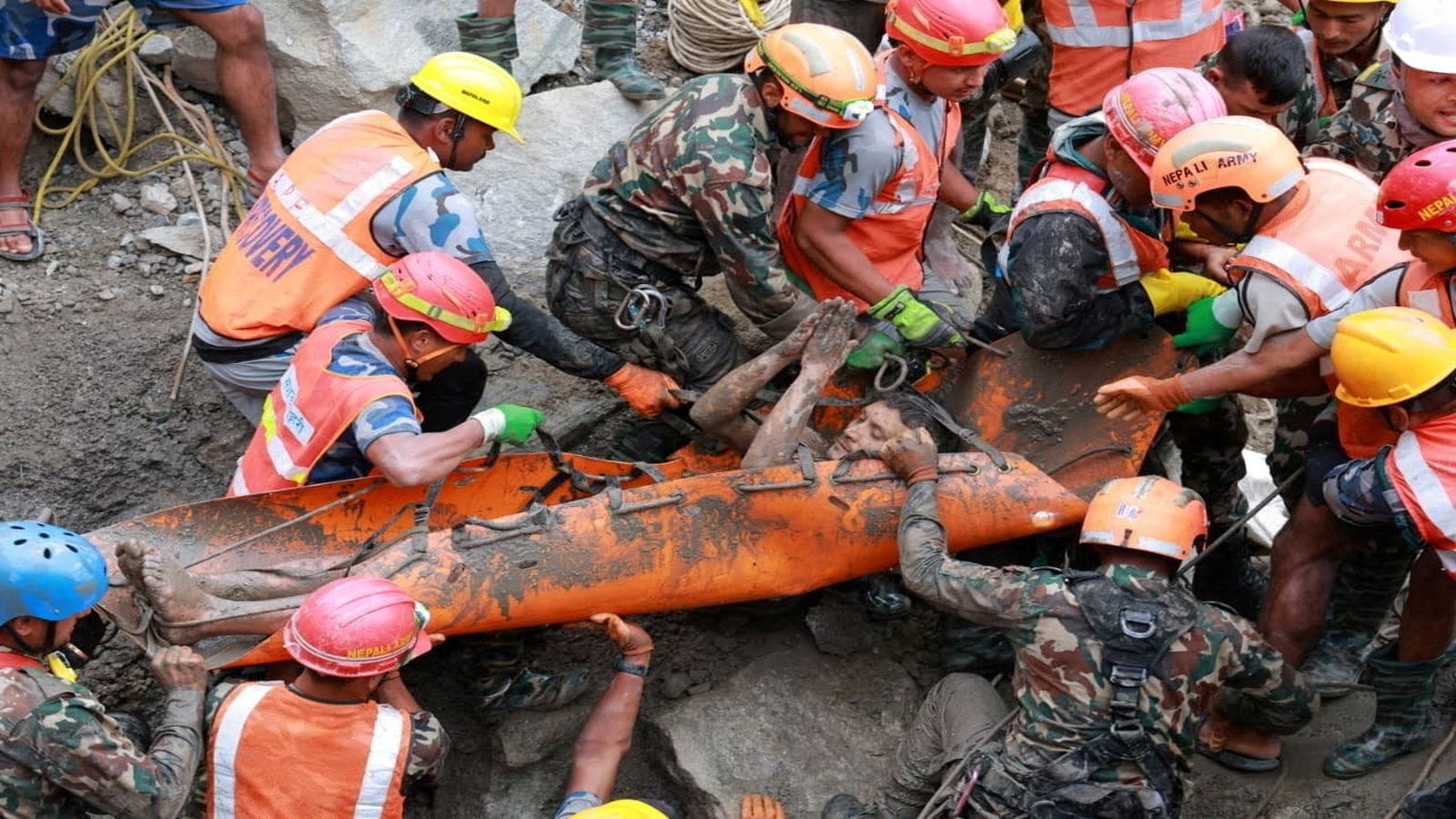
The final hours of a rescue operation are an exercise in agonizing precision. You cannot simply blast your way through when human bodies are buried inches from the cutting edge. Every shovel of dirt must be hand-cleared. Every support beam must be shored up. The tension in the air could snap a cable.
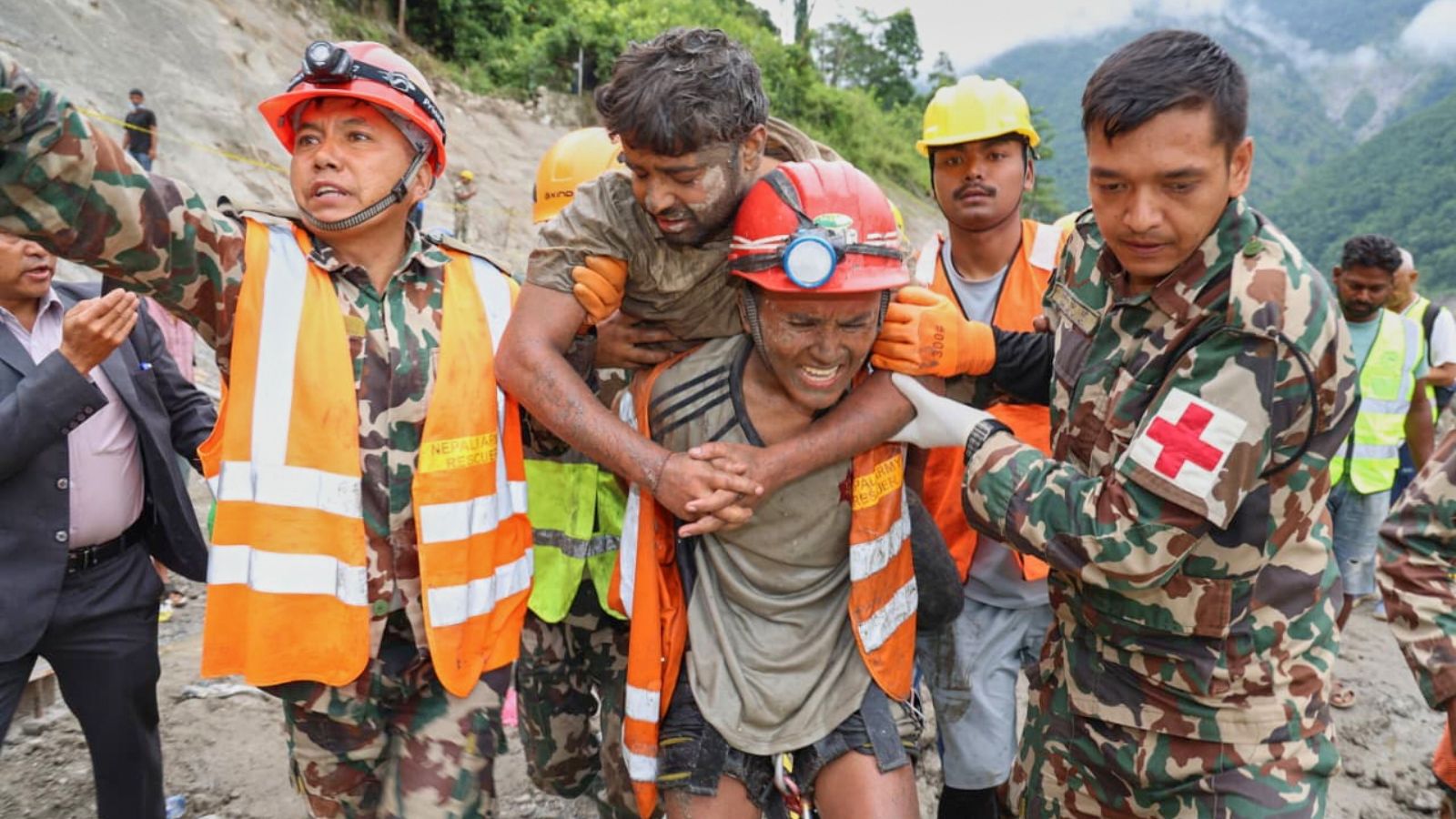
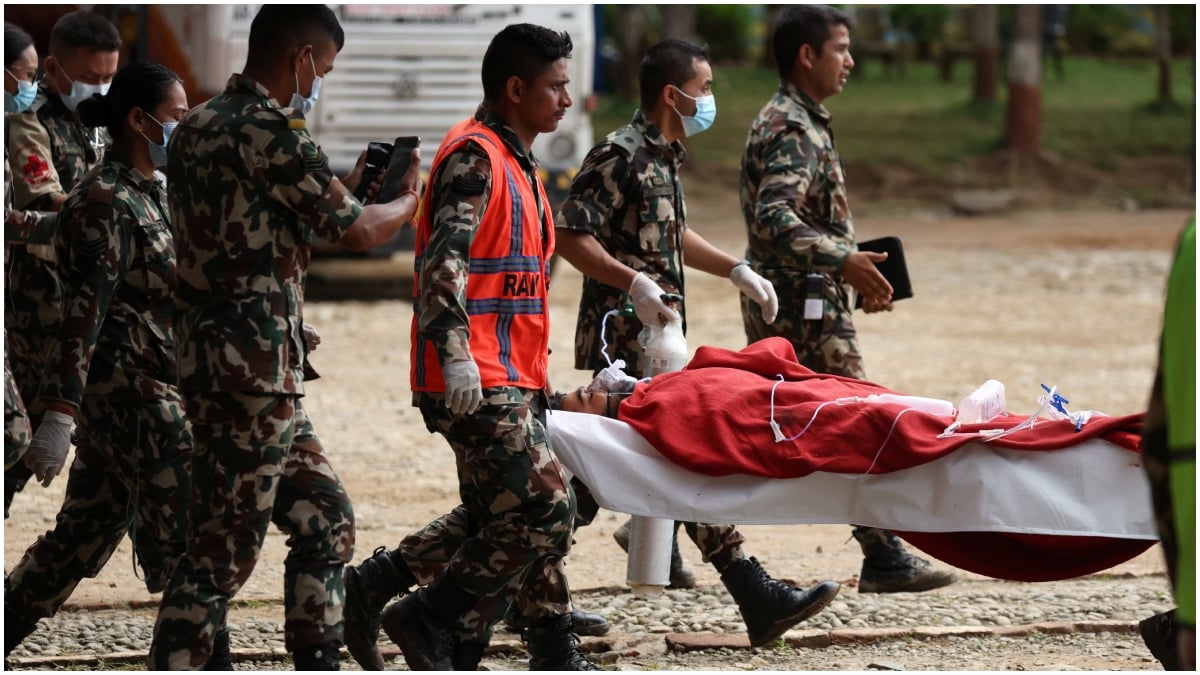
When the breakthrough finally happened, the flood of fresh air and halogen light must have felt like a physical blow. Pulled from the darkness, wrapped in emergency blankets, blinking against an indifferent sun they thought they would never see again, the two workers were handed back to the land of the living.
Miracle is a word we throw around too easily in modern journalism. We use it to describe lucky sports wins or fortuitous market trends. But a true miracle is messy, exhausting, and earned through the sweat of hundreds of anonymous rescuers who refused to pack up their gear on night six, or night seven, or night eight.
The hydropower tunnels of the world will continue to be dug. Energy demands do not recede, and human ambition respects no boundaries. We will keep punching holes through granite to light our cities and turn our turbines. But beneath every kilowatt of clean energy humming through our walls lies a human story written in dust, sweat, and an unyielding refusal to surrender to the dark.
The mountain stands unchanged, its massive peak scraping the clouds, indifferent to the lives that briefly brushed against its roots. But down below, where the steel ribs hold back the crushing weight of the earth, two men are breathing. And for now, that is enough.