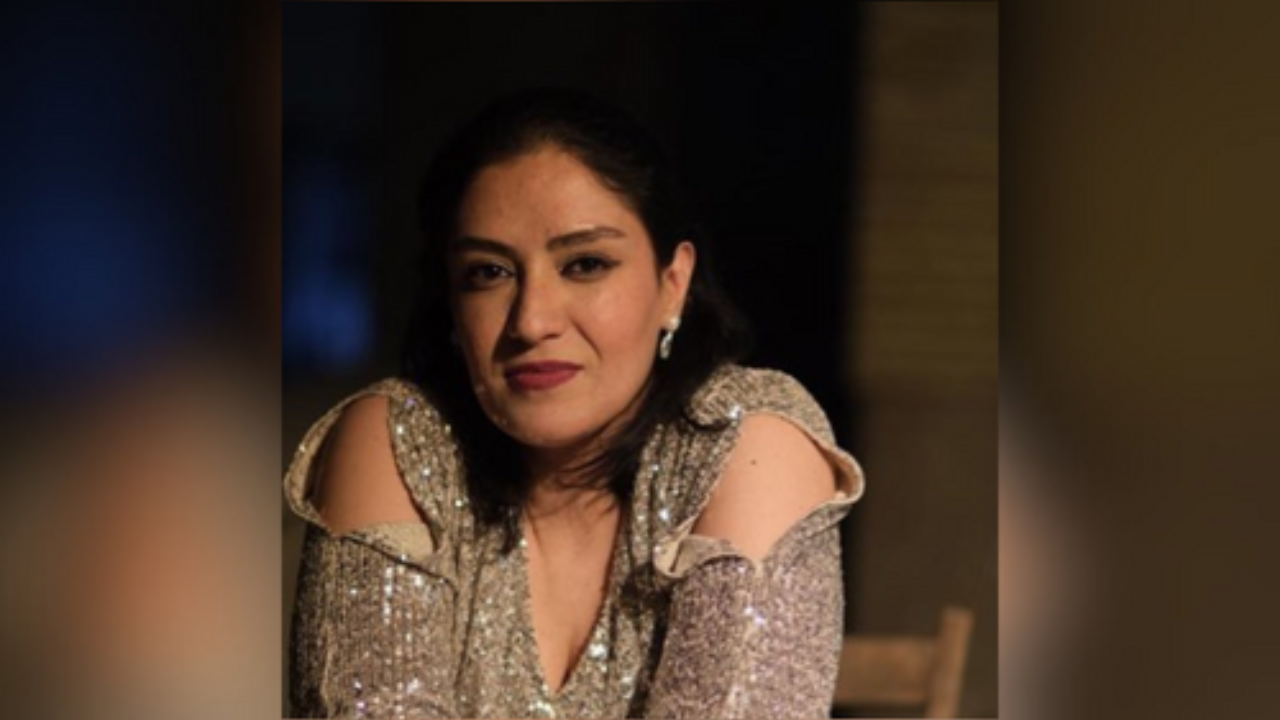
Fifteen years in a concrete box for taking pictures. That is the headline dominating the feeds. The media machine gasps, human rights groups issue polished condemnations, and Western newsrooms pen sweeping tributes to the bravery of Yalda Moaiery.
Everyone is reacting exactly how the script demands. Everyone is missing the systemic reality.
Focusing purely on the moral outrage of Moaiery’s sentence under Iran's revised 2025 espionage laws treats a structural weapon like a localized anomaly. It assumes that authoritarian regimes respond to polite diplomatic scolding or that judicial systems like Tehran’s Revolutionary Court operate under a misinterpretation of international norms. They do not. They operate exactly as designed.
The Comforting Illusion of Press Freedom Narratives
The lazy consensus in mainstream reporting frames photojournalists in repressive states as heroic truth-tellers fighting an uphill battle against censorship with a camera lens. This is comforting. It frames information control as a cat-and-mouse game where a brave individual can smuggle pixels past clumsy censors.
The data says otherwise. Modern state surveillance and counter-espionage apparatuses do not just tolerate independent media; they weaponize its suppression to solidify internal control.
When the Islamic Revolutionary Guard Corps raided Moaiery’s home and seized her childhood cameras, they weren't just executing a localized crackdown. They were enforcing a legal doctrine tailored to the geopolitical friction points of 2025 and 2026. Amendments to penal codes targeting interaction with foreign outlets aren't procedural loopholes. They are calculated barriers designed to sever the feedback loop between localized domestic dissent and external global visibility.
Decoding the Legal Architecture
Let us look past the emotional resonance of a 15-year sentence and examine the operational mechanics.
Under Article 4 of Iran's amended espionage legislation, the state compressed appeal windows and broadened the definition of hostile collaboration to include sharing imagery of localized infrastructure damage or conducting foreign media interviews.
- The Traditional View: The state is afraid of images because images reveal the truth.
- The Structural Reality: The state utilizes the production of those images to legally criminalize foreign network linkage.
When a photojournalist transmits files to international broadsheets or networks like CNN, they are operating within an ecosystem that the state has intentionally designated as an extension of hostile statecraft. Pretending that courts will grant fair due process or transparent case files is a category error. Expecting legal consistency from a Revolutionary Court is like expecting a casino to apologize for the house edge.
The Cost of Symbolic Martyrdom
There is a dark incentive loop here that international journalism advocates refuse to acknowledge. Western media outlets consume the output, validate the risk, award the prizes, and then watch from a safe distance as the local contributor absorbs the blowback.
Moaiery herself stated the raw calculus clearly: she has nothing left to lose because the state took everything. That is the defining tragedy. International solidarity campaigns provide moral validation, but they do not alter the physical calculus of a prison cell.
If we want to understand how information survives in closed societies, we have to stop treating state repression as a surprise violation of rules. It is the rule itself.
The next time an authoritarian state hands down a draconian multi-decade sentence to an independent reporter, drop the script of astonishment. Measure the state not by its compliance with international human rights standards it explicitly rejects, but by its ruthless efficiency in securing its own perimeter.