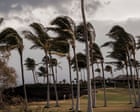
Every time a weather system brushes the Hawaiian islands, the media apparatus grinds into gear with predictable panic. The headlines scream about destruction, wind, and rain, painting a picture of an archipelago on the brink of total collapse.
Let us look at the reality behind Tropical Storm Lala instead of swallowing the standard broadcast hysteria.
I have watched meteorologists hyperventilate over downgraded depressions for decades. They live for the ratings boost that comes from a yellow warning box on a cable news ticker. When Lala weakened from a hurricane to a tropical storm before lashing the islands, the tone of the coverage did not adjust to reflect the reality of lower wind speeds. Instead, reporters doubled down on the theater. They stood in parking lots getting splashed by mild gusts, shouting into microphones as if broadcasting from the edge of an extinction-level event.
This is not reporting. This is performance art designed to monetize your anxiety.
The Engineering Reality Nobody Mentions
Let us talk about infrastructure resilience, because that is where the narrative falls apart completely.
Hawaii is not built out of cardboard and optimism. Decades of strict building codes, reinforced concrete engineering, and mandatory hurricane-strap requirements mean that a tropical storm bringing heavy wind and rain is a standard Tuesday for local civil engineers. When meteorologists breathlessly report that a wind gust reached forty miles per hour in a localized pocket, they omit the fact that modern residential framing handles double that without structural fatigue.
The lazy consensus says that every weather event is getting worse, more dangerous, and uniquely catastrophic because of shifting global baselines. The data tells a much more nuanced story. Storm frequency in the Central Pacific fluctuates within well-documented historical norms. What has changed is not the ferocity of the weather, but the density of real estate development and the speed at which sensationalized footage travels across social media feeds.
More asphalt means more localized flooding. More beachfront condos mean more property exposed to normal wave action. Blaming the atmosphere for urban planning shortcomings is a convenient way for municipal leaders to avoid accountability.
The Cost of Continuous Crisis Messaging
When every minor tropical depression is treated like a five-alarm emergency, the public experiences severe warning fatigue.
Cry wolf enough times about a downgraded system dropping average rainfall on Honolulu, and people stop evacuating when a genuine threat materializes. That is the hidden danger of sensationalist weather coverage. It trains citizens to ignore critical safety directives because they have learned through trial and error that the local news station exaggerates every single forecast model to juice ad revenue.
True preparedness looks boring. It involves clearing your gutters, trimming dead tree branches, keeping a three-day supply of non-perishables, and checking your insurance policy deductible. It does not look like standing on a Waikiki seawall in a neon windbreaker while a camera crew films you getting damp.
The next time a downgraded storm approaches the islands, turn off the cable broadcast. Look at the actual barometric pressure trends, check the municipal drainage reports, and realize that human resilience has beaten worse than a tropical downpour for centuries.
Stop buying the panic. Start demanding better engineering and honest reporting.