The headlines are screaming about a "shipping blockade" and "threatened ports." It’s a tired script. We are told that the United States is ready to choke off Iranian exports and that Tehran, in a fit of desperate symmetry, will shut down the regional hubs that keep the global economy breathing.
It is a narrative built on a fundamental misunderstanding of how modern maritime logistics actually work. Most analysts treat the Strait of Hormuz and the Persian Gulf like a game of Risk, where placing a plastic piece on a territory means you own the flow of goods. In reality, the "blockade" is a ghost, and the threat to regional ports is a calculated bluff that neither side can afford to call.
The Blockade Fallacy
The mainstream media loves the word "blockade" because it sounds decisive. It conjures images of steel walls and absolute control. In the current geopolitical theater, a total U.S. shipping blockade of Iran is a logistical and legal impossibility.
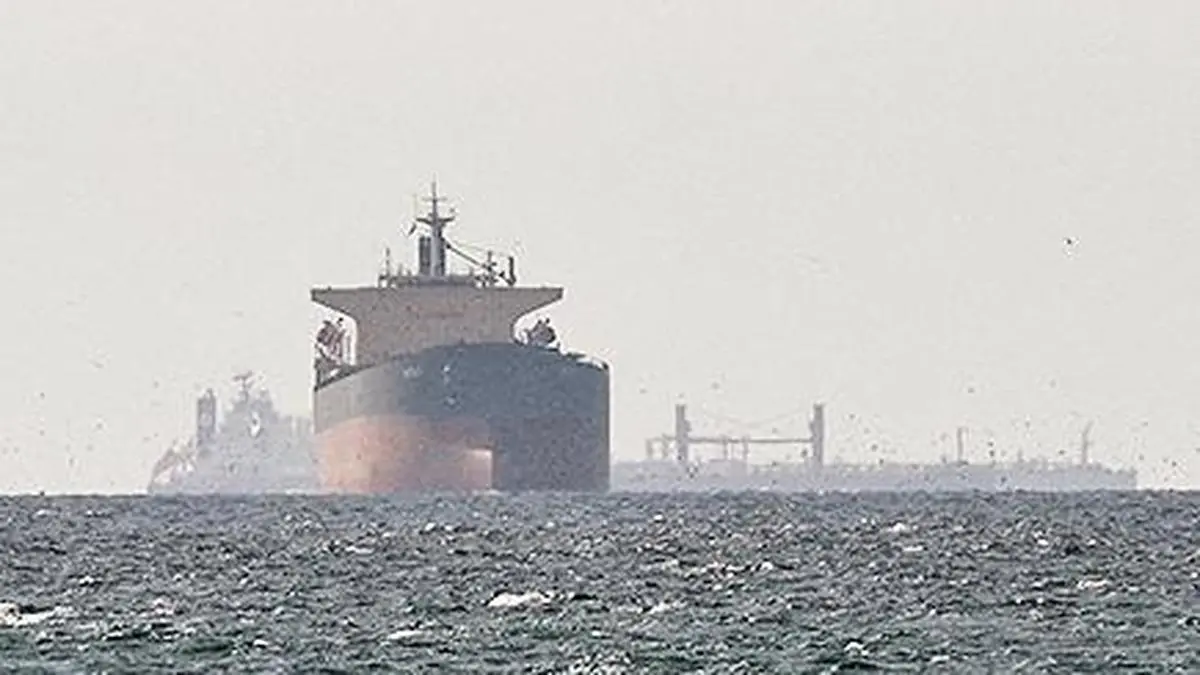
To actually "blockade" a nation, you must intercept every vessel. Iran doesn’t just use its own flagged ships; it utilizes a "ghost fleet" of aging tankers, complex ship-to-ship transfers in international waters, and a web of shell companies that would make a forensic accountant weep. Unless the U.S. Navy is prepared to start sinking Panamanian-flagged vessels owned by anonymous entities in the Marshall Islands—thereby triggering a global insurance crisis and a diplomatic nightmare with every neutral flag state—the "blockade" remains a series of expensive, high-profile seizures that look good on cable news but do little to stop the subterranean flow of oil.
The real friction isn't at sea. It’s in the ledgers. Sanctions target the money, not the molecules. When we talk about a "blockade," we are really talking about increasing the cost of doing business. Iran still moves its product; it just sells it at a massive discount to refineries in Asia that are willing to stomach the risk. The "blockade" is a tax, not a barrier.
Why Iran Won’t Sink the Ports
The flip side of this fear-mongering is the idea that Iran will "retaliate" by targeting the massive port infrastructures of its neighbors. This assumes Iran is a nihilistic actor. It isn’t. Tehran’s primary goal is the survival of the regime, and blowing up the ports of Jebel Ali or Khalifa is a fast track to collective suicide.
Regional ports are not just concrete piers. They are the nervous system of the global supply chain. They are heavily invested in by Chinese state-owned enterprises. If Iran hits a port where China has billions in "Belt and Road" equity, they aren't just poking the U.S. eye; they are severing their own most important economic lifeline. Iran’s survival depends on its ability to bypass Western markets by leaning on the East. You don't burn down the house of the person who buys your only export.
The "threat" to ports is psychological warfare designed to spike insurance premiums and force the West to the negotiating table. It’s a leverage play, not a military strategy.
The Underestimated Resilience of Maritime Trade
We have been conditioned to think that the global economy is a house of cards. One "blockade," and everything falls. I’ve spent years analyzing supply chain disruptions, from the Ever Given getting stuck in the Suez to the Houthi attacks in the Red Sea. What we consistently see is that trade is like water—it finds a way around the rocks.
When the Red Sea became a "no-go" zone for many Western carriers, the world didn't stop. Freight rates spiked, routes lengthened around the Cape of Good Hope, and the "just-in-time" model took a bruising. But the goods moved. The idea that a regional flare-up in West Asia will permanently "collapse" global trade ignores the incredible adaptability of modern logistics.
The Cost of the "Safety" Narrative
The obsession with maritime security often masks a deeper incompetence in domestic energy and trade policy. Governments use the "threat of a blockade" to justify interventionist policies or to distract from the fact that they haven’t diversified their energy dependencies.
- Artificial Scarcity: Fear of a blockade allows speculators to drive up energy prices long before a single barrel of oil is actually delayed.
- Over-Militarization: We spend billions on carrier strike groups to "protect" trade routes that are actually kept open by the mutual economic interests of the players involved.
- The Insurance Trap: The primary beneficiary of "increased tension" isn't a military power; it's the maritime insurance industry, which can hike "War Risk" premiums based on rhetoric alone.
Breaking the Premise: The Question You Should Be Asking
People often ask: "Will the U.S. blockade succeed in stopping Iran?"
That is the wrong question. The right question is: "Who profits from the perception of a blockade?"
The U.S. gains domestic political points for "taking a hard line." Iran gains domestic "resistance" credibility. Defense contractors secure more funding for "freedom of navigation" operations. The only loser is the global consumer paying a "geopolitical risk" premium on every gallon of gas and every shipped container.
The Reality of Naval Power in the 2020s
We need to stop pretending it is 1942. A traditional naval blockade requires "command of the sea." In the age of low-cost drones, anti-ship missiles, and cyber-warfare, no one has absolute command of the Persian Gulf.
The U.S. military is aware that its multi-billion dollar assets are vulnerable to $50,000 "suicide" drones. This creates a stalemate, not a blockade. It is a "Fleet in Being" strategy where both sides keep their toys in the box because the cost of losing one is too high.
If you are waiting for a dramatic naval battle or a total shutdown of regional ports, you are watching the wrong movie. The conflict is a slow, grinding war of attrition fought in bank accounts and insurance offices. The "shipping blockade" is a metaphor, not a military maneuver.
Stop Buying the Hype
If you are a business leader or an investor, ignore the "Port Armageddon" headlines. Look at the data. Look at the volume of "dark" shipments moving through the region. Look at the Chinese investment in regional infrastructure.
The status quo is a messy, expensive, and loud stalemate. It is not a precursor to a total trade collapse. The ports will stay open because the alternative is a global depression that neither the "blockaders" nor the "threatened" can survive.
The next time you see a headline about a "shipping blockade," remember that in the 21st century, the most effective walls are built with SWIFT codes, not battleships.
Stop expecting a knockout blow. This is a wrestling match that never ends.