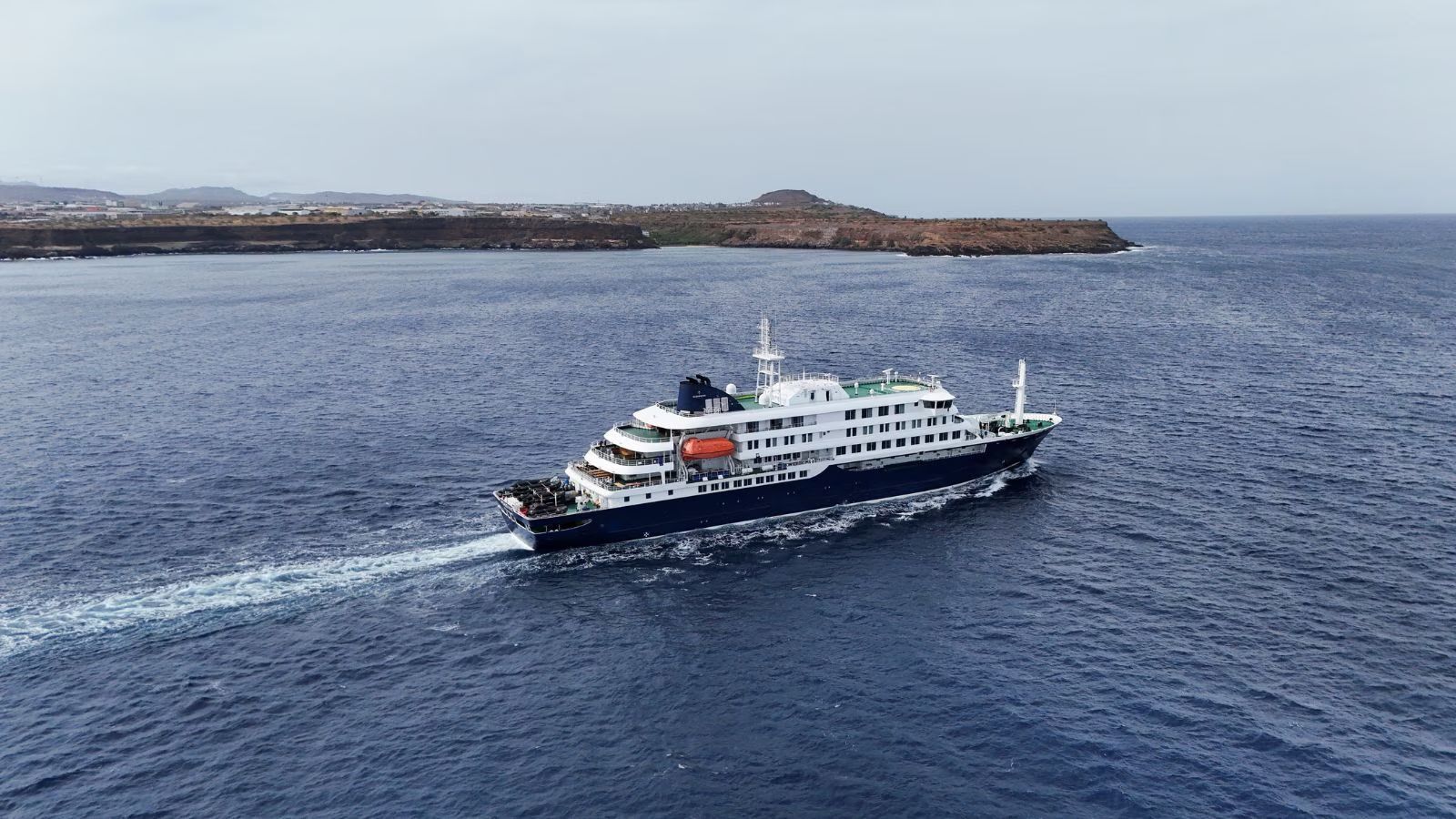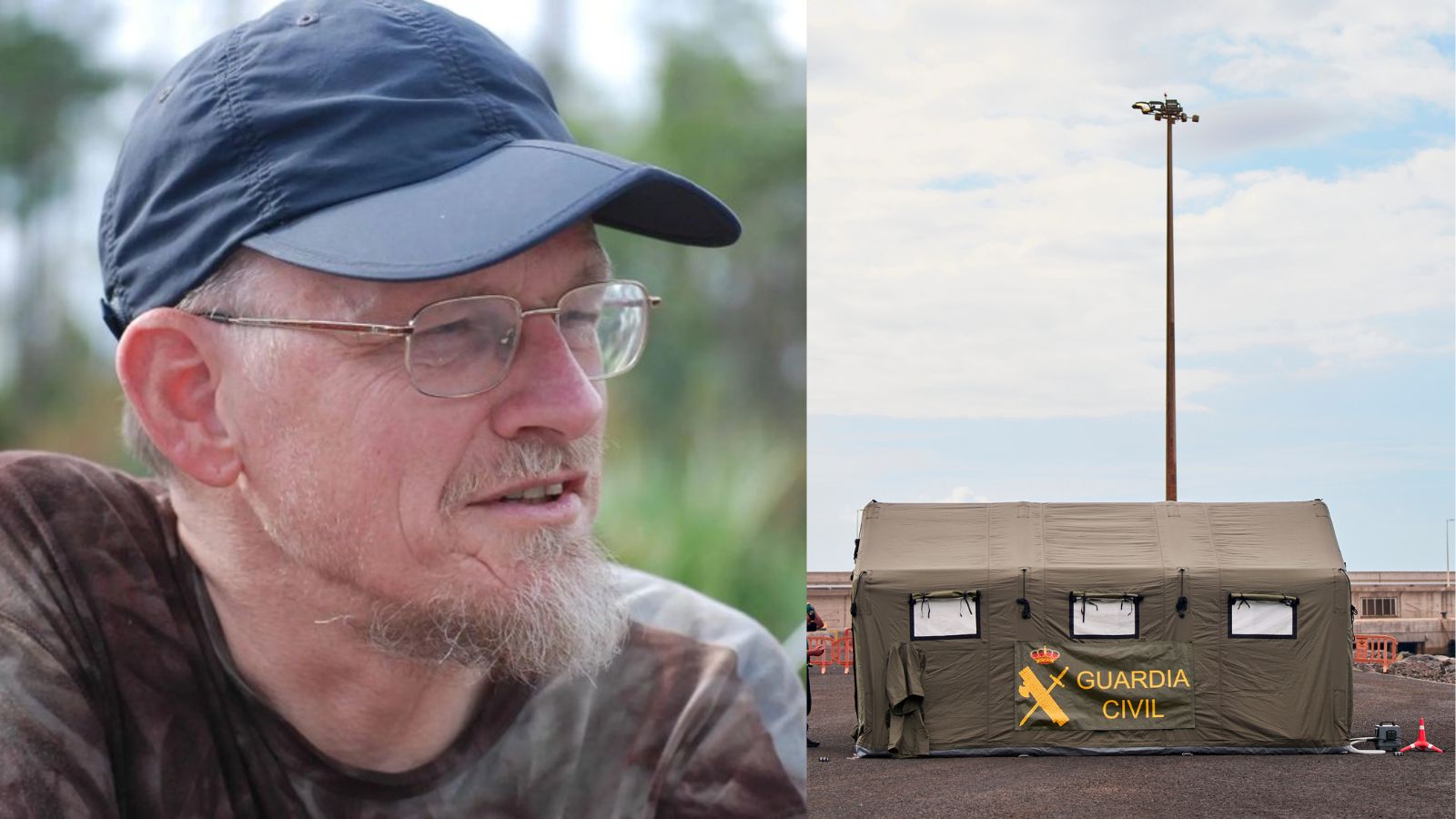
The narrative is always the same. A lone birdwatcher wanders into the brush in search of a rare specimen, breathes in the wrong microscopic particle, and boards a cruise ship to become the harbinger of doom. Media outlets salivate over the "Patient Zero" trope because it provides a convenient villain. It turns a complex biological event into a campfire ghost story.
But the obsession with pinning an entire outbreak on one Dutch hobbyist isn't just lazy journalism. It’s dangerous.
By focusing on the individual, we ignore the systemic failures of the travel industry and the biological reality of how viruses actually move. You want to blame the guy with the binoculars? Fine. But while you’re busy pointing fingers at one man, you’re missing the fact that the entire cruise ship infrastructure is a petri dish by design. The "Patient Zero" hunt is a distraction from the uncomfortable truth: modern travel is an all-you-can-eat buffet for pathogens, and no amount of contact tracing can fix a flawed environment.
The Patient Zero Fallacy
We love the idea of a single source. It implies that if we had just stopped that one person, everything would be fine. This is a fundamental misunderstanding of viral load and community spread.
In the case of the Dutch birdwatcher and the infamous cruise outbreak, the narrative suggests he was the sole spark. In reality, infectious diseases rarely work like a single match hitting a hay bale. They work like a slow-burning embers already scattered across a forest.
I have spent years analyzing how industries respond to crises. In the corporate world, when a product fails, you don't blame the first customer who bought it; you look at the factory. In the cruise industry, the "factory" is a pressurized steel can with recycled air, high-touch surfaces, and thousands of people from different immunological backgrounds shoved into a confined space.
The Dutch birdwatcher wasn't a biological weapon. He was a statistical inevitability. If it wasn't him, it would have been the grandmother from Ohio or the honeymooners from London. When you put 3,000 people in a closed loop, you aren't managing safety; you're managing a countdown.
The High Cost of the Hygiene Theater
Since the world went sideways a few years ago, the cruise industry has leaned hard into "Hygiene Theater." You see it everywhere: the ubiquitous hand sanitizer stations, the crew members in gloves, the constant wiping down of railings.
It’s a performance. It’s meant to make you feel safe while doing absolutely nothing to address the primary way respiratory and zoonotic illnesses actually spread: the air.
Most cruise ships are aging relics. Their HVAC systems were designed for comfort, not clinical-grade filtration. While the industry touts its "enhanced cleaning protocols," they are effectively trying to mop up a flood while the faucets are still running at full blast.
- The Surface Myth: We know that most significant outbreaks are airborne or droplet-based. Scrubbing a table for the tenth time is a waste of resources that should be spent on HEPA filtration and UV-C air sterilization.
- The Screening Sham: Temperature checks and health questionnaires are easily bypassed by a dose of ibuprofen or a simple lie. Relying on them as a primary defense is like using a screen door to stop a hurricane.
The "Patient Zero" narrative reinforces this theater. It suggests that if we just screen better, we can keep the "sick" people out. It ignores the reality of asymptomatic shedding and the sheer volume of human movement.
Why We Need the Villain
Why does the media cling to the birdwatcher story? Because it’s a better "click" than a technical manual on ventilation.
Human beings are hardwired to seek agency. We want someone to blame. If we can blame a Dutch man looking for a rare bird, we don't have to blame our own desire to travel in high-density floating hotels during a period of global viral instability.
Labeling someone "Patient Zero" is a form of secular excommunication. It shames the sick. This creates a perverse incentive for travelers to hide symptoms, skip the infirmary, and keep ordering drinks at the lido deck bar while they hack up a lung.
I’ve seen this play out in the tech industry during security breaches. If you punish the first employee who clicks a phishing link, you don't stop the hackers. You just ensure that the next employee who clicks a link will hide it until the entire server is encrypted.
By vilifying the birdwatcher, we’ve ensured that the next "Patient Zero" will do everything in their power to stay under the radar. We aren't making cruises safer; we're making them more secretive.
The Contrarian Truth: Ships are Biological Dead Ends
Let’s get brutal. The very things that make a cruise enjoyable—the shared dining, the crowded theaters, the social atmosphere—are the exact things that make them a nightmare for public health.
You cannot have a "safe" cruise in the way the industry promises. You can only have a "calculated risk."
The industry’s biggest lie is the "bubble." The idea that you can create a sterile environment that moves across borders is a fantasy. Every port of call, every new supply delivery, and every crew rotation pops that bubble.
Instead of chasing the ghost of Patient Zero, we should be demanding a total overhaul of maritime architecture. We need to stop talking about hand sanitizer and start talking about air change rates per hour ($ACH$).
Imagine a scenario where a ship’s air is completely refreshed every six minutes, rather than recycled. Imagine if cabin isolation wasn't an afterthought but a core design feature. That would cost billions. It would eat into the profit margins of the major lines. So instead, they give you a story about a birdwatcher.
Stop Asking the Wrong Questions
People always ask: "How do we keep the sick people off the ships?"
That is a flawed premise. You will never keep the sick people off.
The real question is: "How do we build a ship that doesn't turn one sick person into a thousand?"
The current response to outbreaks is reactive and punitive. We wait for people to get sick, then we trap them in their cabins, effectively turning their vacation into a prison sentence. This is the "Diamond Princess" model, and it was a catastrophic failure of ethics and logic.
If we want the industry to survive, we have to stop the search for the individual culprit. We have to accept that pathogens are a permanent feature of global travel.
The Uncomfortable Advice for the Modern Traveler
If you are waiting for the industry to "fix" this, you are going to be waiting a long time. They are too busy selling the dream of the open sea to worry about the reality of the closed ventilation duct.
- Stop Trusting the Questionnaire: Everyone else is lying on theirs so they don't lose their $5,000 deposit. Assume everyone on board is a carrier.
- Audit the Air, Not the Surfaces: Before you book, ask about the MERV rating of the ship's filters. If the cruise line can't tell you, they don't care about your health.
- Reject the Hero/Villain Narrative: When the next outbreak happens—and it will—don't look for the "Patient Zero." Look for the executive who decided that upgraded air filtration was too expensive for this quarter’s earnings report.
The birdwatcher was just a guy in the woods. The outbreak was a failure of engineering and an industry-wide refusal to acknowledge that the old way of doing business is dead.
The ship didn't get sick because of one man. It was sick before he ever stepped on the gangway.
The industry doesn't need better screening. It needs a sledgehammer to its own complacency.
Stop looking at the binoculars and start looking at the vents.