Sanctions bite hard. Yet Iran keeps pushing forward. Iranian President Masoud Pezeshkian recently stepped up to the microphone and threw down a heavy claim. He stated that Washington tried to turn Tehran into another Venezuela. They wanted total economic collapse. They wanted regime change through starvation and financial isolation.
Did it work? Not quite.
Pezeshkian publicly lauded the resilience of the Iranian public against these intense American attacks. It is a classic narrative of defiance, but it carries real geopolitical weight. When you look at how foreign policy plays out on the ground, the rhetoric matches a long-standing pattern of economic warfare met with stubborn survival tactics. Let's break down what is actually happening behind the headlines.
The Venezuela Comparison Explained
Why reference Venezuela? It's not a random pick. Washington historically targeted Caracas with maximum pressure campaigns, oil embargoes, and financial blockades to trigger internal implosion. The playbook is simple. Cut off the primary export, drain the foreign reserves, spark hyperinflation, and wait for the streets to boil over.
Tehran saw that blueprint coming from a mile away.
When U.S. administrations piled on sweeping sanctions over the years, the goal was identical. Officials in Washington openly talked about bringing Iran's oil exports down to zero. They wanted to squeeze the economy until leadership folded. Pezeshkian's recent remarks highlight that exact threat. He is telling his domestic audience that foreign powers wanted the exact same oil-dependent economic failure seen in South America.
By framing the struggle this way, the administration achieves two things. First, it rallies nationalist sentiment. Second, it shifts the blame for domestic inflation and currency devaluation entirely onto external actors. It is effective politics. People dealing with high grocery prices find a clear target for their frustration.
How Iran Adapts to Economic Isolation
You cannot talk about Iranian resistance without looking at the underground mechanics of survival. When the global banking system shuts its doors via SWIFT bans and secondary sanctions, countries get creative.
Iran didn't just sit back and take the hits. They built workarounds.
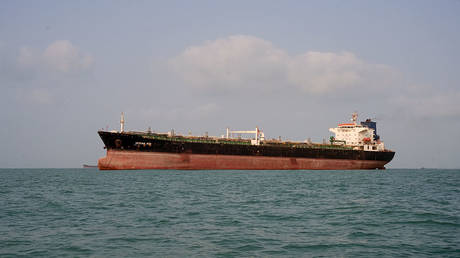
- Smuggling networks expanded to keep oil moving through shadowy ship-to-ship transfers.
- Barter systems grew to trade crude for essential goods like food and medical supplies.
- Domestic manufacturing got a forced boost because imported consumer goods became too expensive.
These moves come with a massive cost. Ordinary citizens bear the brunt of a crippled currency and high unemployment. Corruption thrives in the shadows of black-market trade. The middle class shrinks. Yet, the state apparatus survives. That is the core paradox of heavy sanctions. They rarely achieve quick political overthrow. Instead, they entrench hardliners, militarize the economy, and make the population dependent on state subsidies just to stay afloat.
The Regional Chessboard
Sanctions do not exist in a vacuum. Tehran's foreign policy relies heavily on its regional network of alliances. From Lebanon to Iraq and Yemen, these relationships act as both a shield and a sword.
Washington calls it state-sponsored instability. Tehran calls it forward defense.
When Pezeshkian praises resistance, he is nodding to this entire ecosystem. The strategy is designed to raise the cost of confrontation for Western powers. If pushing Iran too hard causes regional friction points to flare up, global markets react. Oil prices spike. Shipping lanes get nervous.
That leverage is precisely why military options take a back seat to economic ones. Nobody wants a full-scale conventional war in the Gulf. So, the battle plays out through cyber attacks, proxy friction, and financial blockades.
What Comes Next for Tehran and Washington
The cycle shows zero signs of slowing down. New administrations in Western capitals bring new rounds of designations, asset freezes, and diplomatic warnings. Meanwhile, leadership in Tehran doubles down on self-reliance narratives and looks East for trade partners.
Deals with major Asian economies keep the lights on. They don't solve every structural flaw, but they provide enough oxygen to prevent total suffocation.
You have to look past the political posturing to understand the reality. Neither side is backing down. Washington views maximum pressure as a necessary tool to curb regional ambitions. Tehran views survival under fire as proof of divine or ideological legitimacy. Until someone changes the playbook entirely, expect more of the same economic trench warfare.