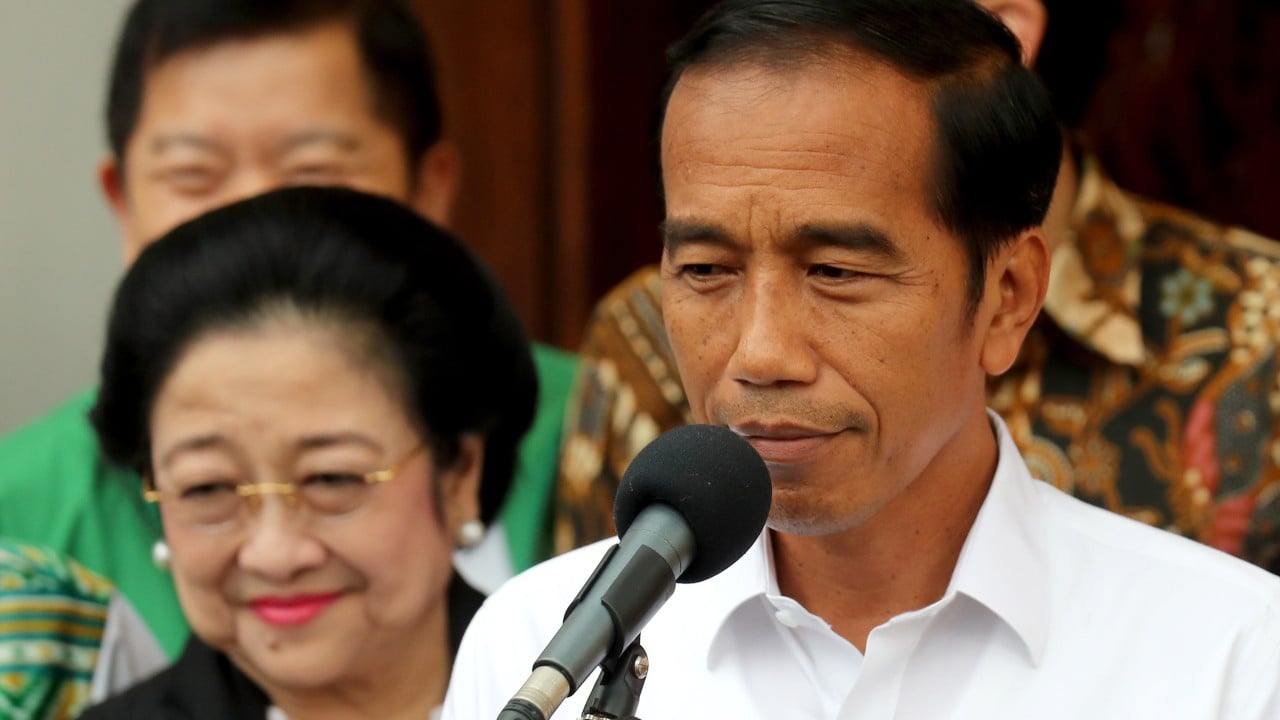
Indonesian politics changed the moment family ambition clashed directly with party control in the city of Surakarta, commonly known as Solo. When Joko Widodo built his political identity from the ground up in Central Java, he relied on the Indonesian Democratic Party of Struggle, or PDI-P, led by Megawati Sukarnoputri. That partnership eventually fractured. The local showdown in Solo exposed a massive fault line between an entrenched party machine and a rising executive dynasty. If you want to understand how power works in Jakarta today, you have to look closely at what happened on the ground in Solo.
Most outside observers miss the core mechanism of Indonesian regional politics. They think elections are purely about ideological battles or national party manifestos. In reality, local contests function as high-stakes chess matches where personal networks, familial legacy, and party discipline collide. Solo served as the primary testing ground where President Joko Widodo—widely known as Jokowi—pushed the boundaries of what a political family could achieve against the wishes of party elites.
The Weight of the PDI-P Machine
Megawati Sukarnoputri commands one of the most disciplined political apparatuses in modern Southeast Asia. As the daughter of Indonesia’s founding president Sukarno, she built PDI-P into a formidable organization based on strict hierarchical loyalty. For years, the party functioned as the ultimate gatekeeper for aspiring leaders. If you wanted to run for office in Central Java, you waited your turn, served the grassroots, and followed orders from the central board.
Jokowi used that exact machinery to launch his career when he won the Solo mayoral race back in 2005. He capitalized on the party's structural dominance. However, complications arose when Jokowi's eldest son, Gibran Rakabuming Raka, sought the same mayoral seat in Solo for the 2020 regional elections.
Instead of waiting for local party sanction, Gibran bypassed the local branch's preferred candidate, Achmad Purnomo. The local chapter had already lined up its choices, but high-level intervention shifted the dynamic. Megawati ultimately signed off on Gibran’s nomination. That single decision showcased the tension inside the party. The machine had to bend to accommodate the sitting president's son, creating immediate friction with loyalists who felt sidelined by dynastic favoritism.
Breaking the Mold in Central Java
Central Java has long been considered a stronghold for PDI-P, often referred to as the party's "bull pen." Challenging that control from within requires a delicate mix of populist appeal and structural maneuvering. Gibran did not just run a traditional campaign. He adopted a digitally savvy approach, launching virtual touchpoints and framing himself as a millennial entrepreneur rather than a standard party bureaucrat.
He secured backing from nearly every major party in the local parliament, squeezing out potential opposition and leaving little room for independent challengers. While the strategy worked brilliantly to secure a landslide victory in Solo, it accelerated a deeper break with Megawati’s inner circle. Party veterans watched anxiously as executive power began overshadowing party supremacy.
This local battle acted as a clear preview for national politics. The friction observed in Solo eventually manifested on a grand scale during the subsequent presidential cycle, where dynastic expansion pushed party loyalty to its absolute breaking point.
What This Means for the Future
The clash between family-driven political networks and traditional party elites is far from over. When political parties transform into vehicles for personal or familial legacy, internal democracy suffers. Voters often find themselves caught between powerful political dynasties and rigid party machines that care more about control than public representation.
Pay close attention to how regional branches react to central directives in upcoming local races across the archipelago. The blueprint established in Solo proves that established party loyalty can be overridden by executive influence, but it also guarantees a permanent state of warfare among Indonesia's political heavyweights. Watch the alliances carefully, because the next major political earthquake will likely start in a regional city just like this one.