The coffee grows cold on the laminate table. Outside, the Toronto snow falls in heavy, vertical sheets, blurring the streetlights into bruised smears of orange and grey. Inside, the phone screen glows. A thumb swipes left. Then right.
This is not a dating application. Not really.
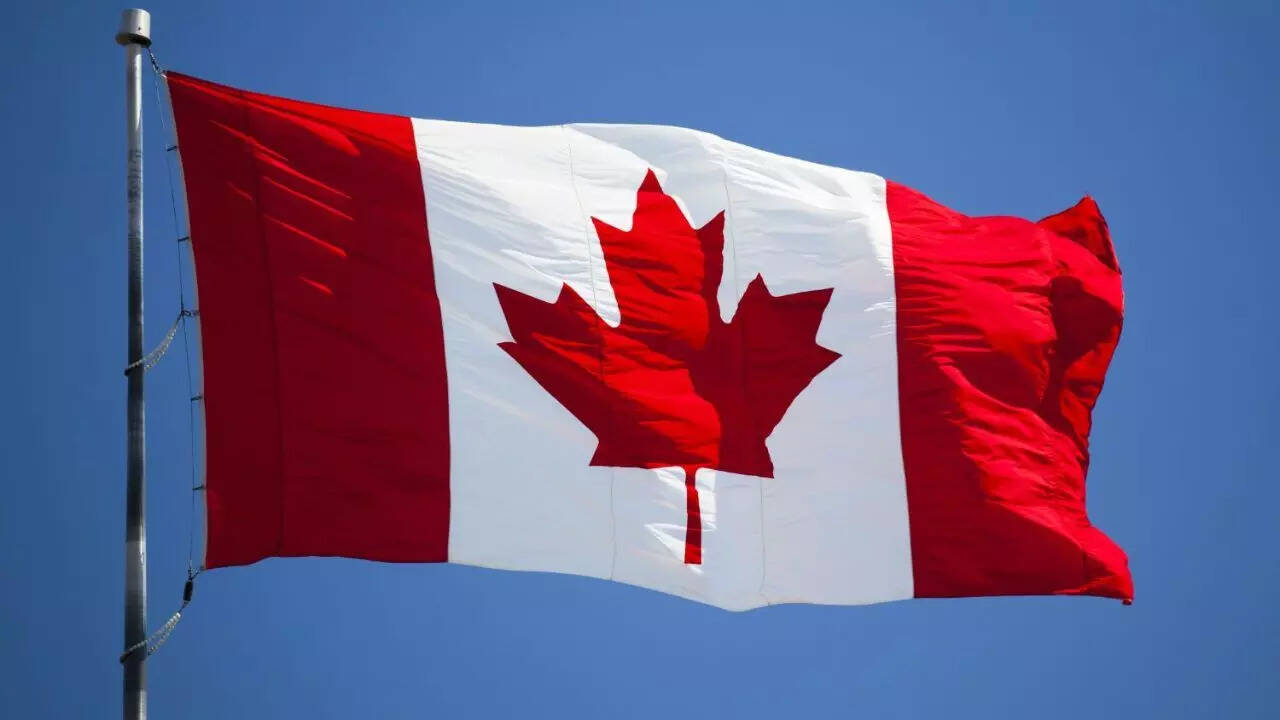
Beneath the veneer of curated selfies and casual bios lies an entirely different marketplace. Profiles state heights, favorite weekend spots, and legal status. A study permit expiring soon. A work visa running dry. Permanent residency points falling short by a cruel, arbitrary margin. Swipe right for a coffee date. Swipe left if your passport is already red and stamped with a Canadian maple leaf.
Internal government emails, leaked and scrutinized, have given shape to what many whispered about in cramped basement apartments across Ontario and British Columbia. Immigration officers are tracing a quiet, desperate trend. The marriage of convenience has migrated from the shadowy corners of classified ads to the brightly lit algorithms of modern matchmaking.
To understand why a student would trade vows with a stranger for cash or mutual paperwork, you have to understand the arithmetic of desperation.
Imagine landing at Pearson International Airport at nineteen. The air smells of pine and de-icer. You carry two heavy suitcases and a head full of promises made by a recruitment agency three thousand miles away. Tuition is staggering. International fees are not just bills; they are anchors dragging down every waking hour. You work forty hours a week at a warehouse outside the city limits, your back aching before midnight, trying to balance shift changes with early morning lectures on macroeconomics.
You do this because you were told the equation was simple. Study, work, graduate, stay.
Except the equation broke.
Caps on international study permits arrived like a sudden frost. Draws for permanent residency through the Express Entry system climbed to scores that felt like scaling vertical glass. The goalposts moved. Every year, the points required for an invitation to apply drifted further out of reach.
Fear is a quiet architect. It builds structures out of panic and logistics.
Consider what happens next. A friend of a friend mentions a cousin who knows someone. The language used is coded, clinical, yet terrifyingly casual. Paper marriage. Spousal sponsorship. The going rate floats somewhere between thirty and fifty thousand dollars, paid in installments. A deposit upfront. A payment when the application is filed. The final tranche when permanent residency is granted and the interview with immigration officials is successfully cleared.
It sounds transactional. Because it is. But peel back the financial layer, and the human cost bleeds through.
I sat across from a young man last autumn who asked me not to use his real name. Let us call him Arjit. He poured his tea from a chipped ceramic mug, his hands shaking slightly. He had paid twenty-eight thousand dollars for his arrangement. He met his sponsor twice before signing the paperwork at a notary's office downtown.
"You feel like a ghost," he told me, staring into the dark amber liquid. "You walk down Yonge Street, and everyone looks so solid. They have families. They have roots. You are just a file number waiting for a rejection letter. When you sign that paper, you are not thinking about romance. You are thinking about your parents back home who sold their land to pay your first semester. You are thinking about not going back empty-handed."
The government calls it immigration fraud. The legislation is clear. Section 117 of the Immigration and Refugee Protection Regulations explicitly bars sponsorships entered primarily for status. The penalties are severe. Deportation. Bans ranging from five to ten years. Criminal charges.
Yet the market persists.
Why? Because systems governed entirely by metrics eventually produce human anomalies who will break any rule to survive. When a government treats human beings as units of labor while simultaneously pulling up the ladder, those units find a backdoor.
Immigration enforcement officers know the signs. They are trained to look for micro-expressions of unfamiliarity during spousal interviews. Do you know where your partner sleeps? What side of the bed? What did you buy them for their last birthday? What toothpaste do they use?
These are not questions about love. They are pop quizzes on a stranger's life.
The psychological toll is exhausting. Imagine waking up next to someone whose middle name you had to memorize off a laminated cheat sheet before walking into an interview room with a federal officer. Imagine the constant, low-humming terror that a neighbor might notice you never share groceries, or that a bitter text message sent during an argument could find its way to an anonymous tip line.
One former immigration consultant, now facing disbarment and criminal investigation, described the process to me with chilling detachment. She had brokered dozens of these arrangements before her license was revoked.
"People act like these students are criminal masterminds," she said, leaning back in her leather chair. "They aren't. They are exhausted kids who ran out of time. The system creates a pressure cooker, and then acts surprised when the lid blows off."
She is not entirely wrong, though explanation is not absolution. Fraud degrades the integrity of a system designed to welcome those who genuinely build lives together. Every fraudulent file steals a slot from a genuine couple waiting years to reunite across international borders. It breeds a broader public cynicism, hardening public sentiment against immigration as a whole, making it harder for the next generation of arrivals to find open doors and open hearts.
The digital marketplace has simply accelerated an ancient human impulse. Long before dating apps existed, people traded convenience for safety. Marriages of alliance defined kingdoms and secured borders for centuries. Today, they secure work permits and SIN numbers.
The swipe of a thumb on a glowing screen connects two strangers whose only shared trait is mutual utility. One wants money to pay off back taxes or student loans of their own. The other wants a ten-digit number that allows them to stay in a country they have come to call home, despite that country treating them like a temporary convenience.
As the snow thickens outside, the streetlights blur further into amber washes. Somewhere in a high-rise downtown, a notification pings. A match is made. A contract is discussed in code over encrypted messaging apps. The documents are gathered. The fee is negotiated.
And the system rolls on, blind to the human friction beneath its turning gears, leaving behind a trail of paper stamps and quiet, untidy lives.