The kitchen smells like cinnamon and scorched butter, the universal perfume of a December Tuesday in America. Outside, the dusk settles fast, bruising the snow banks a deep, melancholy blue. Inside, Elena wipes flour from her hands and stares at a cardboard box resting on the kitchen table. It is taped shut with two intersecting strips of brown filament, heavy with the quiet gravity of distance. Inside are three hand-knitted woolen scarves for her brothers in North Dakota, a jar of blackberry preserves canned back in July when the sun still felt personal, and a ceramic mug painted by her seven-year-old daughter.
To Elena, this box is not cargo. It is an umbilical cord stretching across twelve hundred miles of interstate and frozen tarmac. If you liked this article, you might want to check out: this related article.
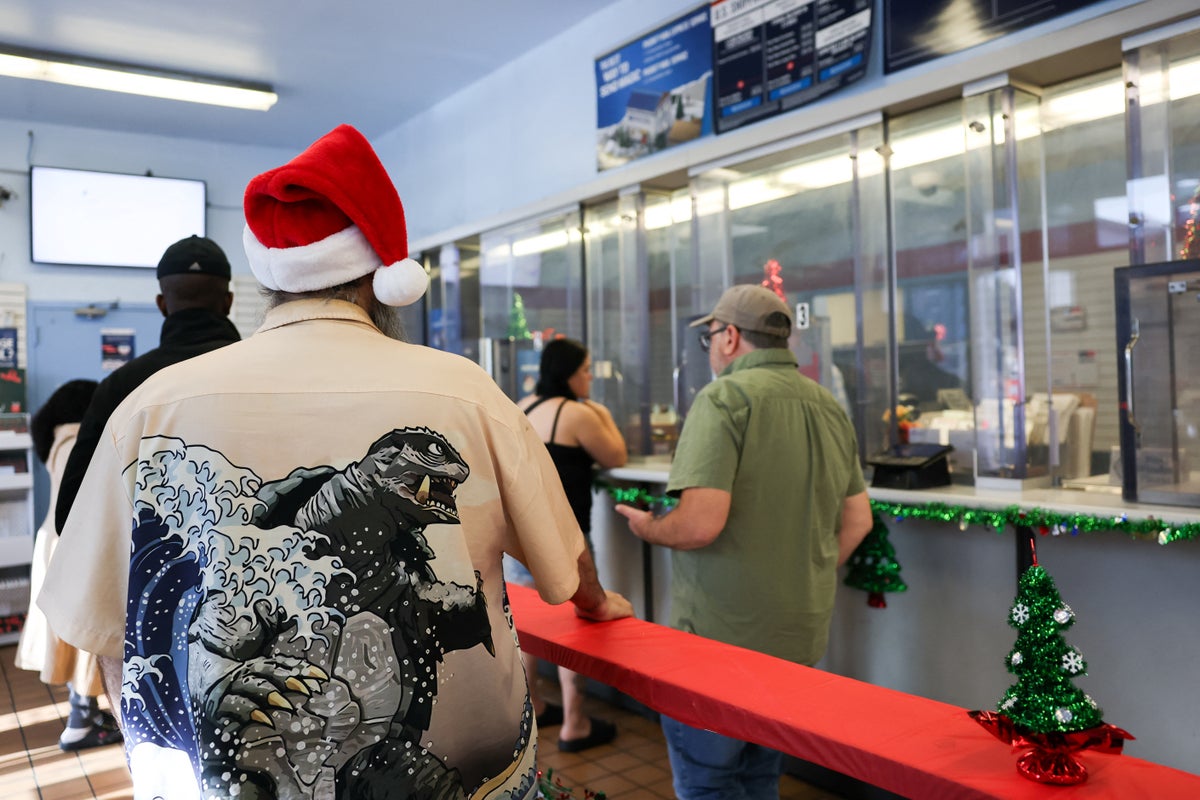
When she walks into the local post office the next morning, the air smells of wet galoshes, disinfectant, and carbon paper. The line snakes past the radiator, slow and respiratory. Behind the bulletproof glass, a postal clerk with tired eyes and a silver name tag that reads Marcus taps methodically at a worn terminal. When it’s her turn, Elena hoists the box onto the metal scale.
Marcus looks at the digital readout, glances up at the small LED board mounted above the door, and then delivers the sentence that millions of kitchens will echo this winter. For another angle on this event, refer to the latest update from Reuters Business.
"That'll be twenty-four dollars and fifty cents."
Elena blinks. Last year, the exact same box, traveling the exact same route, cost twenty-three dollars. Two years ago, twenty-one. It is not just inflation. It is the steady, unyielding gravitational pull of a 6 percent temporary price increase slated by the United States Postal Service specifically for the 2026 holiday shipping season.
Six percent. On paper, it sounds like a rounding error written by a consultant in a gray suit three time zones away. In reality, it is the weight of an extra hour at the second job, the quiet decision to skip buying the special stockings, the faint anxiety gnawing at small business owners who wonder if their customers will abandon them when shipping costs outpace the price of the handmade candle or artisanal coffee inside the package.
Consider what happens next: the numbers on the ledger shift, but the human ledger absorbs the shock.
The Architecture of the Last Mile
We talk about logistics as if it were a weather system—impersonal, inevitable, driven by unseen forces like jet streams and high-pressure fronts. We hear terms like seasonal surcharges and volume adjustments on the morning news between weather updates and stock market tickers, and we nod along, trained to accept that convenience has an escalating toll.
But logistics is actually millions of people wearing heavy boots in the dark.
Think of a sorting facility at three o'clock in the morning in suburban Chicago or outside Atlanta. The noise is a physical presence—a deafening, rhythmic clatter of rubber belts, metal chutes, and the pneumatic hiss of automated arms sorting eighty thousand parcels an hour. Under the harsh glare of halogen lights, human hands catch what the machines drop. Packers, loaders, sorters, and letter carriers move through the concrete caverns with thermos cups of black coffee and aching lower backs.
The United States Postal Service carries a unique burden that private carriers like FedEx or UPS can quietly sidestep when the math stops working. It is called the Universal Service Obligation. By law and by legacy, the Postal Service must deliver to every single address in the nation—whether that address is a high-rise penthouse in Manhattan or a homestead down a muddy gravel road three miles outside of Truth or Consequences, New Mexico.
Private carriers optimize for density. They cherry-pick the profitable routes where ten thousand packages live in a single apartment complex. The Postal Service goes everywhere else because democracy requires it.
Yet, that mandate doesn't pay for diesel. It doesn't pay for the rubber seals on sorting machines that run twenty-four hours a day from Thanksgiving to Christmas Eve. When package volumes surge by astronomical margins during the holidays—when the nation collectively decides to buy its affection online—the system stretches to the breaking point.
The 2026 seasonal price bump is the postal agency's defensive crouch against that tidal wave. Starting in October and stretching through January, temporary surcharges will apply to Priority Mail, Priority Mail Express, and Ground Advantage. For commercial shippers moving thousands of boxes, those percentages compound into tens of thousands of dollars. For Elena, mailing three boxes to three different states, it translates to a few extra crumpled bills handed across the counter.
It is easy to look at the Postal Service as a lumbering government relic that can't balance its checkbook. But behind the annual ritual of rate hikes lies a much more intimate tension: the collision between a public institution built for the nineteenth century and an e-commerce economy addicted to instant gratification and cheap delivery.
The Invisible Ledger
Down the road from Elena’s house, in a converted garage that smells faintly of cedarwood and beeswax, sits Marcus Vance—no relation to the postal clerk. Marcus runs a micro-business crafting custom leather wallets and journals. For eleven months out of the year, his margins are razor-thin, balanced between the cost of ethically sourced hides, hardware, and his own labor.
Then December arrives.
For Marcus, the fourth quarter isn't just a season; it is oxygen. Sixty percent of his annual revenue happens in four weeks. Every morning during December, he packs thirty to forty small brown parcels, hand-writing return addresses because his customers like the tactile touch of a human hand.
When carriers announce holiday rate spikes, Marcus faces an impossible choice. He can absorb the 6 percent increase himself, watching his modest profit evaporate into thin air. Or he can pass the cost on to his customers at checkout, watching his conversion rates drop as shoppers abandon their digital carts when the shipping fee ticks up by a dollar fifty.
"People don't hate the product," Marcus says, rubbing his thumb over a strip of tooling leather. "They hate the shipping line item. It feels like a tax on affection. If someone is buying a fifty-dollar wallet for their dad, and shipping jumps from six bucks to eight, suddenly they pause. They start wondering if they can find something cheaper down at the mall."
This is the hidden psychological cost of infrastructure inflation. It doesn't just move money from one balance sheet to another; it alters human behavior. It makes us slightly more isolated. It introduces friction into the sacred seasonal ritual of gift-giving.
We live in an era that promises frictionless connectivity. We can video-call someone in Tokyo while ordering groceries that arrive in thirty minutes. But physical distance remains a stubborn reality. Gravity still exists. Boxes still weigh twenty pounds. Trucks still burn fuel. When the cost of bridging that physical gap rises, the distance between us suddenly feels a little bit wider, a little bit colder.
The Weight We Carry
Back in the kitchen, Elena finishes taping her second box. Her fingers are slightly sticky from the packing tape.
She thinks about her grandmother, who immigrated from Italy in the 1950s and used to send letters that took two weeks to cross the Atlantic, each envelope fat with onionskin paper and pressed flowers. Her grandmother would have marveled at a world where a box can fly across a continent in forty-eight hours, tracking numbers blinking in real-time on a glowing rectangle in the palm of your hand.
We expect miracles from our delivery networks. We expect snowstorms to part, traffic to vanish, and postal workers to brave black-ice driveways at dawn—all while keeping prices frozen in amber.
The 6 percent surcharge for the 2026 holiday season is a reminder that the magic has a maintenance cost. It is a messy, complicated compromise between keeping a vital public network solvent and keeping holiday cheer affordable.
When Marcus the postal clerk hands Elena her receipt, she doesn't argue. She slides the slip into her coat pocket, smiles a tired, knowing smile, and steps back out into the December wind. The box is on its way. It will cross rivers, pass through dimly lit sorting facilities at midnight, ride in the back of a rumbling truck through the freezing plains of the Midwest, and eventually land on a porch in North Dakota.
It will cost a little more this year. But as the truck pulls away from the curb, leaving behind a trail of blue exhaust in the freezing air, some things remain entirely priceless.