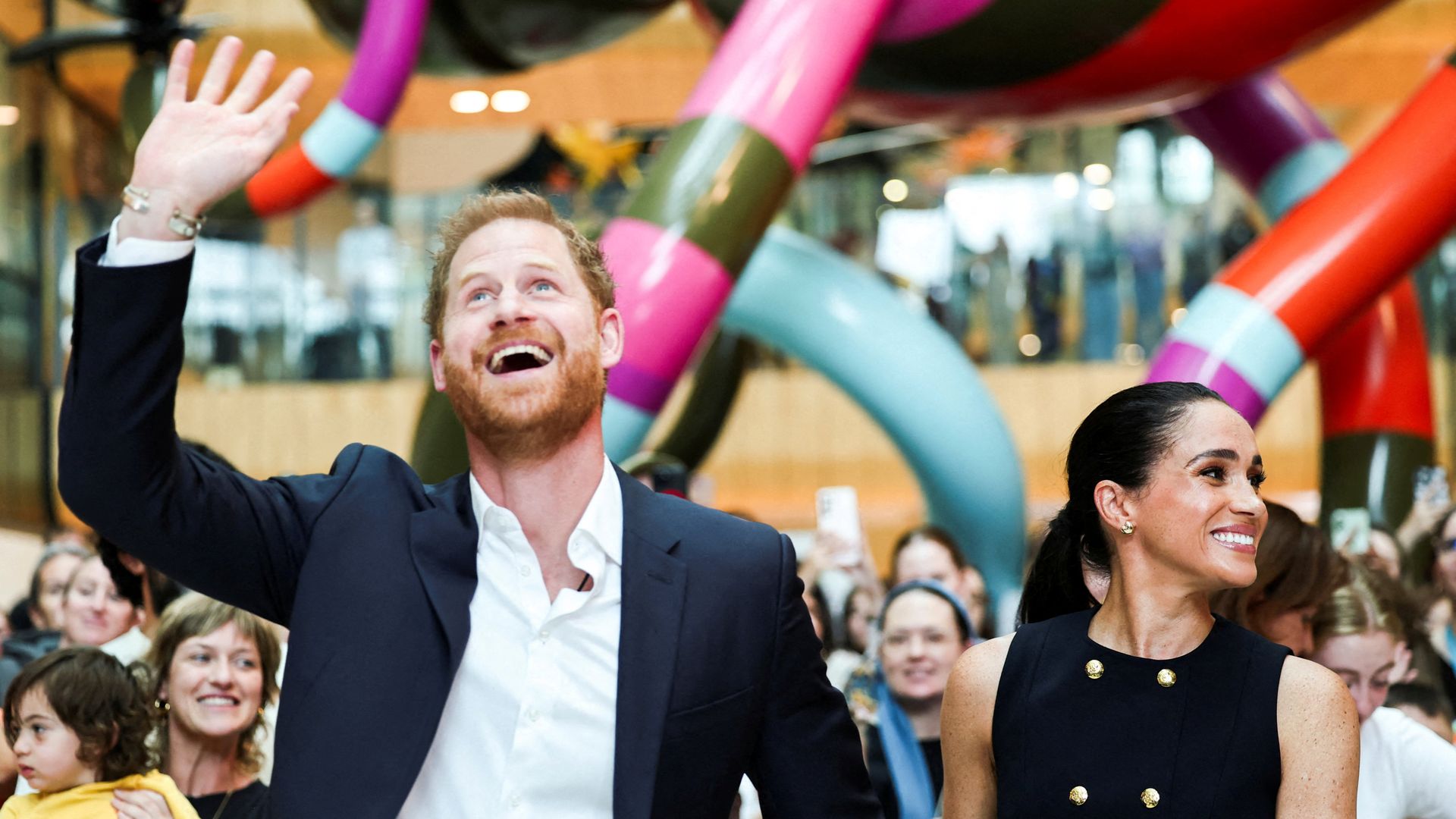
The mainstream media is hopelessly trapped in a loop of predictable, low-stakes royal soap operas. The latest collective sigh from the commentariat follows reports that Prince Harry will not be bringing his family to London for upcoming events due to ongoing security concerns. The lazy consensus across the board is painfully simple: Harry is either a paranoid ex-royal demanding special treatment, or he is a tragic figure exiled by the terrifying threat of the British tabloids and the public.
Both narratives are wrong. They miss the entire mechanics of modern celebrity branding, public relations, and legal leverage. Expanding on this theme, you can find more in: The Night the Whole World Tuned to a Single Frequency.
The endless public hand-wringing over Harry’s security arrangements isn’t a genuine logistical crisis. It is a highly calculated, strategically sound positioning move that keeps the Sussex brand relevant without requiring them to actually deliver on the ground in the UK. By framing every single potential visit around the insurmountable barrier of safety, the narrative shifts from "why aren't they showing up?" to "look how dangerous it is for them to show up."
The Security Bureaucracy Myth
Let’s dismantle the actual mechanics of royal protection. The British media loves to fixate on RAVEC (the Executive Committee for the Protection of Royalty and Public Figures) and the stripping of Harry’s full-time tax-funded police protection. The public debate centers on fairness: should a non-working royal get state-funded bodyguards? Experts at Associated Press have also weighed in on this trend.
This is the wrong question entirely.
The real issue isn't whether Harry can be protected in London; it’s that the current legal battle allows him to maintain a perpetual status of high-profile vulnerability. In the arena of global attention, vulnerability is a commodity. Private security firms staffed by ex-SAS and former secret service agents—which the Sussexes employ in the United States—are perfectly capable of securing a hotel, a private vehicle, and a venue in central London. To suggest that the UK, a nation with some of the most sophisticated surveillance and counter-terrorism infrastructure on earth, is too dangerous for a high-profile visitor is absurd on its face.
I have watched public figures, corporate executives, and foreign dignitaries navigate high-threat environments for two decades. The logistics are straightforward: you pay for top-tier private intelligence, you coordinate with local law enforcement, and you execute a tight schedule. The idea that London is uniquely unsafe for Harry, but Montecito is a fortress, ignores basic geopolitical realities.
The Utility of the Eternal Threat Narrative
Why keep the argument alive? Because the moment the security issue is resolved, the Sussexes lose their most potent shield against criticism regarding their absence from UK national life.
Consider the strategic benefits of the ongoing security deadlock:
- Built-in Absences: If a major royal event occurs and the family chooses not to attend, the security dispute provides an unassailable excuse. It shifts the blame from family dynamics or personal choice onto the state apparatus.
- Brand Distinction: By insisting that standard private security isn't enough, it elevates their perceived status. It signals to the world that their threat level is uniquely high, effectively placing them on par with active heads of state rather than standard Hollywood celebrities.
- Legal Leverage: The ongoing court battles keep the story alive in a way that regular public relations cannot. A court filing carries a weight of seriousness that a press release simply cannot match.
This strategy does come with severe downsides. It alienates the British public, who view the constant legal challenges against the Home Office as an attack on state institutions. It creates a permanent state of friction that prevents any genuine reconciliation. But from a pure brand survival standpoint, it works. It ensures that every single headline about a missed event is framed around danger rather than disinterest.
The Flawed Premise of the Royal Return
The public keeps asking when the family will heal the rift, or what conditions would allow a full return to the fold. This line of questioning assumes that a return is the ultimate goal. It isn't.
The Sussex business model relies on being outsiders. The moment they blend back into the institutional fabric of the monarchy, their unique selling proposition vanishes. They become just another pair of royals cutting ribbons. The friction is the product. The drama is what drives engagement, fuels book deals, and sustains media contracts.
Stop looking at the London travel schedule through the lens of family drama. Look at it as a masterclass in risk management and narrative control. By keeping the family in California under the banner of safety, the brand retains its exclusivity, its victimhood narrative, and its independence.
The competitor outlets will continue to report on the logistics, the schedules, and the supposed heartbreak of missed family gatherings. They are chasing the shiny object. The real story is the brilliant, cynical utilization of institutional bureaucracy to maintain a global media footprint without ever having to step foot on the tarmac at Heathrow.