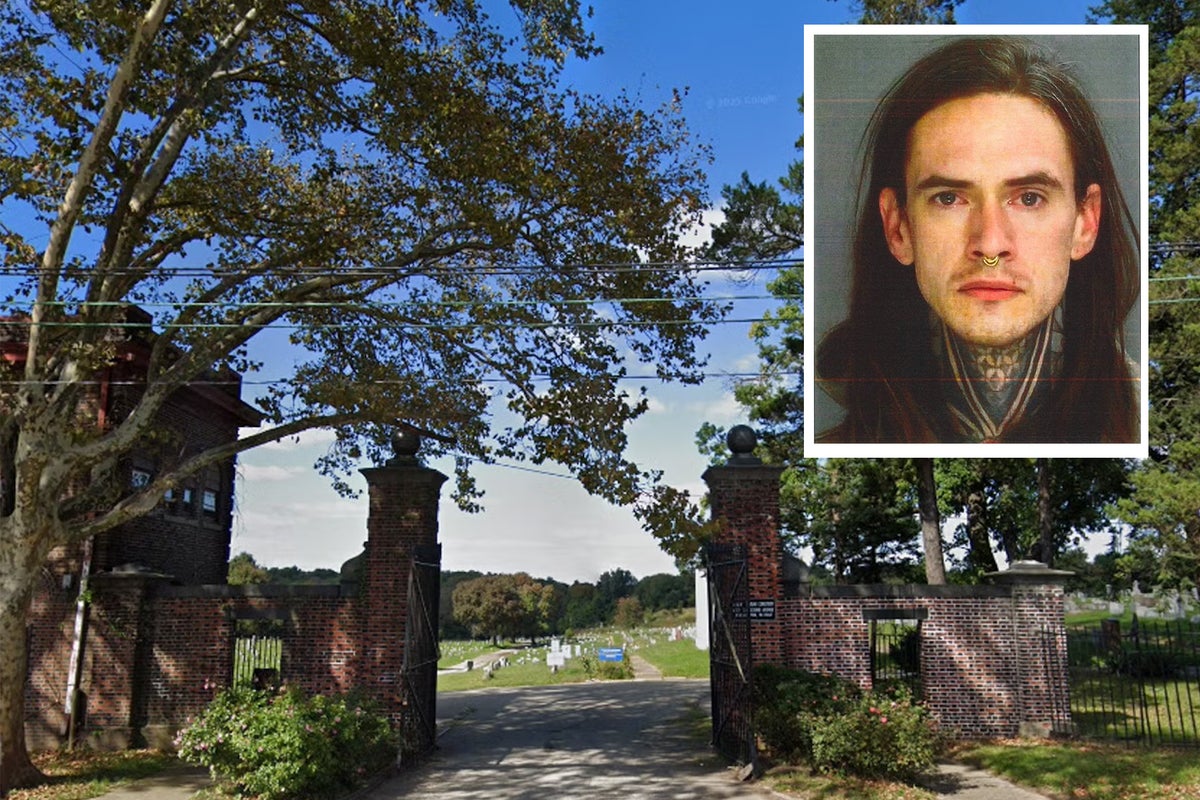
A staggering 500-count indictment against a single suspect for the systematic theft of human remains has exposed a dark, lucrative underside of the antique and biological specimen markets. This is not a simple case of vandalism or a localized lapse in judgment. It is a symptom of a broader, unregulated industry where the dead are stripped of their dignity to satisfy a growing demand for "oddities" and medical curiosities. While the legal system grapples with the sheer volume of these charges, the focus must shift to the systemic failures that allowed a single individual to strip graves bare over an extended period without detection.
The Mechanics of the Bone Trade
Most people assume that once a body is interred, it is protected by layers of law and concrete. The reality is far more porous. The recent charges involving hundreds of counts of desecration reveal a process that is as methodical as it is macabre. This is no longer the era of 19th-century "Resurrection Men" stealing fresh corpses for anatomy schools. Instead, the modern illicit trade focuses on skeletal remains, which are easier to transport, store, and sell through digital backchannels and grey-market auctions.
The suspect in this case managed to bypass basic security measures through a combination of persistence and the exploitation of underfunded municipal cemeteries. In many jurisdictions, cemeteries are "soft targets." They lack 24-hour surveillance, have porous boundaries, and are often managed by skeletal crews who cannot monitor every acre of ground. This lack of oversight creates a vacuum. It allows a predator to return to the same site dozens of times, harvesting remains with the cold efficiency of a warehouse manager.
Why the Market for the Macabre is Surging
We have to ask why someone would risk 500 felony counts. The answer is found in the soaring value of human osteological specimens. Over the last decade, a subculture of "oddity" collectors has moved from the fringes of the internet into the mainstream. What was once the domain of serious medical researchers or historical museums has been co-opted by influencers and private decorators looking for a "gothic" aesthetic.
A single human skull, depending on its condition and "pathology" (the presence of disease or unique medical features), can fetch anywhere from $500 to $5,000 on the private market. When you multiply that by the 500 counts mentioned in the indictment, you are looking at a potential black-market inventory worth hundreds of thousands of dollars. This isn't petty crime. It is a high-stakes business model built on the violation of the most basic social contract.
The Legal Loophole Big Enough to Drive a Hearse Through
The primary reason this trade thrives is that the laws governing the possession of human remains are a patchwork of contradictions. In many states, it is illegal to steal a body, but the actual possession of human bones is not strictly regulated if the owner claims they are "medical specimens."
Criminals exploit this ambiguity. Once a set of remains is removed from a grave and cleaned, it becomes nearly impossible for a police officer to distinguish it from a legally sourced teaching skeleton from the 1960s. The burden of proof shifts to the state. Prosecutors must prove exactly which grave the bone came from—a task that often requires expensive DNA testing that most cash-strapped local departments cannot afford.
This case is unique because of its scale. By hitting over 500 counts, the suspect likely left a trail of physical evidence—tools, transport logs, or digital footprints—that bypassed the usual difficulty of proving origin. But for every suspect caught with a truckload of remains, dozens of smaller sellers operate with impunity, moving one or two pieces at a time through social media groups and "private" collector circles.
The Failures of Cemetery Management
We cannot ignore the administrative negligence that facilitates these crimes. Many of the cemeteries targeted in these mass-theft cases are "perpetual care" facilities that have run out of funding. When the money stops, the gates stay open, the fences rust, and the "care" becomes a myth.
Professional tomb raiders look for these signs of decay. They seek out the sections of the cemetery where the grass is overgrown and the headstones are tilted. They know that in these forgotten corners, no one is checking the integrity of the soil. The 500 counts in this indictment represent 500 separate failures of the institutions we trust to guard our ancestors. It is a systemic collapse of the "sanctity of the grave."
Following the Money
To stop the desecration, the investigation must move beyond the person with the shovel. We need to look at the "fences"—the mid-level dealers who buy stolen remains and "launder" their history before selling them to high-end collectors.
- Online Platforms: While major auction sites have banned the sale of human remains, smaller, niche platforms and encrypted messaging apps remain hotbeds for these transactions.
- Estate Sales: Stolen remains are often slipped into legitimate estate auctions under the guise of "antique medical collections."
- International Shipping: The global nature of the oddities trade makes it easy to ship remains across borders where laws are even more lax.
If the authorities only prosecute the individual who physically entered the graves, they are merely pruning a weed. The root of the problem is the buyer who values a human skull as a mantlepiece decoration more than they value human dignity.
The Psychological Profile of the Mass Desecrator
There is a specific kind of detachment required to perform this work. To systematically open hundreds of graves, an individual must view the deceased not as people, but as raw materials. In the industry, we call this "objectification for profit."
The sheer volume of 500 counts suggests a compulsive element. This was not a one-time desperate act. It was a lifestyle. The suspect likely spent months, if not years, perfecting a routine—scouting locations, timing patrols, and developing a process for "processing" the remains to make them sellable. This level of dedication points to a lucrative feedback loop where the financial rewards constantly reinforced the criminal behavior.
Concrete Steps for Reform
Relying on the "morality" of the public is not a security strategy. If we want to prevent the next 500-count indictment, the industry and the government must act.
- Mandatory Provenance Laws: Just as we have laws for "conflict diamonds," we need federal legislation requiring a verified chain of custody for any human remains sold privately. If you can’t prove the skeleton was a donated medical specimen, it should be seized.
- Cemetery Modernization: Municipalities must invest in thermal imaging and motion-activated cameras for cemeteries. These technologies are now cheap enough that there is no excuse for leaving acres of graves unmonitored.
- Digital Accountability: Tech companies must be held liable for facilitating the sale of human remains on their platforms. The "we are just a middleman" excuse is no longer valid when the "product" being sold is a felony.
The Cost of Apathy
Every time a grave is violated, it isn't just the family of the deceased who suffers. It is a strike against the collective memory of the community. When we allow our cemeteries to become strip mines for "oddity" dealers, we signal that our history and our dead are for sale to the highest bidder.
The 500 counts in this case are a wake-up call. They represent 500 lives that were supposed to be at rest but were instead turned into inventory. The suspect may be the one facing the judge, but the industry that created the demand for those remains is just as guilty. We have allowed the market to put a price tag on the priceless, and until we dismantle the financial incentives behind this trade, the shovels will keep hitting the dirt in the middle of the night.
The security of our past is the only way to ensure the dignity of our future. Stop the buyers, and you stop the thieves.


:strip_icc()/pic2513216.jpg)