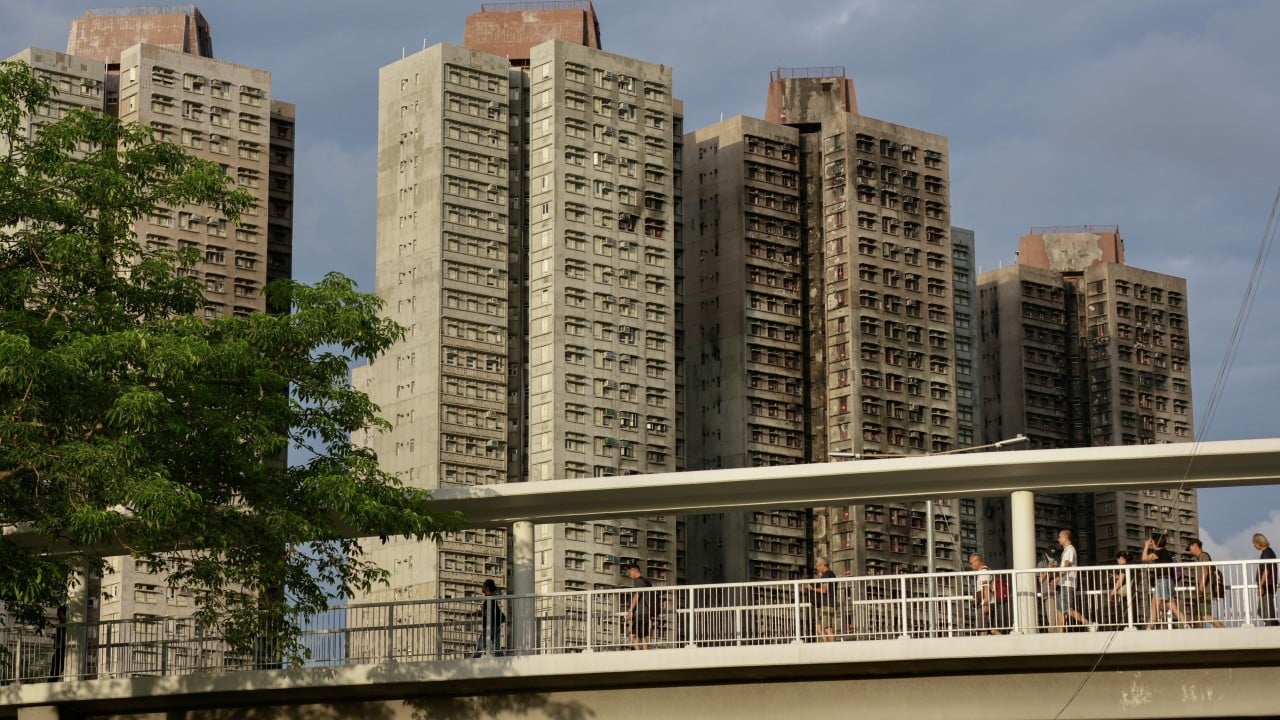
When 168 people died in the catastrophic blaze at Wang Fuk Court in Tai Po last November, the city woke up to a nightmare it never expected. Old high-rises wrapped in renovation nets turned into vertical blowtorches. Months later, as the government scrambles to patch up legal loopholes under the Buildings Management Ordinance, lawmakers are already pointing out glaring flaws in the plan. Tightening proxy votes and lifting owner attendance thresholds sounds nice on paper, but it won't fix the core corruption rotting the property management sector from the inside out.
If you look closely at what legislators are arguing about right now, a familiar pattern emerges. Bureaucrats love procedural tweaks because they look like action without stepping on powerful toes. But when you talk to real estate owners and front-line safety experts, they'll tell you that changing meeting attendance rules does nothing to stop predatory bid-rigging syndicates or rogue contractors with dozens of safety convictions.
Where the New Amendments Fall Short
The government launched a public consultation targeting five major areas under the Buildings Management Ordinance. They want higher voting thresholds for major maintenance projects, stricter oversight of proxy forms, and better disclosure of conflicts of interest.
These sound like steps forward. Honestly, they're overdue. But lawmakers have flagged major implementation traps:
- Owner Apathy: Requiring higher attendance at owners' corporation meetings assumes residents actually have the time, legal knowledge, and energy to grill contractors. Most are busy working long hours or are elderly retirees who feel completely out of their depth.
- Proxy Loopholes: While tightening proxy collection aims to stop vote-rigging, clever syndicates always find creative ways to harvest signatures before meetings even happen.
- Zero Criminal Deterrence: Procedural rules inside a civilian committee don't scare criminal elements involved in multi-million-dollar renovation scams.
The Competition Commission's recent raids targeting bid-rigging rings across dozens of estates prove that the problem isn't just a lack of parliamentary paperwork. It's active economic collusion.
The Accountability Gap No One Wants to Touch
Talk to anyone who lived through the Wang Fuk Court tragedy, and they won't talk to you about proxy voting forms. They'll talk about how different government departments spent months pointing fingers at each other, claiming flammable foam boards and dangerous netting fell outside their specific jurisdiction.
During the public inquiry hearings, agency officials repeatedly hid behind bureaucratic boundaries. The fire department blamed housing authorities, and housing officers pointed back to municipal surveyors. When regulatory bodies refuse to take ownership of basic site safety, updating building management guidelines feels like rearranging deck chairs on a sinking ship.
If property management companies are going to be designated as legal gatekeepers for fire safety, they need actual teeth, clear legal liabilities, and real-time enforcement officers who can shut down non-compliant sites on day one. Right now, a contractor can rack up dozens of safety violations and still breeze through municipal approval processes because cross-departmental communication is broken.
What Needs to Happen Right Now
If you own property or sit on an owners' corporation committee in a high-rise, don't wait for the government to finalize these messy legislative updates. You need to take direct control of your next renovation project:
- Independent Audits: Never rely solely on the management company's preferred engineering consultants. Hire an independent, third-party building surveyor to review every tender document and material specification.
- Strict Material Verification: Demand physical proof and independent laboratory certificates for all scaffolding nets, exterior panels, and insulation materials before a single worker steps on-site.
- Transparent Voting: Force open-floor discussions where proxy submissions are heavily scrutinized by neutral neighborhood volunteers rather than anonymous committee insiders.
Fixing Hong Kong's building safety crisis requires more than softening paperwork requirements. It demands total transparency, aggressive criminal prosecution for corrupt contractors, and government agencies that stop running away from responsibility.