The diplomatic back-and-forth between Moscow and Kyiv just hit a concrete wall, and the fallout arrived instantly in the form of falling missiles. If you want to know why the war in Ukraine shows absolutely zero signs of slowing down, look no further than the explosive chain of events that unfolded over the last few days.
Ukrainian President Volodymyr Zelenskyy did something he hasn't done publicly since the 2022 invasion. He sent an open letter directly to Vladimir Putin, offering a face-to-face meeting in a neutral country like Switzerland or Turkey to hammer out a full ceasefire. Putin's response? He basically called the letter rude, mocked Zelenskyy's standing with international leaders, and flatly stated he sees no point in talking.
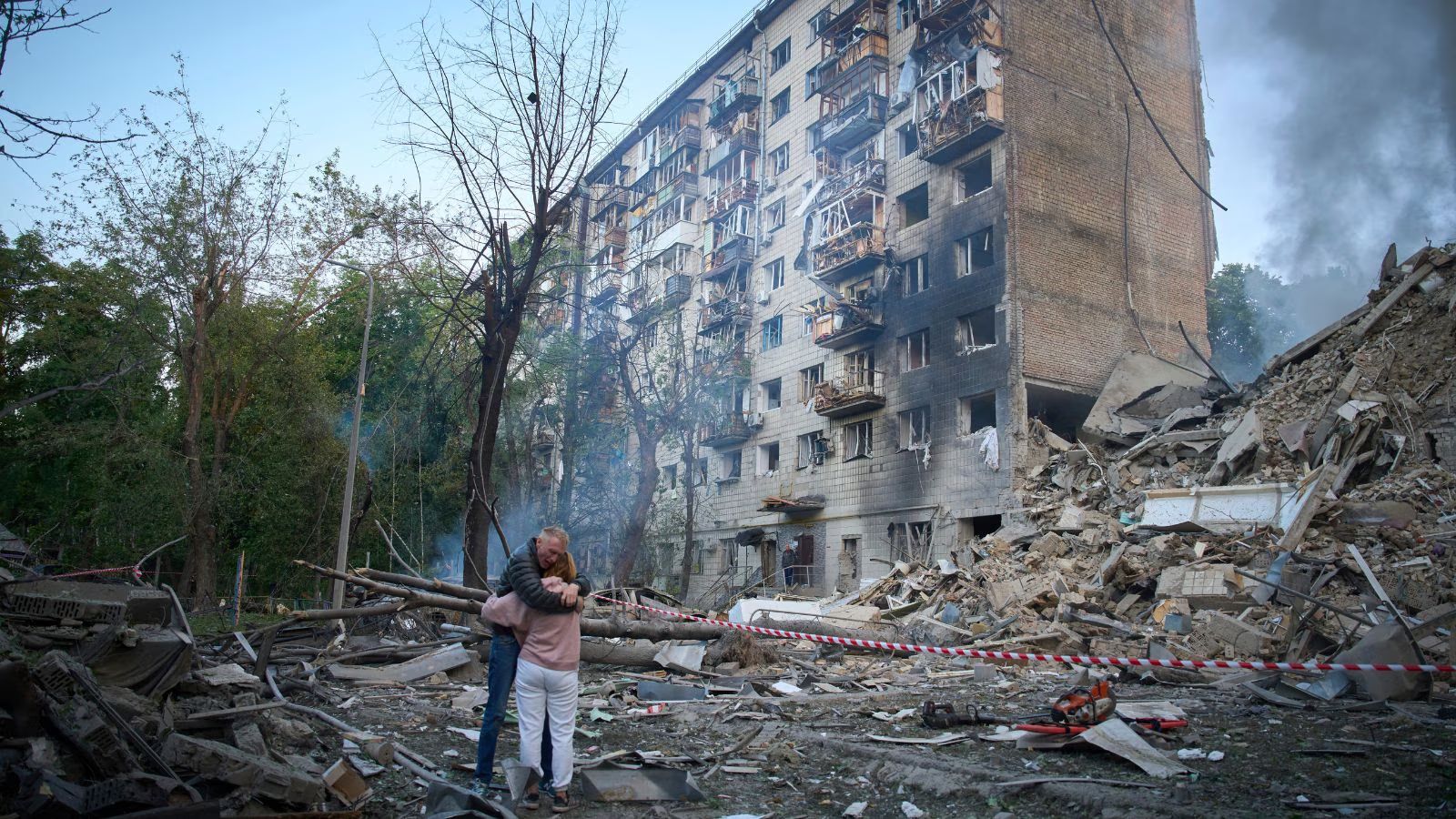
Hours later, the battlefield did the talking. Russian air strikes, drone swarms, and heavy artillery pounded Ukraine’s southeastern Zaporizhzhia region, killing five people and injuring 14 others. Missiles also slammed into the Odesa region, knocking out power for more than 1,000 homes.
This isn't just another sad headline. It is a textbook demonstration of how diplomacy fails in real-time when neither side is ready to back down. Let’s break down exactly what went wrong, why Putin shut the door, and what this means for the frontline.
The Letter That Sparked the Rage
Zelenskyy’s open letter wasn't a standard diplomatic request. It was a calculated political move, and it was packed with sharp jabs. The letter explicitly called out Putin’s 26 years in power, made pointed remarks about his age, and openly reminded him that historical Russian rulers face massive internal upheaval when the population grows tired of war.
Zelenskyy also rubbed salt in the wound by pointing out Russia's recent economic issues, fuel shortages in occupied Crimea, and successful Ukrainian drone strikes on critical supply lines.
When Putin took the stage at the St. Petersburg International Economic Forum, he was visibly irritated. He refused to even utter Zelenskyy's name, calling him simply "the author."
"Is it a way to create conditions for personal meetings and talks, or create an environment which makes any personal meetings impossible? I think it’s the second," Putin told the audience.
Putin claimed a middleman had secretly traveled to Kyiv to scout out the potential for a meeting, but the open letter ruined any appetite for discussion. He used the forum to double down on his war goals, demanding that Ukraine hand over the rest of the Donbas, Luhansk, Kherson, and Zaporizhzhia regions before any real negotiations can start. To Kyiv, that isn't a peace negotiation. It is total surrender.
Blood on the Ground in Zaporizhzhia
When a dictator says "keep working, brothers" to his troops on national television, the consequences are felt on the ground immediately. The strikes on Zaporizhzhia targeted residential blocks, civilian vehicles, and local infrastructure.
People ask why Russia focuses so heavily on places like Zaporizhzhia and Odesa. The answer is strategy. Zaporizhzhia holds a massive chunk of Ukraine's industrial power, while Odesa serves as the primary gateway to the Black Sea for global shipping. By hitting the power grids in Odesa, Russia forces Ukraine to divert precious resources away from the military frontline just to keep the lights on for regular citizens.
Ukraine didn't take the rejection lying down either. They responded with massive drone swarms targeting Russian cargo ships in the Sea of Azov and ports like Mariupol and Berdiansk. They even managed to hit an oil terminal right in Putin’s home city of St. Petersburg just as his economic forum was kicking off.
The Western Shield and the Real Strategy
Zelenskyy didn't write that letter expecting Putin to suddenly become a peacemaker. He wrote it to show the rest of the world that Ukraine is willing to talk, while Moscow wants blood. It worked.
Right after the rejection, Zelenskyy headed straight to London. He met with UK Prime Minister Keir Starmer, French President Emmanuel Macron, and German Chancellor Friedrich Merz.
The strategy here is urgent. Ukraine is running dangerously low on air defense systems. Ballistic missiles are getting through the net, and the energy grid is fragile. The leaders huddled at 10 Downing Street to coordinate an emergency injection of anti-ballistic missiles and engineering equipment ahead of the upcoming G7 summit in Evian.
Germany’s Friedrich Merz has even thrown around the idea of granting Ukraine an interim "associate member" status in the European Union. This is a massive shift. It gives Zelenskyy a political win to show his people, offering a path toward European integration without requiring immediate NATO membership, which remains a massive red line for Moscow.
What Happens Now
Don't expect peace talks anytime soon. Both sides are completely locked into their positions, and the conflict is entering a brutal phase of attrition.
If you are tracking this conflict, keep your eyes on two major shifts happening right now. First, watch the skies over Russia’s energy hubs. Ukraine knows it can't match Russia's sheer troop numbers, so they are aggressively targeting oil refineries, export facilities, and cargo ships to starve the Kremlin of cash.
Second, watch the western borders. The success of Ukraine's defense over the coming months depends entirely on how fast the UK, France, and Germany can deliver the air defense kits promised in London. If those missiles don't arrive fast enough, regions like Zaporizhzhia and Odesa will face a very dark, cold season ahead.