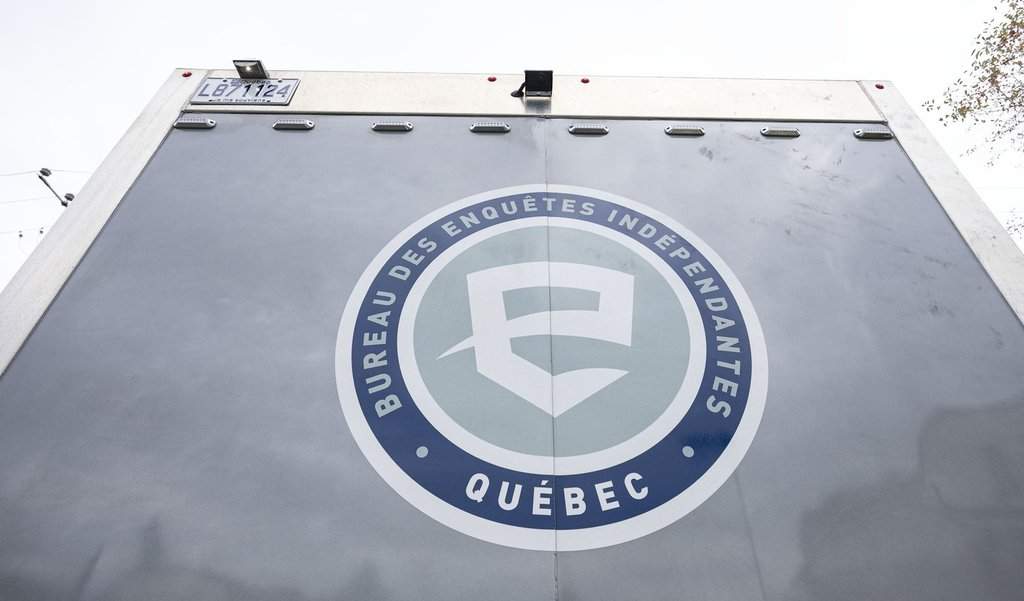
Quebec’s independent police watchdog changed its mind about a deadly crash in Laval, and that reversal matters.
The Bureau des enquêtes indépendantes (BEI) originally decided not to probe a high-speed collision that left two teenagers dead. Initial reports suggested the police involvement was too distant to trigger a mandatory investigation under the provincial Police Act. Two weeks later, new information surfaced. The agency reversed course, proving that oversight bodies often have to re-evaluate cases when the full picture finally comes together.
What Happened on Boulevard des Laurentides
The timeline of the August 5 incident reveals a rapid and tragic sequence of events. At roughly 1:19 a.m., a Laval Police Service patrol car spotted a vehicle travelling without a licence plate. Officers attempted a standard traffic stop.
Instead of pulling over, the driver accelerated sharply and tried to flee. Police officials stated early on that officers broke off the pursuit immediately because the car sped away at a dangerous rate.
Moments later, at around 1:20 a.m., the fleeing vehicle lost control. It left the road and smashed directly into the facade of a commercial building housing the Atlantis Gym on Boulevard des Laurentides.
The destruction was catastrophic. The driver died at the scene. Two passengers, both 19 years old, suffered severe injuries and were rushed to the hospital. One of those passengers, a young woman, was later pronounced dead.
Why the Watchdog Initially Passed
Under Section 289.1 of Quebec's Police Act, the BEI is legally required to step in whenever a civilian dies or suffers critical injuries during a direct police operation.
Right after the crash, the math did not seem to add up for an automatic probe. Because Laval officers stated they backed off as soon as the vehicle bolted, the department argued the intervention had effectively ended before the crash occurred. The BEI initially accepted those preliminary bounds, concluding that the police actions did not directly cause the fatal loss of control.
Public agencies lean heavily on these early assessments. They want to make quick administrative calls. But quick calls often miss critical gaps.
The Pivot and the Role of New Evidence
Investigations of this magnitude rarely stay closed forever if witnesses or alternative data points emerge. The BEI spent two weeks quietly conducting validation steps, examining whether the initial boundary between the police presence and the crash was accurate.
On August 20, the agency officially triggered a full-scale probe. BEI spokesperson Jérémie Comtois noted that while most investigations start immediately, a handful are launched weeks or months later as fresh details bubble to the surface.
This shift highlights an uncomfortable truth about police accountability systems. Initial police narratives are just that—initial. Independent oversight only works when watchdogs are willing to look twice, admit when early assumptions were flawed, and dig deeper into the exact proximity and influence of a cruiser's presence during a high-speed flight.
The BEI is currently appealing to the public. Anyone who witnessed the vehicle's movements or the brief interaction with the Laval police cruiser before the crash on Boulevard des Laurentides is urged to contact the agency directly through its official website.