England fans are getting fleeced. There's no other way to put it. When the latest national kit drops and the price tag hits £125 for an "authentic" version, something is broken in the beautiful game. You aren't just paying for fabric and a three-lions crest. You're paying for a massive corporate machine that has realized fans will prioritize loyalty over their bank accounts every single time.
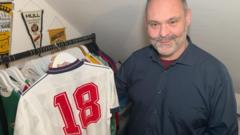
Neil Blackburn knows this better than anyone. He's a kit collector with a collection valued at over £40,000. He’s spent decades hunting down rare threads and historic jerseys. When someone with forty grand worth of polyester in their attic says the current prices are a joke, we should probably listen. The gap between what it costs to make a shirt and what Nike or the FA charges you is wider than a Sunday League pitch.
Why the England shirt price hike is a slap in the face
Most fans just want to show support. They want to wear the same shirt Harry Kane wears when he's leading the line. But the industry has split this dream into two tiers. You have the "Stadium" shirt, which is the basic version, and the "Match" or "Authentic" version. The latter is what the players actually wear, featuring heat-pressed badges and "breathable" technology that supposedly justifies a price jump of nearly 50 percent.
It’s a psychological trick. By creating a premium version, the brands make the £85 basic shirt feel like a "budget" option. It isn't. Not even close. If you look at the manufacturing costs, these shirts often cost less than £10 to produce in factories across Southeast Asia. Even after you factor in shipping, marketing, and the massive licensing fees paid to the FA, the profit margins are staggering.
Blackburn points out that the frequency of these releases is the real killer. It used to be that a kit lasted two full years. You’d get a tournament out of it, a qualifying campaign, and maybe some friendlies. Now, the cycle is spinning faster. Third kits, pre-match warm-up gear, and "anniversary" editions are designed to keep your wallet permanently open.
The collector perspective on modern quality
Collectors like Blackburn don't just care about the price. They care about the soul of the shirt. If you've ever held an England shirt from the 1990s—think the grey Euro 96 away kit or the classic 1990 Umbro home shirt—you feel the difference immediately. The embroidery was thick. The fabric had weight. It felt like a piece of clothing meant to last a lifetime.
Modern kits feel disposable. They're thinner, more plastic-like, and the "printed" badges on the high-end versions have a nasty habit of peeling off after five washes. You're paying more for a product that is objectively less durable than what your dad bought in 1982.
The move away from stitched crests is a major gripe for the kit community. Stitched badges are the hallmark of a "real" football shirt. Replacing them with heat-transferred rubber or plastic might save the players half a gram in weight during a sprint, but for the average fan sitting in a pub or at Wembley, it just feels cheap. Paying £125 for something that feels like a glorified gym top is a hard pill to swallow.
Where the money actually goes
If you're wondering who’s getting rich off your loyalty, follow the paper trail. It’s a three-way split between the manufacturer, the retailer, and the Football Association.
- The Manufacturer (Nike): They take the lion's share. They pay hundreds of millions for the right to be the exclusive provider. To make that money back, they have to squeeze the consumer.
- The FA: They need the revenue to fund everything from grassroots coaching to Gareth Southgate’s salary. But at what point does "funding the game" become "exploiting the supporters"?
- The Retailer: Stores like JD Sports or Sports Direct take their cut, though their margins are often thinner than people realize because the wholesale price from the brands is so high.
The fans are at the bottom of this food chain. They’re the ones expected to cough up every eighteen months to stay "current."
Breaking the cycle of overspending
You don't have to play this game. If the price of the new England kit makes your eyes water, there are better ways to show your colors without supporting a broken pricing model.
Buying "retro" is the most obvious move. Companies like TOFFS or the official Score Draw range offer high-quality recreations of classic England kits for a fraction of the price. Not only do these shirts look better, but they also carry a sense of history that a modern neon-trimmed template kit just can't match. You can pick up a 1966 or 1990 replica for around £35 to £45. That's a massive saving, and honestly, the style is timeless.
Another option is the "wait and see" approach. The sports apparel market is notorious for overstocking. Give it six months. Once the initial hype dies down or the tournament ends, those £85 shirts will be sitting on clearance racks for £40. The pride of wearing the shirt doesn't expire just because the season did.
The rise of the fakes
We can't talk about shirt prices without mentioning the elephant in the room: the "grey market." High prices are driving thousands of fans toward high-quality fakes from overseas websites. When a fan can get a shirt that looks 95% identical to the real thing for £15 including shipping, the "official" version starts to look like a scam.
The authorities and brands scream about "counterfeit goods" and how they hurt the game. But they created the market for these fakes by pricing the average working-class fan out of the official experience. If the FA wants to kill the counterfeit trade, they don't need more lawyers. They need lower prices.
How to build a collection without going broke
If you're actually looking to start a kit collection like Neil Blackburn's, you need a strategy. Don't buy new. The value of a brand-new shirt drops the second you take the tags off, much like a new car.
Search for "player issue" kits from three or four seasons ago on sites like Classic Football Shirts. These are often cheaper than the current "Stadium" kits but offer the high-end tech you’re looking for. Look for shirts from the youth teams or the women's national team; the designs are often identical but the demand is lower, leading to better deals.
Check local charity shops in towns near major training hubs. You'd be surprised what ends up in a donation bin when a player or staff member clears out their wardrobe. It takes more effort than clicking "buy" on the Nike website, but the reward is a collection that actually has some value and soul.
Stop rewarding corporate greed. The next time a new England kit is "unveiled" with a flashy marketing campaign and a triple-digit price tag, vote with your wallet. Wear your old shirt. Buy a retro classic. Demand better quality for the money you're sweating for. Football is supposed to be the people's game, but as long as we keep paying these prices, it’s just another corporate luxury.
Go to a local vintage sports shop instead of a big-box retailer. Support the businesses that value the history of the kit rather than the quarterly profit report. You’ll probably find something much cooler anyway. If the stadium atmosphere feels different lately, maybe it's because the people who truly care about the badge are being priced out of the very fabric that represents it. Don't let your loyalty be a blank check for a billionaire's board meeting.