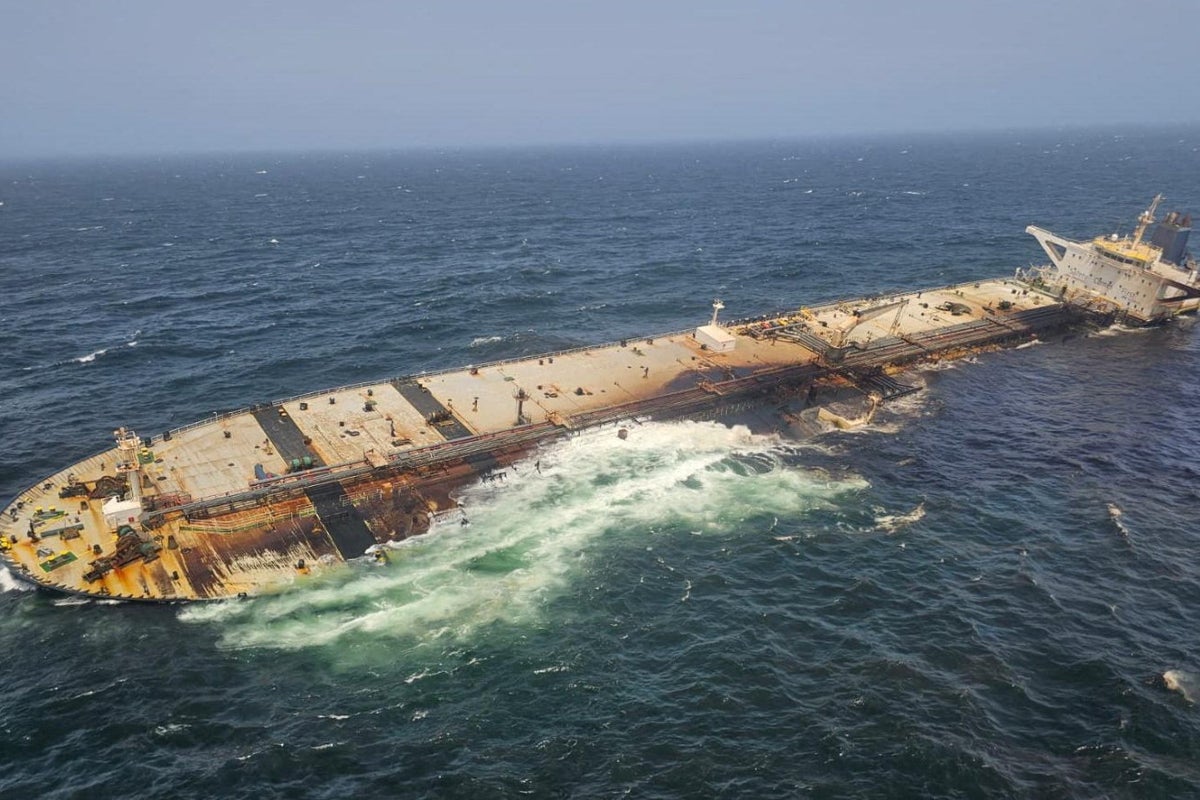
An environmental disaster is currently unfolding off the coast of Oman. A tanker carrying roughly 800,000 barrels of crude has run aground, and the resulting oil slick now covers thousands of square kilometers. It's bad. Really bad.
If you've only caught quick headlines about a ship hitting a reef, you're missing the bigger picture. This isn't just a routine maritime accident. It is a terrifying preview of what happens when geopolitical conflict, economic sanctions, and aging commercial vessels collide in fragile marine environments.
Let's break down what's actually happening, why cleaning this up is turning into a nightmare, and what it means for global shipping moving forward.
How a Single Tanker Became a Floating Time Bomb
The vessel at the center of this crisis is the Caroline Bezengi. Built way back in 2001, the ship belongs to what experts call the "shadow fleet." These are older tankers, often poorly maintained and lacking transparent ownership, that transport oil in defiance of international sanctions.
The trouble started in early June. The tanker was navigating the waters near Yemen when a suspected explosion shook the engine room. No one has officially claimed responsibility for an attack, but the vessel was traveling a treacherous route. It had loaded its cargo at Novorossiysk, a Russian Black Sea port heavily impacted by the war in Ukraine, before heading south toward international markets.
By June 30, crippled and drifting, the ship ran aground near Al-Qibliyyah Island in Oman's Al Hallaniyat archipelago. That location is important. It's not an empty stretch of ocean. It's a designated marine nature reserve.
For weeks, the leak went largely unchecked. Satellite imagery tracked the slick expanding outward, shifting from tens of square kilometers to hundreds, and eventually ballooning past 2,000 square kilometers. Now, the oil has officially made landfall, hitting beaches near Ras Madrakah and threatening vital habitats.
Why Cleanup Efforts Are Stalled in Bureaucracy and Weather
When a normal tanker spills oil, standard international insurance funds and local governments kick into gear. But the Caroline Bezengi isn't normal. Because the incident is being treated by international bodies as an "act of war," traditional compensation funds like the IOPC Funds won't touch the clean-up costs.
Worse yet, the ship lacks backing from any recognized Western protection and indemnity club. Its insurance ties point toward obscure, unverified entities. That leaves Oman in an impossible spot. The country is essentially left holding the financial and environmental bag for a disaster it didn't cause.
Nature isn't helping either. Seasonal monsoon conditions have severely limited physical access to the stranded hull. Salvage teams can't easily reach the site when rough seas batter the coastline. While responders scramble to deploy booms and monitor the slick, the hull continues to crack under the steady onslaught of wind and waves.
The Threat to Marine Life and Local Ecosystems
You might wonder why a 2,000-square-kilometer slick in the open Gulf matters so much. The answer lies in the specific geography of Oman's southern coast.
The Hallaniyat Islands and surrounding waters host some of the region's most delicate marine habitats. We are talking about critical nesting beaches for endangered sea turtles, rich coral reefs, and essential breeding grounds for migratory seabirds. Perhaps most crucially, these waters serve as a home for the rare Arabian Sea humpback whale, an isolated and heavily endangered population.
When heavy crude coats sandy beaches and penetrates marine sediments, it doesn't just wash away with the tide. Chemical residues persist for years, choking out seagrass meadows and poisoning the food chain from the bottom up. Local fisheries and coastal communities are bracing for economic fallout that could last for generations.
The Bigger Risk Ahead for Global Waters
This incident exposes a gaping loophole in maritime safety. Thousands of aging, sanctioned vessels roam international waters every single day. They skirt safety regulations, fly flags of convenience, and carry massive quantities of hazardous cargo through high-risk geopolitical zones.
When one of these ghost ships breaks apart, the world discovers that nobody is legally or financially responsible. Governments are forced to watch helplessly as ecological treasures turn into industrial waste sites.
Oman's current crisis won't be the last of its kind unless the global shipping industry radically rethinks how it monitors shadow fleets. Until nations agree on enforceable accountability for uninsured vessels, coastlines everywhere remain entirely exposed to the next inevitable disaster. Keep a close eye on how international maritime agencies respond over the coming weeks—because this sets a dangerous precedent.