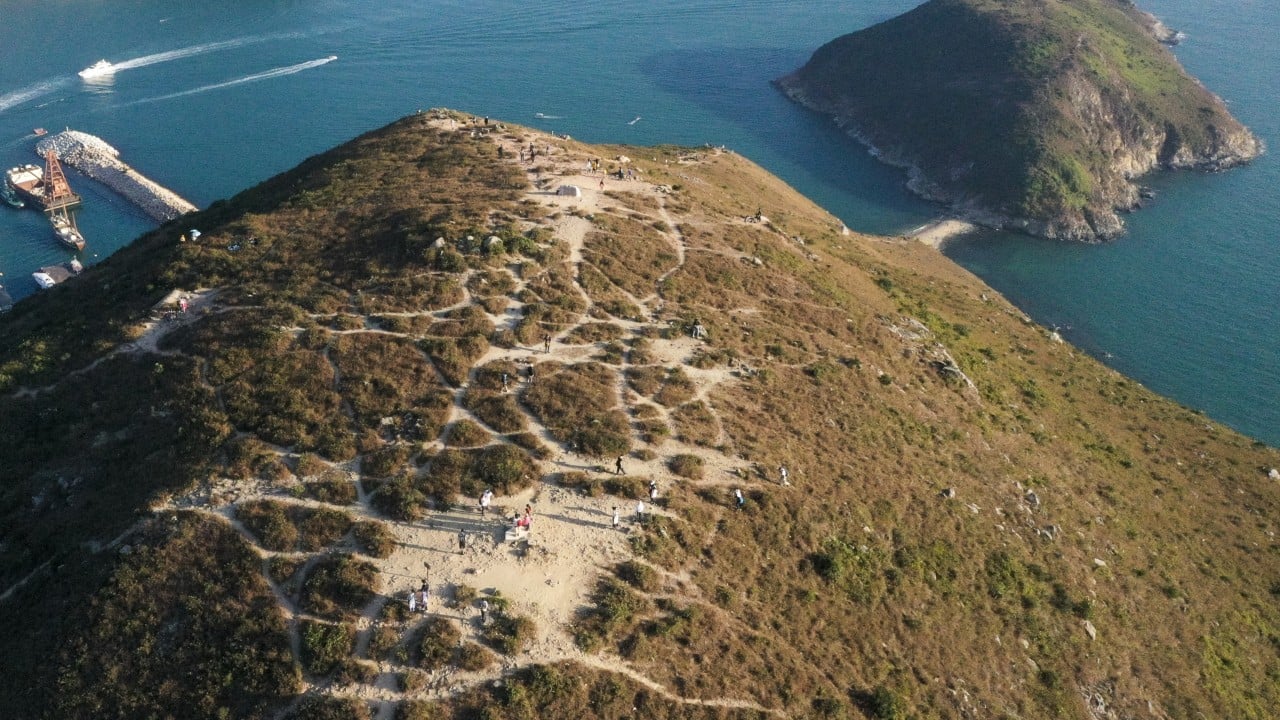
Every time a helicopter pulls an unprepared tourist off a Hong Kong peak, the media plays the same tired violin concerto. A headline drops about an elderly hiker airlifted to hospital after collapsing at a scenic spot, complete with hand-wringing over trail safety, calls for more warning signs, and breathless praise for the Government Flying Service.
Let us stop pretending this is a tragedy of infrastructure. It is a tragedy of coddling.
We have engineered the consequences right out of nature, and now we wonder why people treat rugged subtropical mountains like an outdoor theme park with a slightly steeper entry fee. When you treat every miscalculation as a systemic failure rather than a personal math error, you invite disaster. The lazy consensus says we need more rangers, better cell coverage on remote ridges, and rescue stations every five hundred meters. That approach does not save lives. It multiplies the body count by lowering the barrier to entry for people who belong on a treadmill in an air-conditioned mall, not scrambling up Lion Rock in July humidity.
I have spent decades watching outdoor recreation policy morph from a culture of self-reliance into an entitlement program. I have seen municipal authorities bow to public outcry, paving dirt tracks, installing handrails where a simple slip should teach a basic lesson in gravity, and treating every heat exhaustion case as a moral failing of the public works department.
Here is the fundamental truth nobody wants to print. Nature does not care about your heart condition, your bucket list, or your weekend wellness goals. When you step onto a trail, you enter an unmanaged jurisdiction where the penalty for ignorance is immediate and severe.
The Illusion of Safety Nets
The modern outdoor industry sells a dangerous lie. You buy lightweight gear, download an offline trail map, and convince yourself that you are an explorer. Then, the moment the thermometer hits thirty-five degrees Celsius and the humidity locks in at ninety percent, reality asserts itself. Dehydration sets in, electrolytes plummet, the heart rate spikes, and someone dials emergency services.
Within minutes, millions of dollars in public aviation assets, paramedic time, and hospital resources mobilize to hoist a weekend warrior off a hill because they misjudged their water intake.
The standard commentary focuses on emergency response times. We dissect whether the helicopter arrived in twenty minutes or thirty. We ask if there were enough signs warning about heatstroke. This is the wrong conversation entirely. The question we should be asking is why someone with no business being on an exposed ridgeline in peak summer heat felt entirely confident that society would bail them out of their own poor judgment.
When the safety net becomes too dense, it stops catching people and starts encouraging high-risk behavior. Economists call this moral hazard. Hikers call it a weekend hike. If you know a rescue helicopter is just a phone call away, you pack one bottle of water instead of three. You push past the point of exhaustion because you treat rescue as a delivery service rather than a last resort.
The Physiology of Hubris
Let us look at the medical reality behind these collapses. Heat exhaustion and cardiac events on trails like Dragon's Back or MacLehose Section Two are rarely sudden flukes. They are predictable biological outcomes.
Human thermoregulation fails when ambient temperature approaches skin temperature and humidity prevents sweat evaporation. In Hong Kong summers, the wet-bulb globe temperature regularly hits levels that make heavy exertion dangerous for anyone not thoroughly acclimatized.
Yet, weekend warriors step off the air-conditioned MTR train, walk straight into a wall of tropical heat, and attempt a five-hour climb. They treat hydration like an afterthought, sipping sport drinks loaded with sugar instead of managing electrolytes. When the core temperature rises and blood volume drops, the cardiovascular system goes into survival mode. Blood pressure craters, consciousness fades, and the hiker collapses.
To blame the trail for this is absurd. The trail is an inanimate collection of rocks and dirt. The failure belongs to a fitness culture that equates physical presence outdoors with capability. Walking three miles on a paved promenade does not prepare you for vertical humidity and exposed granite.
The Cost of Comfort
Who pays for this systemic coddling? The taxpayer and the mountain itself.
Every rescue mission puts flight crews at risk. Flying a twin-engine helicopter through turbulent mountain drafts, dodging power lines and communications towers to pluck an obstinate tourist off a cliff, is an inherently hazardous operation. We risk the lives of highly trained aviation professionals so someone could ignore a weather warning in pursuit of an Instagram photo.
Furthermore, the sanitization of wilderness to protect people from themselves destroys the very environment they claim to love. Paving trails, putting up massive steel safety barriers, and clear-cutting brush for emergency landing zones turns wild spaces into suburban parks. We are trading the raw, unforgiving beauty of nature for padded walls.
Admitting these hard truths exposes the downside of a contrarian approach. If we stop treating every hiker rescue as a heroic community event and start treating reckless endangerment with the financial and social friction it deserves, people will scream about elitism. They will argue that the mountains belong to everyone, regardless of preparation or physical fitness.
They do belong to everyone, in the same way the ocean belongs to everyone. That does not mean the Coast Guard should be your personal taxi service when you swim out too far without knowing how to tread water.
What Actually Works
If we want to stop the cycle of elderly hikers and unprepared tourists collapsing on scenic spots, we need to dismantle the current playbook.
First, introduce billing for avoidable rescues. If a hiker calls for help because they ignored clear heat warnings, ran out of water on a well-marked path, or attempted a difficult route without proper footwear, send them the bill. Make it hurt. Financial friction is the only deterrent that penetrates the modern illusion of infinite safety.
Second, stop publishing romanticized narratives of these rescues in the news. Frame them accurately. Call them what they are: avoidable extractions born of hubris and poor planning.
Third, let people experience the natural consequences of their choices within safe margins. A mild case of heat exhaustion treated by sitting in the shade with a salt tablet is a phenomenal teacher. An airlift short-circuits that learning process, ensuring the person will make the exact same mistake next weekend.
The mountains are not your gym, and they are not a tourist attraction designed to validate your weekend lifestyle choices. They are indifferent, ancient, and absolute. Respect that indifference, or stay home.