The nightmare scenario for American ranchers just got real. On June 8, 2026, the U.S. Department of Agriculture (USDA) confirmed two additional cases of the dreaded New World screwworm in Texas. This brings the total to four confirmed infections since the parasite made its first shocking appearance last week.
This isn't just a minor agricultural hiccup. It's a full-blown emergency. What makes these new cases terrifying is the geography. The first two cases popped up close together in South Texas. Now, the USDA has found infections hundreds of miles apart: a calf in La Salle County and a household dog in Andrews County, way up in West Texas near the New Mexico border. If you own cattle, horses, or even a backyard dog, you need to pay attention right now. The flesh-eating parasite we thought we beat 60 years ago is back, and it's moving fast.
The Flesh Eating Monster Explaining the Screwworm Threat
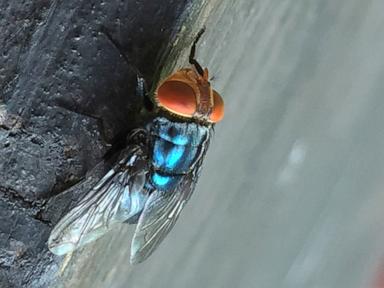
Most flies lay eggs in dead tissue. The New World screwworm fly is different, and much worse. It targets living, warm-blooded animals.
The female fly looks for any kind of break in the skin. It could be a tick bite, a barbed-wire scratch, a branding mark, or the fresh umbilical cord of a newborn calf. She lays a batch of 200 to 300 eggs inside or right next to that wound. Within half a day, those eggs hatch into aggressive larvae.
These maggots don't just sit on the surface. They use sharp, screw-like mouthparts to bore deep into the living muscle and flesh of the host. They literally eat the animal alive from the inside out. As they feed, the wound grows larger, emits a distinct foul odor, and attracts even more flies. If left untreated, a severe infestation can kill a full-grown cow or a healthy dog in less than 10 days through tissue destruction or secondary infections.
Inside the Texas Outbreak Data Points and Locations
We aren't dealing with an isolated farm anymore. Here is how the four confirmed cases shake out across the state as of June 8, 2026.
- Case 1 (June 3): A three-week-old calf in Zavala County, about 50 miles from the Mexico border. The maggots were discovered feeding around its unhealed umbilical area.
- Case 2 (June 5): Another young calf located just a few miles away from the first case in Zavala County.
- Case 3 (June 8): A calf in La Salle County, pushing the infection zone further southeast.
- Case 4 (June 8): A household dog in Andrews County, located in West Texas.
The Andrews County dog case is the wildcard that has biosecurity experts sweating. Early USDA reports show that this dog had recently been in Mexico. It traveled across the border, carrying the living parasites right past standard checkpoints. Texas Agriculture Commissioner Sid Miller pointed out a glaring vulnerability here, noting that if larvae dropped off that dog onto West Texas soil, the pest could easily establish a brand new foothold miles away from the primary containment zones.
The Politics of Biosecurity and the Radical Bait Debate
The sudden arrival of this pest has triggered a fierce battle over how to handle the crisis. The USDA is relying on its classic playbook: the Sterile Insect Technique.
The government breeds hundreds of millions of male screwworm flies and zaps them with radiation to make them sterile. Planes then drop these sterile flies over the affected zones. Because female screwworm flies only mate once in their entire lives, mating with a sterile male means she will produce zero offspring. This brilliant strategy successfully wiped out the pest in the U.S. back in 1966 and kept it trapped at a biological barrier in Panama for decades.
But that barrier failed in late 2024. The pest marched through Central America, up through Mexico, and is now on American dirt.
Texas officials are losing patience with the federal timeline. Commissioner Sid Miller argues that building factories and waiting for millions of sterile flies to take effect is too slow. He's publicly pushing for a aggressive alternative: chemical poison bait. Miller claims poison bait could wipe out the local screwworm population in a few months.
The federal government and independent entomologists are fiercely resisting that plan. The USDA notes that these toxic baits are unproven for large-scale eradication and pose massive risks. They don't just kill screwworm flies; they kill beneficial insects, risk poisoning local wildlife, and can even endanger domestic pets and humans who stumble across the bait stations.
Economic Dominoes and Your Dinner Table
The stakes couldn't be higher for the American livestock industry. Texas alone boasts a $17 billion cattle economy. If this parasite spreads out of control, the financial damage will be catastrophic. Estimates suggest a widespread outbreak could inflict more than $1.8 billion in economic losses on Texas alone.
We are already seeing international fallout. Just days after the first Texas case was confirmed, Canada slapped a temporary ban on all imports of Texas cattle, horses, and livestock. Other trading partners might follow suit if the USDA can't prove containment.
The only silver lining right now is for the consumer. Agriculture Secretary Brooke Rollins has repeatedly emphasized that the food supply is entirely safe. Screwworms only infest living tissue; they do not impact meat processing, and rigorous inspections mean zero affected animals ever enter the food chain. Beef prices are already high due to a general cattle shortage, but this specific outbreak hasn't shifted supermarket prices yet.
What Animal Owners Must Do Right Now
You can't sit back and assume the government will spray your problems away. If you own animals in Texas or neighboring states, you are the first line of defense.
Start by inspecting every single animal daily. Look closely at natural body openings like ears, eyes, noses, and genitals, as well as any fresh cuts or scratches. Watch out for wounds that seem to be getting larger instead of healing, look for watery or foul-smelling discharge, and check for visible clusters of tiny white eggs or moving maggots. Behavioral clues are just as vital. If a horse or cow is constantly biting, kicking, or scratching at a specific spot, or showing sudden signs of intense discomfort and lethargy, rope them and check the skin.
Manage wounds aggressively. Delay optional procedures like dehorning, branding, or castrating until the winter months when fly activity drops. If an animal gets a cut, treat it immediately with a topical antiseptic and a fly-repellent wound dressing.
Keep a tight grip on animal movement. If you're in or near the 12-mile quarantine zones established around the Zavala, La Salle, or Andrews county cases, don't move a single warm-blooded animal off your property without an official veterinary inspection.
If you find something crawling in a wound, don't just hose it out and ignore it. Use tweezers to collect a few of the maggots, place them in a small container filled with rubbing alcohol to preserve them, and immediately call your local veterinarian or the Texas Animal Health Commission. Quick reporting is the only way to stop a localized infestation from turning into a nationwide disaster.