Every headline in energy commentary right now treats an overland crude pipeline from Russia to New Delhi like an inevitable geopolitical stroke of genius. The lazy consensus is simple: bypass maritime chokepoints, dodge Western maritime insurance restrictions, lock in cheap Ural barrels forever, and secure India's energy future for decades.
It sounds tidy on a PowerPoint slide. It falls apart the second you look at a topographical map, basic economics, and the brutal reality of pipeline politics. Recently making news recently: Why Rakuten Is Betting Big on German Defense Drones in Japan.
I have spent years watching consultants and desk analysts drool over massive cross-border infrastructure projects that look brilliant until the concrete hits the dirt. This overland oil route is not an energy security masterstroke. It is a logistical, financial, and sovereign nightmare that ignores every hard lesson learned from Eurasian energy corridors over the last thirty years.
The Geography Delusion
Let us address the physical reality that every optimist conveniently forgets. To pump crude from West Siberia or Russia's northern fields directly into the Indian market, you have to cross the highest mountains on the planet. Additional insights on this are detailed by Harvard Business Review.
We are talking about threading a high-capacity, pressurized hydrocarbon artery across the Himalayas or navigating miles of high-altitude terrain through Central Asia, Afghanistan, or unstable border regions in Pakistan and western China. The engineering challenges dwarf anything Gazprom or Rosneft has ever attempted. Maintaining flow through sub-zero mountain passes where seismic activity is a daily occurrence requires astronomical capital expenditure.
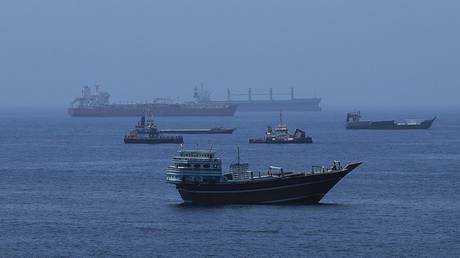
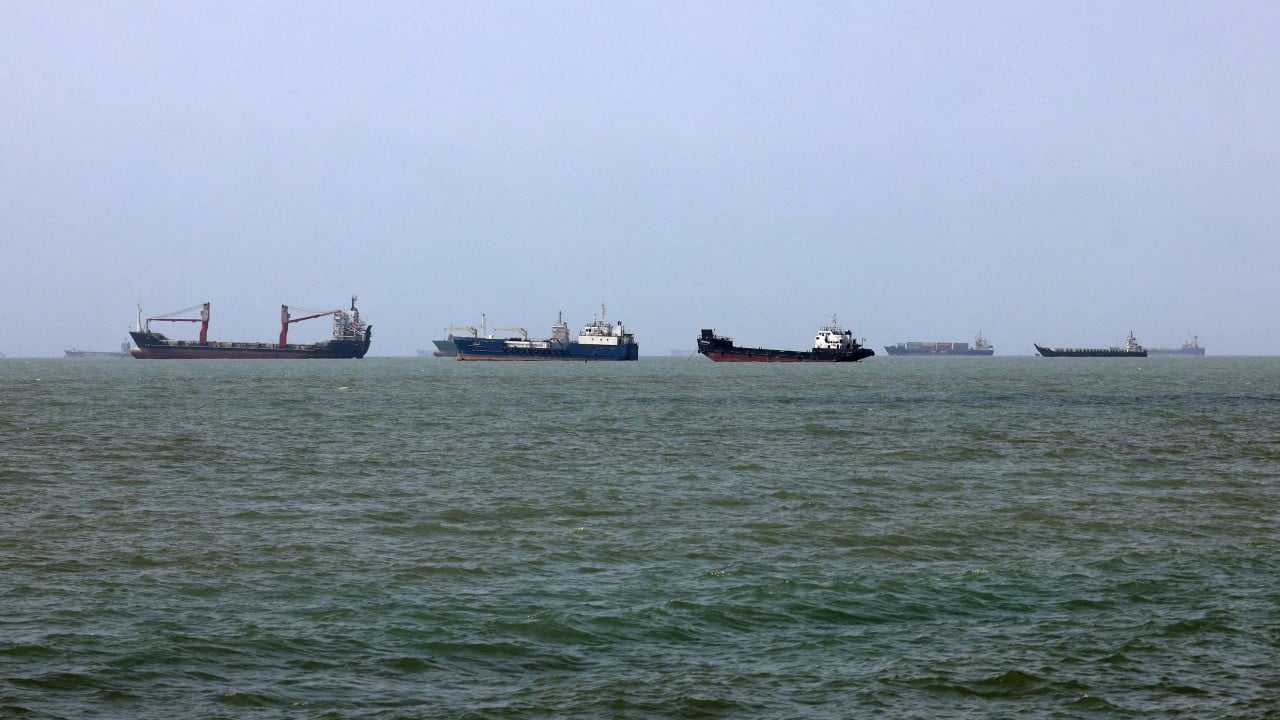
When you factor in the terrain, the cost per barrel-mile spirals out of control. Maritime shipping is volatile, yes. Tankers face insurance hurdles, Houthi drones, and naval patrols. But a supertanker can reroute around a conflict zone in forty-eight hours. A pipeline fixed to a jagged mountain pass cannot dodge a geopolitical dispute, an insurgency, or a regional border skirmish.
Sanctions Do Not Stop At The Border
The conventional narrative assumes that moving oil onto land creates an invisible forcefield against Western secondary sanctions. That logic belongs in 2014.
Washington and Brussels do not need to interdict a tanker in the middle of the Indian Ocean to strangle a multi-billion-dollar transnational pipeline. They control the global financial plumbing, the high-end steel mills capable of manufacturing specialized sour-crude transmission pipe, and the proprietary SCADA software required to run automated pumping stations.
If a consortium attempts to build a multi-thousand-kilometer pipeline across sovereign borders without Western-compliant financing and technology, the project stalls before the trenching even begins. Russia cannot self-finance a project of this scale alone, and India's state refiners are deeply integrated into global capital markets. They cannot afford to become pariahs over a speculative overland pipe that might get shut off by a stroke of a pen in three different capitals before the first valve is turned.
The Choke Point Fallacy
Why do energy analysts obsess over maritime routes? Because of the Strait of Malacca and the Bab-el-Mandeb. They treat maritime transit as a fatal vulnerability.
Tanker logistics are flexible. If the Bab-el-Mandeb gets hot, ships go around the Cape of Good Hope. It adds days and dollars, but the crude still moves.
An overland pipeline replaces a flexible, multi-path maritime network with a single, highly concentrated point of failure. If a hostile actor or a local militia blows up a compressor station in an intervening transit country, Indian refiners lose one hundred percent of that supply stream instantly. There are no alternative routes. There is no spot market to tap on short notice. You are entirely at the mercy of every single government your pipe happens to cross.
The Real Energy Security Play
India does not need a Siberian pipe. Indian refiners like Reliance and Nayara, alongside state giants like IOCL and BPCL, have already written the playbook on how to handle discounted barrels without locking themselves into a concrete cage.
They use agile spot contracting, shadow fleets, and a diversified supplier base that pits Middle Eastern producers against Russian maritime exports and American shale. Flexibility is the only true form of energy security in a fractured multipolar world.
Locking your national refining complex into a fixed, monopolistic overland supply corridor with a single supplier is not security. It is hostage-taking with extra steps.
Stop looking for the magic bullet across the mountains. The future belongs to those who can pivot, re-route, and adapt at sea, not those who tie themselves to a pipe that can be switched off by anyone holding a detonator or a diplomatic grievance along the way.