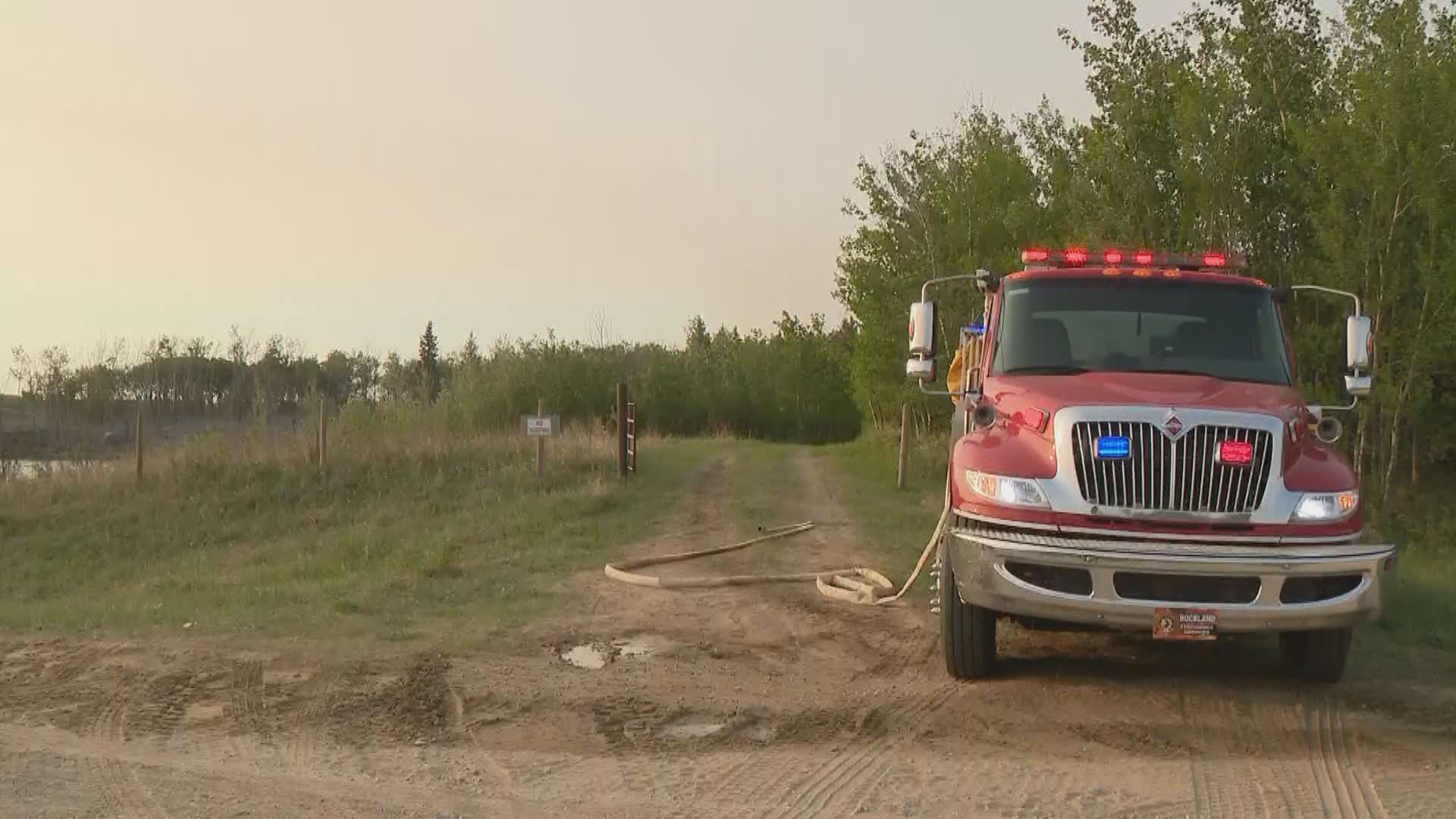
Saskatchewan is heading into the 2026 fire season with a massive target on its back. After the 2025 nightmare that saw three million hectares charred and 50 communities running for their lives, the Saskatchewan Public Safety Agency (SPSA) is claiming they're "more prepared than ever." It's a bold line. Honestly, it has to be. When you're coming off a year that required help from Mexico and Australia just to keep the province from turning into a total charcoal pit, you can't afford to be timid.
The agency isn't just talking about buying better gear. They're changing the clock. This year, the SPSA started hiring seasonal staff in December—a full month earlier than usual. They've spent the winter thinning forests and carving fire guards around high-risk towns. It’s proactive, sure. But will it be enough?
The High Stakes of the 2026 Forecast
The weather isn't doing anyone any favors. While the north and central parts of the province have a decent snowpack that might buy some time, the south is looking like a tinderbox. We had a dry, warm winter down there. Basically no snow. If we get a hot spring, that grass is going to ignite the moment a spark hits it.
Environment and Climate Change Canada is already flagging 2026 as one of the hottest years on record. We're looking at temperatures potentially $1.35^\circ\text{C}$ to $1.53^\circ\text{C}$ above pre-industrial levels. That isn't just a statistic; it’s a recipe for fast-moving fires that jump roads and defy traditional containment.
Why the Fleet Matters
You can't fight a three-million-hectare problem with just shovels. The SPSA is leaning heavily on its aerial game. The 2026 fleet includes:
- Three Convair CD 580s
- One Q400 air tanker
- Six water-scooping aircraft
- Seven Bird Dog planes
There's a slight catch, though. Two of the water-scooping 215T planes are sidelined for repairs and won't be ready until mid-season. The SPSA says it won't hurt their response time, but it's a gap you don't want when the wind starts picking up in May. To cover some of the slack, they've added another contracted helicopter, bringing the total to eight.
More Money Doesn't Mean Fewer Fires
The provincial budget just dropped an extra $20 million into the SPSA’s lap, bringing the total to $140 million. A big chunk of that is tied up in a four-year plan to buy four more land-based airtankers. It's a solid investment, but critics are pointing out that suppression is just one side of the coin.
The Prince Albert Grand Council (PAGC) has been vocal about this. They're happy about the tax credit for volunteer first responders doubling to $6,000, but they're pushing for more focus on the people who actually live on the land. Northern communities have the local knowledge that a satellite map just can't replicate. The SPSA seems to be listening—they’ve got over 100 crew members from the PAGC working on mitigation right now.
The Real Risks Nobody Mentions
Everyone focuses on the big wall of flames, but the real killers are the "holdover" fires. These things smolder underground in peat and root systems all winter. They're invisible. Then the snow melts, the wind hits a certain speed, and suddenly the ground is screaming.
The SPSA has 42 fire detection towers across the province. Training for those observers is starting right now. These towers are the front line for catching those "zombie fires" before they turn into 100,000-hectare monsters.
What You Need to Do Now
If you live in a high-risk area, waiting for the smoke to appear is a losing strategy.
- Clear your zone. Get 30 feet of defensible space around your home. That means clearing dead grass, brush, and low-hanging branches.
- Check the ratings. Stop ignoring the fire danger signs on the highway. Use sites like FireSmoke.ca to track air quality and active blazes.
- Have a "Go Bag" ready. 2025 proved that evacuations happen fast. If you're waiting to pack until the RCMP knocks on your door, you've already lost.
The province is throwing money, planes, and early hires at the problem. It's a massive effort. But in a year that's predicted to break heat records, the real test is going to be how fast we can react when the first lightning strike hits a dry patch of southern grass. Saskatchewan is ready, but nature doesn't care about a budget increase.