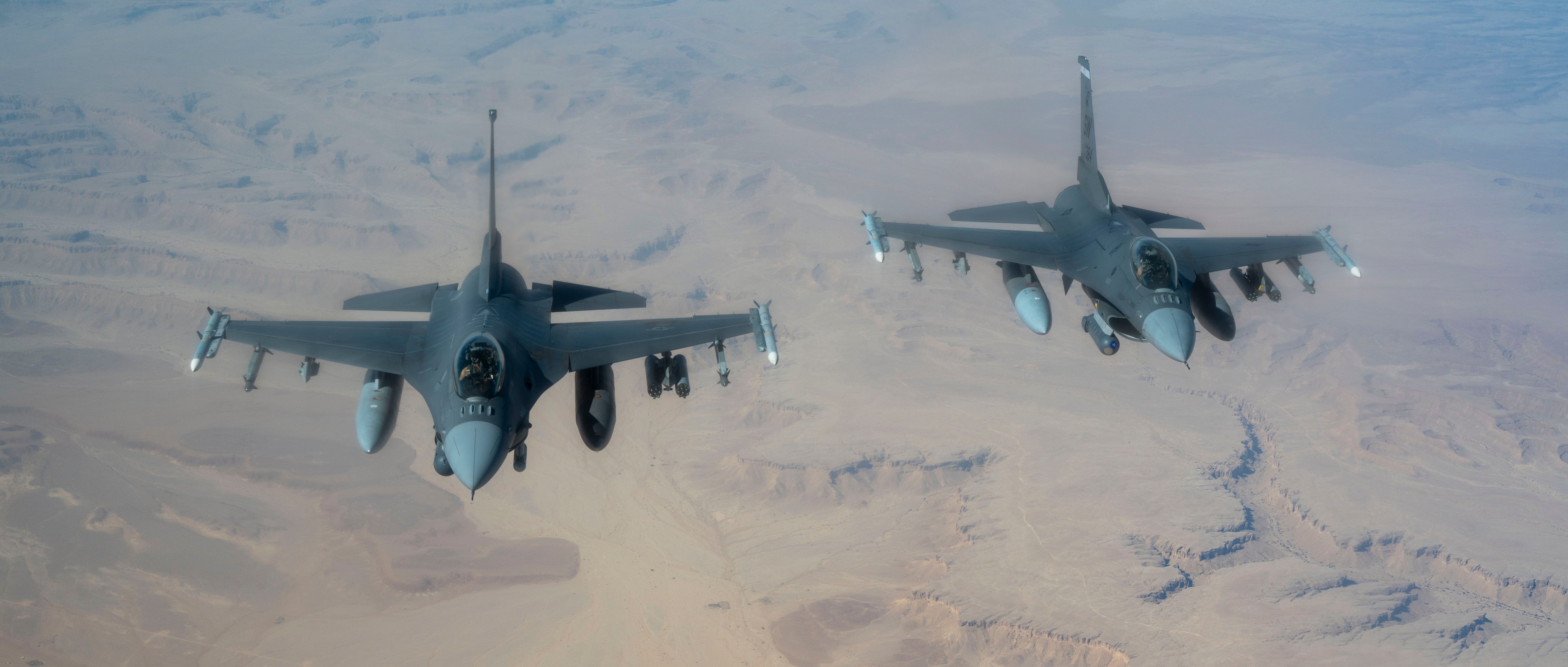
When a Romanian F-16 pilot strafed and blew up an explosives-laden marine drone idling a few hundred meters from the Neptun Deep gas platform, the mainstream defense establishment popped champagne. Brussels cried hybrid warfare. Bucharest took a bow. Everyone patted themselves on the back for protecting Europe's future energy crown jewel.
It was absolute theater.
If you think sending multi-million dollar supersonic fighter jets to shoot at floating bath toys in the open sea solves the Black Sea security crisis, you understand hydrodynamics about as well as a medieval peasant understands quantum mechanics.
The Current Consensus Is Built On Pure Delusion
The lazy narrative bouncing around newsrooms right now goes like this: unguided maritime drift brings foreign explosives near critical infrastructure; quick-thinking NATO allies scramble jets; precision air power saves the day.
I have watched companies and defense ministries blow millions of euros on shiny hardware fixes that treat symptoms while ignoring structural math.
Let us look at the physical reality of the western Black Sea. The Danube discharge, combined with persistent cyclonic gyres, creates predictable surface current vectors heading straight down the Romanian exclusive economic zone. A derelict or unmoored hull does not magically hover near an offshore platform by choice. It follows fluid dynamics.
When defense ministers treat every drifting hull as an intentional targeted strike requiring an F-16 cannon response, they fall straight into the psychological trap of asymmetric warfare. You are spending thousands of gallons of aviation fuel and utilizing high-wear airframes to destroy cheap fiberglass and commercial outboard motors. If an adversary wants to bankrupt your defensive patience, all they have to do is drop weighted dummy hulls into the current upstream and watch your air force burn its flight hours.
The Real Vulnerability Is Not On The Surface
Define your terms. Critical infrastructure defense is not about tactical target practice with an onboard 20mm cannon. It is about persistent subsea domain awareness.
The media loves the cinematic flash of a fighter jet screaming over whitecaps. It looks great on social media feeds. But an explosive marine drone drifting on the surface is the least dangerous iteration of modern naval disruption. The real threat to the OMV Petrom and Romgaz Neptun Deep project sits fifty meters underwater, completely invisible to an F-16 pilot pulling Gs overhead.
Imagine a scenario where an unflagged submersible loitering device drops a magnetic acoustic trigger mine onto the subsea wellhead infrastructure months before any surface drone ever drifts past. Your fighter jet could strafe the surface until doomsday, and you would still wake up to a multi-billion-dollar gas leak on the seabed.
Relying on commercial cargo vessels to spot floating hazards at 6:28 in the morning is not a defense strategy. It is an early-warning system based on pure luck.
Stop Weaponizing Air Superiority For Maritime Garbage
The lazy consensus asks: How do we beef up air patrols along the eastern flank to intercept incoming threats?
The question is entirely flawed. You cannot patrol a liquid border with airborne assets designed for dogfights.
If Bucharest and NATO actually want to secure the 2027 production target that makes Romania the European Union's largest gas producer, they need to stop treating the Black Sea like an extension of the Ukrainian airspace front. They need a boring, unsexy layer of stationary acoustic arrays, tethered surface interceptor barriers, and autonomous underwater vehicle patrols that operate below the wave action.
You do not protect a gas valve with an airplane. You protect it by controlling the water column.
Until the defense ministries swap their aviation fetish for actual subsea engineering defense, every victory lap over a blown-up drone is just whistling past the graveyard.