Midnight in Islamabad does not sleep; it watches. On a damp road cutting toward the Pakistan Institute of Medical Sciences, a convoy moved with calculated stealth. Inside a cramped vehicle sat Dr. Uzma Khan, summoned hours earlier from the suffocating anxiety of waiting. She had not laid eyes on her brother, the former prime minister of Pakistan, Imran Khan, in ten agonizing months.
When the doors finally opened at the state-run hospital, the reality inside was stripped of all dignity. The corridors were unlit. The movement was guided solely by the cold, harsh glare of a mobile phone flashlight cutting through blackness. If you enjoyed this post, you might want to look at: this related article.
"Walk slowly," Uzma whispered to him, her voice fracturing as tears welled in her eyes.
There he stood. A man once greeted by roaring sea-like stadiums of millions now navigating a dark hallway guided by an LED phone screen, a white medical patch masking his right eye. For another angle on this event, check out the recent coverage from TIME.
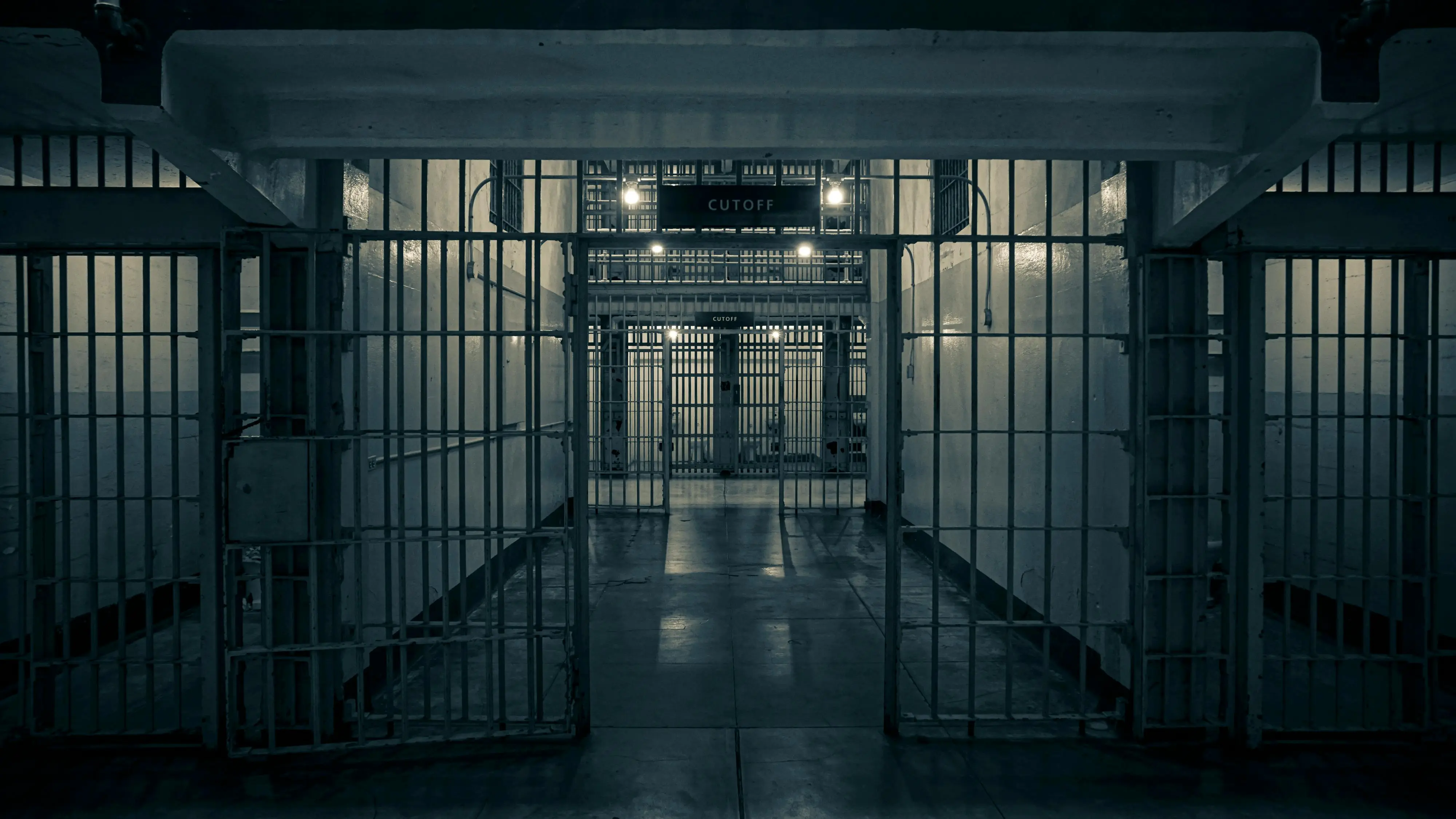
To understand what is happening inside Adiala Jail, one must look past the dry language of state press releases and court docket numbers. This is a study in isolation. Since his initial arrest in August 2023, Imran Khan has inhabited a silent universe. According to accounts brought to light by his family and legal teams, his daily existence is defined by total confinement—locked away with restricted human contact, stripped of television, and denied access to books or regular reading material.
Consider the psychological weight of ten months without a casual conversation. Silence becomes a physical pressure. It presses against the eardrums. It warps time. When Uzma finally reached him during that chaotic midnight hospital transfer, Imran’s immediate reaction was pure astonishment. He looked at the medical personnel surrounding him and pointed out the obvious, stating with a mixture of shock and exhaustion that this was his sister, whom he was seeing after nearly a year.
The friction between the state and the family centers on a battle of narratives and medical directives. The Supreme Court had explicitly ordered that the 73-year-old former leader be transferred to the private Shifa International Hospital for comprehensive evaluations by a specialized medical board, including his personal physician, Dr. Faisal Sultan. Instead, authorities diverted the convoy to the public Pakistan Institute of Medical Sciences (PIMS) under the cover of night, citing security concerns related to party supporters gathering along the intended routes.
Dr. Faisal Sultan spent hours waiting at Shifa International Hospital in the dark, entirely cut off from communication, before realizing his patient would never arrive. Meanwhile, inside PIMS, the examination was brief. Doctors checked blood pressure readings, administered an injection to one eye, and applied a bandage. Government officials, including Information Minister Attaullah Tarar, later maintained that Khan was declared medically fit, noting that his blood pressure sat at a normal 120/80 and that his eye condition—stemming from a complication known as central retinal vein occlusion—was improving after previous treatments.
The state insists the detention conditions are regulated and humane, pointing to a compound equipped with proper sanitation, routine access to family and legal counsel, and food choices tailored to a healthy diet. Yet, the family's perspective paints a starkly different portrait of psychological strain. Uzma argued that the environment inside his cell amounts to a form of mental torture far heavier than physical ailments—a quiet wearing down of the human spirit behind heavy iron bars.
The grey area between these opposing claims exposes the fragile state of political transitions in the country. When a nation's former leader is shuttled between facilities in the dead of night, public trust fractures. Every closed door breeds speculation. Every diverted convoy triggers accusations of contempt and defiance of judicial authority.
The clock ticks toward the next scheduled court hearing. Outside the prison walls, supporters wait and watch, while inside, the lights go down on another day of solitary confinement.