The sun was still low over Northwest London when the metal shutters of the local shops began to rattle upward, a rhythmic mechanical clatter that usually signals the start of a mundane Saturday. In Stanmore, that sound is part of the neighborhood’s heartbeat. It is a place of leafy streets, suburban quietude, and a long-standing Jewish community that has called these avenues home for generations. But on this particular morning, the rhythm broke. The air didn’t fill with the smell of morning coffee or the sound of car engines. It filled with a scream.
Two men, one in his 60s and one in his 30s, were walking near a local synagogue. They weren't political figures. They weren't symbols. They were simply neighbors walking through the world they knew. Then the world fractured. A man armed with a knife moved with a sudden, jagged violence that defied the peaceful backdrop of the morning. In seconds, the concrete was stained. The attacker fled, leaving behind a community paralyzed by the sudden realization that the walls they thought protected them were made of glass.
The Weight of the Word
When a crime occurs, we often wait for the official label to drop. We look at the police briefings and the news tickers, waiting for the transition from "isolated incident" to something heavier. For hours, the investigation hummed in the background. But as the Counter Terrorism Command took the lead, the atmosphere shifted. On Sunday, the Metropolitan Police officially declared the stabbing a terrorist attack.
That word—terrorism—changes the chemistry of a tragedy. It suggests that the blade wasn't just aimed at the flesh of two individuals, but at the identity of an entire people. It implies a motive rooted in a dark, ideological soil. For the Jewish community in London, this isn't an abstract legal classification. It is a confirmation of a fear that has been humming at a low frequency for months, a vibration felt every time a door is locked or a child is walked to school.
Consider a hypothetical resident named Elias. Elias has lived in Stanmore for forty years. He knows which paving stones are loose and which neighbors leave their holiday lights up too long. To Elias, the declaration of a terrorist attack near his place of worship isn't just a headline. It is the sound of a heavy curtain falling. It means the "what ifs" that he tucked away in the back of his mind have stepped out into the light. It means the walk to the synagogue, once a path of meditation, is now a tactical exercise in awareness.
The Invisible Ripples
The physical wounds of the victims, while serious, were fortunately not life-threatening. They will heal. Stitches will be removed, and the bruises will fade into scars. But the psychological impact of a targeted attack in a suburban sanctuary has a much longer half-life.
Terrorism functions through the medium of the witness. It is a crime designed to be seen, to be felt by those who weren't even there. When an attack happens near a synagogue, every Jewish person in the country feels a phantom pain. They look at the news and see their own faces, their own fathers, their own sons. The stakes are invisible because they reside in the collective nervous system of a community.
Statistics tell a part of the story, but they are often too cold to capture the heat of the moment. We know that antisemitic incidents have spiked globally, hitting record highs in many urban centers. In London, the numbers have moved like a fever chart, climbing steadily as international tensions spill over into local streets. Yet, a statistic is just a number on a page. The reality is the way a mother in Stanmore grips her stroller a little tighter when a stranger walks too close. It is the way a young man decides to tuck his Star of David necklace under his shirt before boarding the Tube.
Logic would suggest that a single attacker, now in custody, no longer poses a threat. But the logic of fear doesn't work that way. The arrest of a 21-year-old suspect provides a sense of justice, but it doesn't immediately restore a sense of peace. The "why" matters as much as the "who." If the motive is indeed rooted in hate, then the threat isn't just a person; it's an idea. And you cannot put an idea in handcuffs.
The Architecture of Resilience
Metropolitan Police Assistant Commissioner Matt Jukes spoke to the press with the measured, somber tone of a man who has seen this script play out too many times. He spoke of increased patrols and the deployment of specialist officers. He spoke of the need for vigilance. This is the official response—the hardening of the target.
But there is another response happening in the living rooms and community centers of Northwest London. It is a quieter, more stubborn form of resilience. It’s the decision to open the synagogue doors the next day. It’s the neighbors, regardless of their own faith, who showed up at the police cordon with flowers or simply a hand on a shoulder.
There is a profound vulnerability in admitting that the world is scarier today than it was yesterday. It is okay to be afraid. In fact, ignoring the fear is a form of dishonesty that only makes the trauma deeper. The Jewish community in the UK is currently navigating a landscape where the familiar has become fraught. The geography of their lives—the shops, the parks, the houses of prayer—is being remapped by the threat of violence.
The real problem lies in the erosion of the "common ground." When a neighborhood becomes a crime scene for a terrorist act, the boundaries between global politics and local life vanish. A conflict thousands of miles away suddenly has a physical presence on a sidewalk in London. This blurring of lines is the primary goal of those who seek to divide. They want the resident of Stanmore to see their neighbor not as a friend, but as a representative of a side.
The Echo in the Silence
As the forensic teams packed up their kits and the yellow tape was finally cut away, the street in Stanmore returned to its physical state. The shops reopened. The cars began to circulate again. But the silence that followed was different. It wasn't the peaceful silence of a Saturday morning. It was a watchful silence.
We often talk about "moving on" or "returning to normal" after such events. But "normal" is a relative term. For the two men who were attacked, normal is now a distant shore they are trying to swim back to. For the community, normal has been recalibrated.
The invisible stakes of this event aren't found in the court documents or the police files. They are found in the eyes of the people who will walk past that spot tomorrow. They will look at the ground, and even though the stains are gone, they will see the memory of what happened. They will feel the weight of the word the police used.
It is a reminder that peace is not a static state. It is a fragile agreement we make with one another every day. When that agreement is broken by a knife in the morning light, the repair work takes more than just a few more police officers on the beat. It takes a refusal to let the shadow of one man's hate darken the doors of a thousand homes.
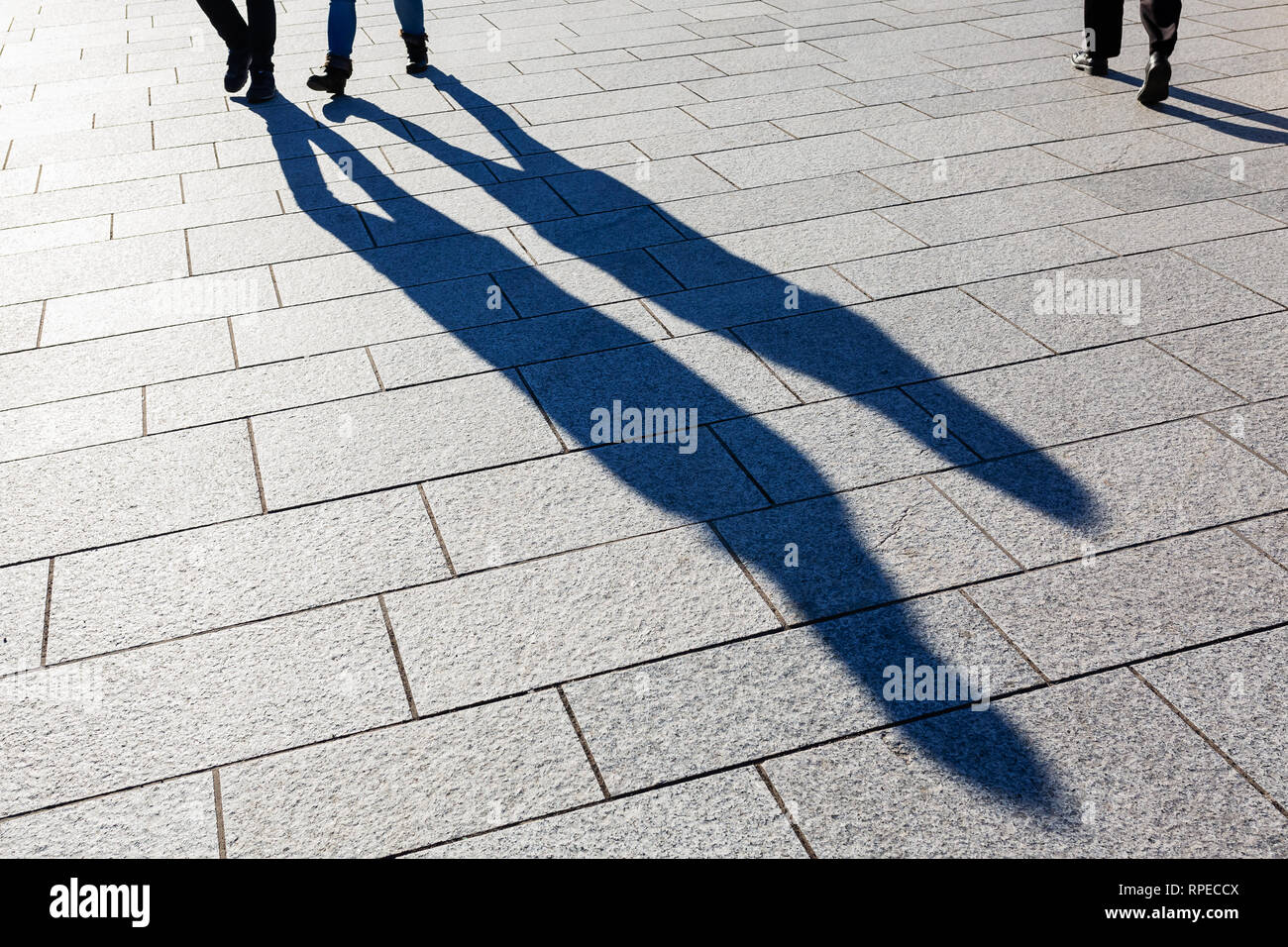
The sun sets over the rooftops of Stanmore, casting long, thin shadows across the pavement where the world changed for two men. The lights in the windows begin to flicker on, one by one, a defiant constellation against the gathering dark.